Live Bait Care: How to Keep Minnows, Shiners & Worms Alive
A dozen shiners can be the difference between a limit and a skunk — if they're still alive when they hit the water. Most anglers don't lose fish because they picked the wrong bait; they lose them because the bait was dead before it ever made it to the hook.
Live bait care is simpler than most people think. It comes down to three things: oxygen, temperature, and clean water. Get those right and minnows will live for days, worms for weeks, and leeches for months. Get them wrong and a five-dollar bucket of bait is belly-up before you reach the ramp.
This guide covers the full arc of keeping live bait fresh — from the tackle shop cooler to the live well on your boat — for the baits American anglers actually use: fathead minnows, golden shiners, nightcrawlers, leeches, crawfish, crickets, hellgrammites, plus saltwater baits like shrimp and sandworms.
If you're brand new to fishing, our beginner's guide to fishing covers the gear side; this one is about the bait.
Why Live Bait Dies: The Three Killers
Every live bait failure traces back to one of three causes, and knowing them beats memorizing bait-specific tricks.
Oxygen. Baitfish breathe dissolved oxygen out of the water, just like the fish you're trying to catch. A crowded bucket of shiners can exhaust the oxygen in minutes on a hot day. That's why every bait bucket and live well needs aeration — either a battery-powered aerator or a recirculating pump.
Temperature. Warm water holds less oxygen and speeds up a baitfish's metabolism, so it burns oxygen faster and produces waste faster. This is the double whammy: heat both starves and poisons bait. Keeping bait cool — 45 to 60°F is the sweet spot for most baitfish — slows the whole process down dramatically.
Ammonia. Fish excrete ammonia through their gills, and it's toxic to them at surprisingly low levels. In a closed bucket with no water exchange, ammonia builds up fast and poisons the bait. This is why water changes matter just as much as aeration, and why overfeeding bait in a bucket is a death sentence — uneaten food rots and adds more ammonia.
The rule that follows: keep bait cool, keep water moving, and change the water. Everything else is detail.
The Live Bait Bucket: Your First Line of Defense
A good live bait bucket is the cheapest insurance in fishing. The classic round plastic bait bucket with a snap lid works, but the insulated versions are worth the extra few dollars.
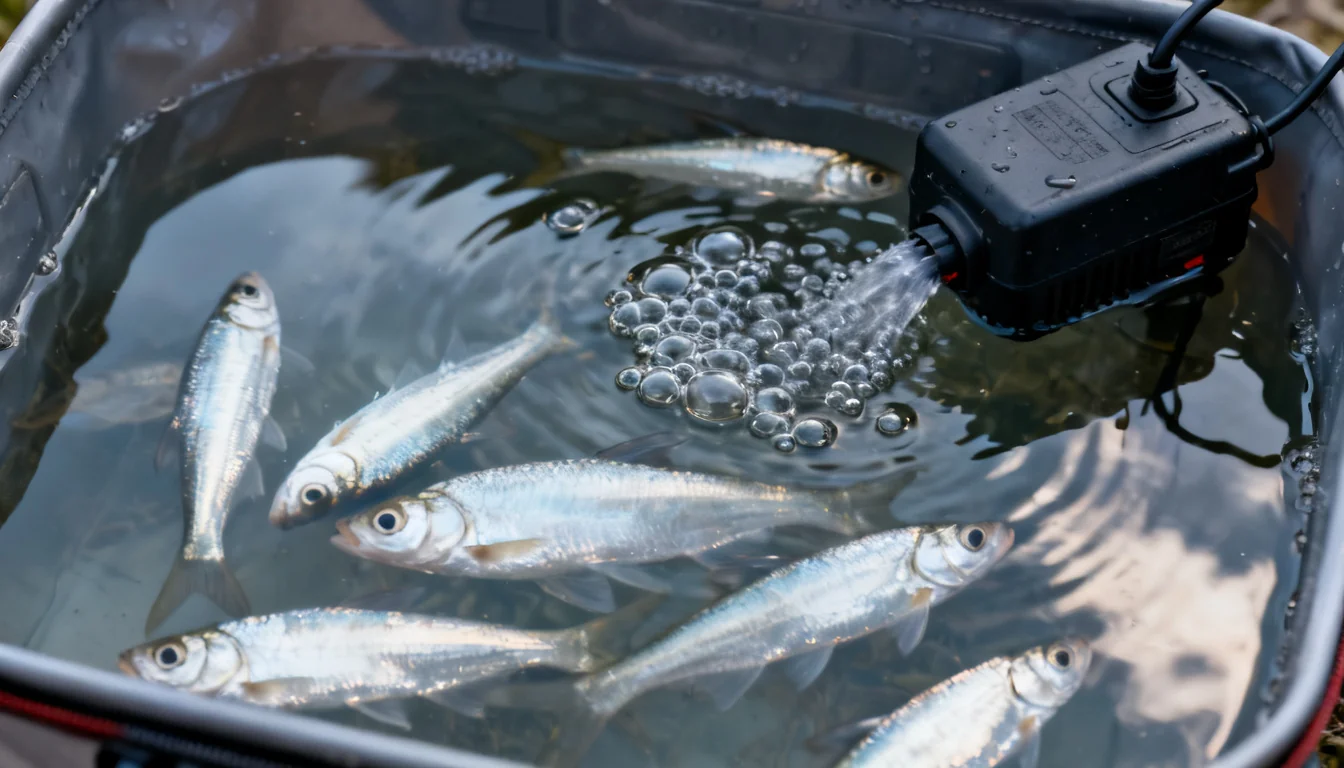
What makes a bucket worth buying:
- Insulation keeps the water cool longer on a summer day — a plain bucket heats up in twenty minutes of sun.
- A wide mouth lets you reach in for a minnow without dumping half the water.
- A lid with a gap or air holes keeps bait from jumping out while letting air in.
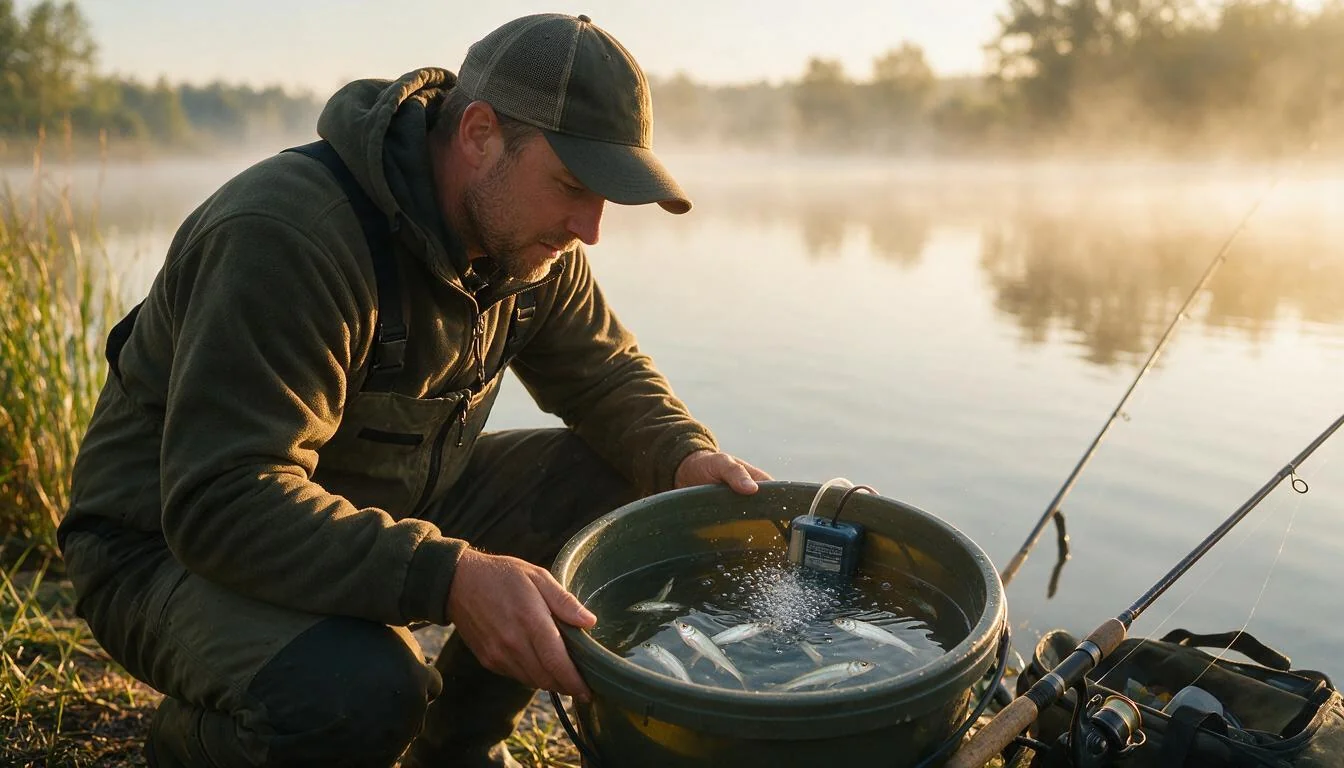
- A battery-powered aerator is the single best upgrade you can buy. Small aerators run for hours on a couple of AA batteries and keep minnows alive through a full day on the bank.
Set the bucket up before you leave for the water: fill it with cool water, add the aerator, and let it run. Well water or spring water is ideal — tap water contains chlorine and chloramine that are toxic to baitfish.
Sitting tap water overnight removes chlorine, but many municipal systems now use chloramine, which does not evaporate — a dechlorinator from the tackle shop is the safe fix either way.
Keeping Minnows Alive: Shiners, Fatheads & Water Changes
Minnows are the backbone of live bait fishing for crappie, walleye, and bass, and they're also the easiest bait to kill by accident. The good news: fathead minnows are tough, and even golden shiners will cooperate if you give them four things. If you're fishing for crappie on minnows, this is the section that keeps your bucket full.
Crowding is the silent killer. The number one mistake is piling two dozen shiners into a quart of water. A rough rule: a standard five-gallon bucket holds about two dozen minnows comfortably. If the water looks crowded, it is. Dead bait in the bucket is also a poison source — remove dead minnows the moment you see them.
Temperature management. Minnows do best kept cool. On a hot day, add a sealed bottle of frozen water to the bucket — never loose ice, because melting ice dilutes the water, drops it too fast, and the chlorine in ice from tap water hurts bait. Floating a sealed freezer pack or a frozen water bottle keeps the bucket in the 50s without shocking the fish.
Water changes. Change a third to half of the bucket water every few hours on hot days, or every morning and evening on multi-day trips. Use cool water from the same source. If you're fishing, water from the lake itself is perfect — it matches the temperature of the water the bait will be dropped into, which cuts the shock when you hook a shiner through the back and cast it out.
Feeding (or not). Bait that's about to be fished doesn't need food. Feeding a bucket of minnows produces ammonia and dirties the water. If you're holding bait for more than a couple of days, feed sparingly — a pinch of flake food or a sprinkle of fish meal — and change the water after.
Golden shiners are the delicate ones: they're bigger, more active, and quicker to stress than fatheads, and they need more oxygen and more room.
If the shop tells you the batch is "tender," treat them accordingly: fewer per bucket, cooler water, gentler handling. Shiners are the classic bass bait, and a big one deserves the same care you'd give a prized lure.
Keeping Worms Fresh
Nightcrawlers and red wigglers are easier than minnows because they don't swim in water — they need a moist, cool environment with air, not a bucket of water.
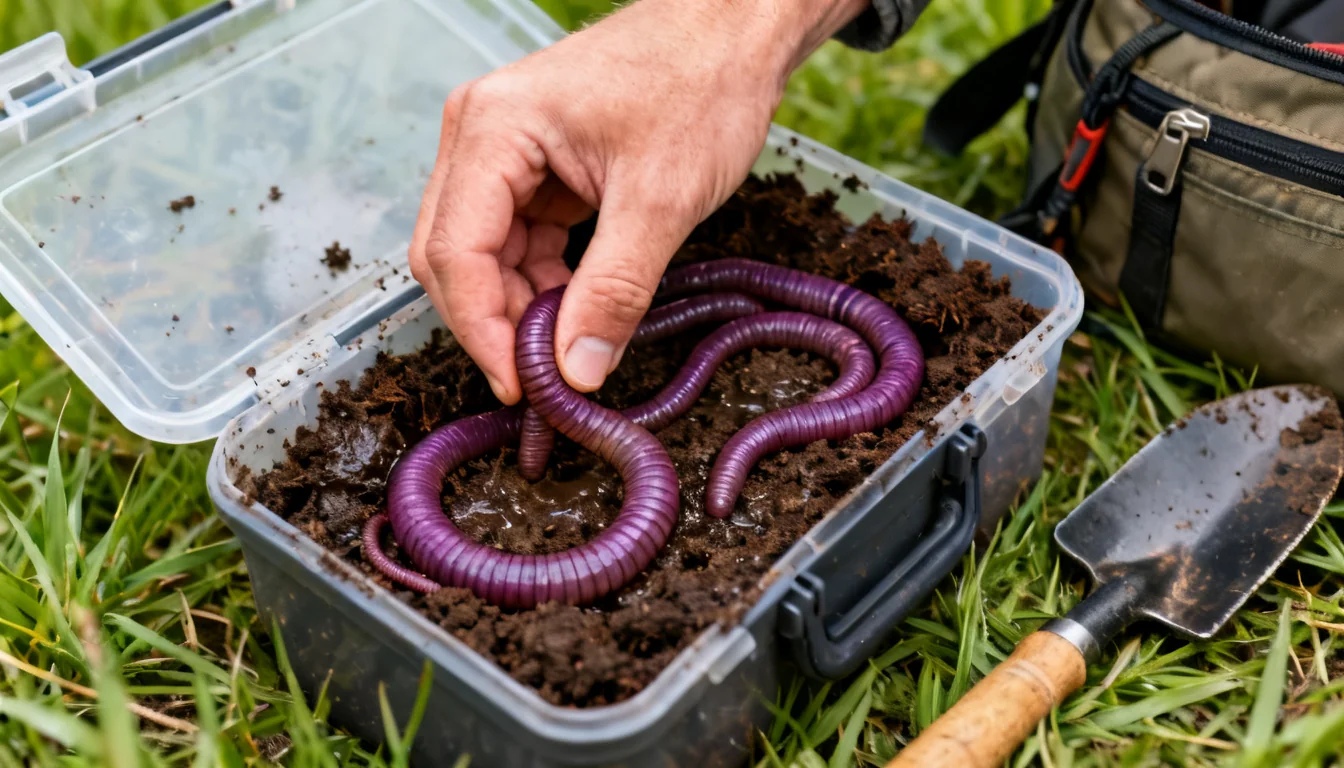
The cardinal rule for worm care is cool and damp, not wet and warm. Worms kept in a hot trunk die in an hour. Worms kept in the fridge last for weeks.
- Bedding. Worms ship in a soil or peat-moss bedding. Keep them in it — it holds the right moisture level. If the bedding looks dry, sprinkle a little water; if it's soggy, open the container and let it breathe.
- Temperature. 40 to 55°F is ideal — a typical fridge sits right at the cool end of that range and works fine between trips. Never leave worms in direct sun, and never on the dashboard.
- Air. The container needs air holes or a loose lid. Worms breathe through their skin and need oxygen, but they also dry out — the balance is a ventilated lid over damp bedding.
- Sorting. Pick out dead or dying worms each day. One dead worm in a tub can sour the whole bedding.
European nightcrawlers are the big, tough ones that catch bass and walleye; red wigglers are smaller and smellier, better for panfish. Both follow the same care rules. When you're fishing, keep the worm container in the shade, not on the seat next to you — the sun through a car window will cook them in fifteen minutes.
Leeches, Crawfish, Crickets & Hellgrammites
Different baits, different homes — but the same principles of cool, moist, and aerated apply.
Leeches. Ribbon leeches are a walleye staple and among the hardiest live baits you can buy. They live in plain cool water — change it every day or two, keep them in the fridge (40 to 55°F), and they'll last for weeks. A sealed container works because leeches are tolerant of low oxygen, but don't leave them in the sun.
Crawfish. Hard-shelled crawfish are the opposite of leeches: they don't live submerged for long. Keep them cool and damp — a cooler with damp burlap or newspaper over them works, and a little ice in a bag keeps the temperature down. They're a top smallmouth bait, and they need the same cool, damp treatment on the bank.
Crickets. Crickets need air, a little food, and shade. The cardboard tube they come in works fine — keep the container ventilated, add a slice of potato or apple for moisture, and keep them out of the sun. Hot crickets die fast and smell worse.
Hellgrammites. The dobsonfly larva, the king of smallmouth baits, needs cool running water or a damp, cool container. On the water, keep them in a bait box with damp moss and ice, not in a bucket of warm water.
Saltwater baits. Shrimp and sandworms follow the same logic: cool, damp, and shaded. Keep shrimp on ice in a cooler (they're dead-ish anyway), and sandworms in damp seaweed or newspaper in the fridge — never in water, where they drown.
On the Water: Live Well Care and Hot-Day Rules
Once you're fishing, the fight to keep bait alive moves to the live well — the tank built into many bass boats and walleye rigs.
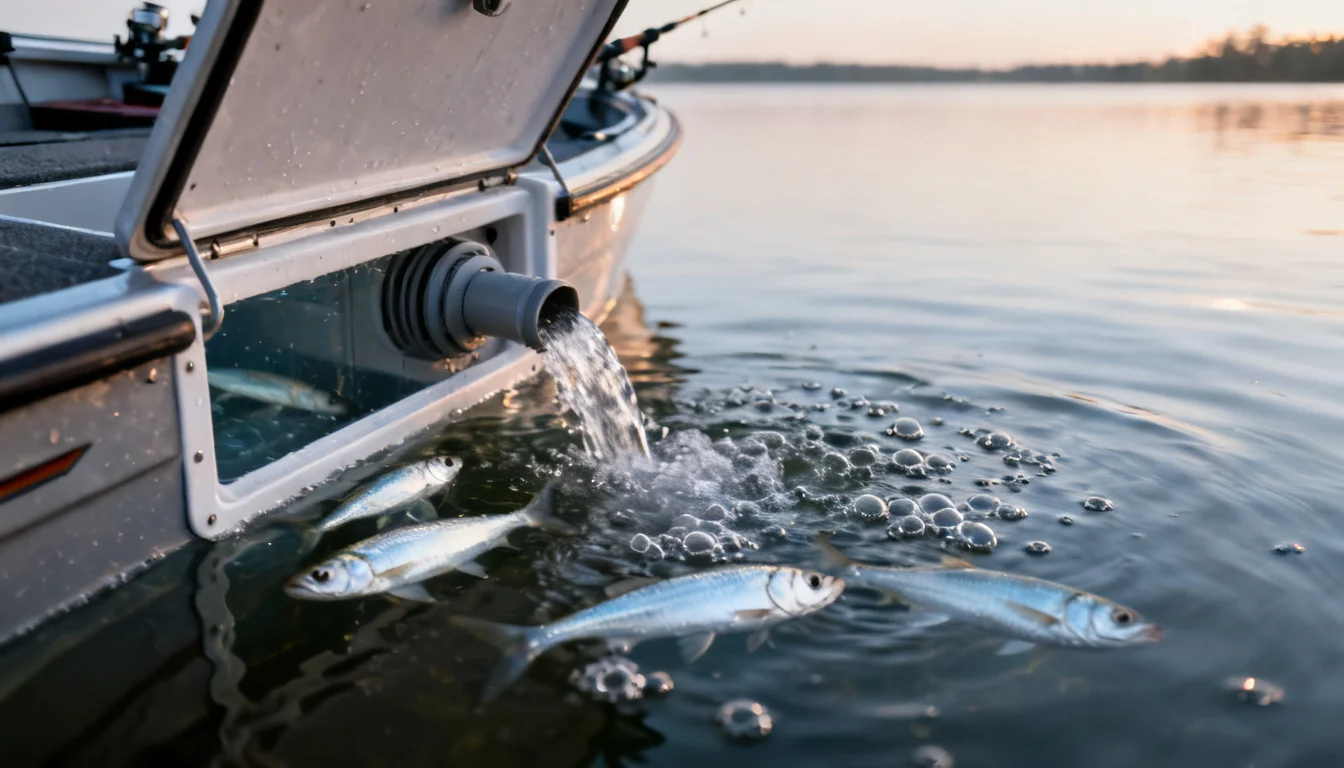
A live well keeps bait fresh with three systems: a recirculating pump that pulls water through the tank, aeration that bubbles oxygen in, and a timer that cycles them so the batteries last. If your boat has a live well, use it for bait — it's purpose-built for this.
No live well? The same bucket you used all morning works, with a few on-the-water rules:
- Shade is oxygen. Park the bucket in the shade of the boat or a tree. Direct sun on the water heats it up and kills oxygen fast.
- Cycle the water. Every hour or two, dip out a third of the bucket and refill it with lake water. This refreshes oxygen and dilutes ammonia in one move.
- Don't dump bait in the lake. Releasing live bait into a water body can spread invasive species and disease — check your state's rules on live bait transport and disposal. It's illegal in many states to dump bait, and the fine isn't worth the convenience.
Hot summer days are when live bait care earns its keep. A bucket of shiners in the sun with no aerator is dead in twenty minutes; the same bucket in the shade with a frozen water bottle and a running aerator lasts all day. The difference is a few dollars of gear and a little forethought.
Common Live Bait Mistakes
These are the errors that cost anglers their bait, in order of frequency:
- Overcrowding the bucket. Too many minnows, too little water, oxygen gone. When in doubt, split the bucket.
- Leaving bait in the sun. Heat kills oxygen and cooks worms. Shade every container, every time.
- Feeding bait you're about to fish. Ammonia from food and waste poisons the bucket. Don't feed; change water instead.
- Tap water straight into the bucket. Chlorine and chloramine are toxic to baitfish. Use well, spring, or lake water — or dechlorinate.
- Adding loose ice. Temperature shock and chlorine kill more bait than heat does. Use sealed frozen bottles.
- Ignoring dead bait. One dead minnow poisons the bucket. Remove dead bait immediately.
- Leaving worms in a hot car. Fifteen minutes in direct sun finishes a tub of nightcrawlers. Coolers and fridges are the only homes between trips.
Skip these and you're already ahead of most anglers on the water. If you're new to fishing with live bait, the rig side matters too — a simple bobber-and-hook setup is the classic way to present a minnow, and it's covered step by step in our beginner rod setup guide.
FAQ
How long do minnows live in a bucket?
With aeration and cool water, fathead minnows routinely live two to three days in a bucket, and golden shiners a day or two with regular water changes. Without aeration, most die within hours — oxygen, not food, is the limiting factor.
Do you need an aerator for live bait?
For minnows and shiners, yes — a battery-powered aerator is the single best investment in live bait care, especially in summer. For worms, crickets, and leeches, no water aeration is needed; they need cool, damp air instead.
How cold should live bait water be?
Most baitfish do best between 45 and 60°F. Cooler water holds more oxygen and slows the bait's metabolism, so it uses less oxygen and produces less waste. Below about 40°F, minnows get sluggish; above 70°F, they start dying off fast.
Can you keep live bait in the fridge?
Yes for worms, leeches, and sandworms — 40 to 55°F is perfect for all three. No for minnows and shiners: they need water, aeration, and water changes, which a fridge can't provide. Crawfish and crickets also do better cool but not refrigerated.
How often should you change live bait water?
A practical rule of thumb: if the water has started to look cloudy or the bait is hanging near the surface gasping, it's already past time. On a hot summer day, plan on swapping water every couple of hours; on a multi-day trip, make it part of the morning and evening routine.
Each change should replace about a third to half of the bucket, and the replacement water should be cool and clean — lake water works great when you're on the water, because it also matches the temperature the bait is about to be fished in.
Is it illegal to dump live bait?
In many states, yes — dumping live bait into a water body can spread invasive species and diseases like viral hemorrhagic septicemia. Check your state's fishing regulations before releasing any unused bait. Many anglers freeze leftover bait for later use instead.
The Bottom Line
Live bait care is three habits: keep it cool, keep it aerated, keep the water clean. Master those and your shiners, worms, and leeches will outlive the fishing trip, and the extra effort shows up as more bites.
The same discipline that keeps bait alive also applies to the fish you catch — learn how to handle and release fish properly so the ones you don't keep survive.
Pair your live bait skills with live bait rigs for channel catfish. If you're just getting started, our common mistakes guide will save you from the classic first-trip errors that kill bait and bites.