How to Catch Largemouth Bass: The Complete Fishing Guide
Largemouth bass are America's most-wanted freshwater fish, and the good news is that largemouth bass fishing is a learnable skill, not luck. How to catch largemouth bass comes down to five things: when to go, what gear to use, which baits trigger strikes, how to rig them, and where to find fish. Every bass angler started somewhere — follow these bass fishing tips and you'll go from casting blind to catching consistently.
When to Fish for Largemouth Bass
Timing is half the battle. Bass are cold-blooded, so water temperature drives everything they do.
Best seasons:
| Season | Water Temp | What the Bass Are Doing | Best Strategy |
|---|---|---|---|
| Spring | 50-68°F | Pre-spawn feeding, then spawning | Best time of year — fish shallow with jigs, spinnerbaits, soft plastics |
| Summer | 70-85°F | Deep by day, shallow at dawn/dusk/night | Fish early & late, go deep midday, night fishing with dark lures |
| Fall | 55-70°F | Feeding frenzy before winter | Topwater mornings, crankbaits along baitfish schools — big fish time |
| Winter | 40-50°F | Slow, deep, tight to cover | Slow down: jigs and soft plastics dragged near deep structure |
Best times of day: The first and last two hours of light are almost always the best. On cloudy days, bass feed longer. In summer, add night fishing — big bass move into shallow water under cover of darkness, and black buzzbaits and jigs absolutely produce.
Weather edge: A warming trend in early spring pulls bass shallow fast. A falling barometer before a storm triggers a feeding binge. Post-front bluebird skies are the toughest — fish deeper and slower.
Bass Fishing Equipment: What You Need
You don't need a boat full of gear to catch bass. One solid combo covers 90% of situations:
Rod & reel:
- 7' medium-heavy rod — the all-purpose bass rod; enough backbone for hooksets, enough tip for casting light lures
- Spinning reel (2500-3000 size) for finesse and wind-resistance casting (go 3000-4000 if you fish heavy weeds), or a baitcasting reel for accuracy and heavier lures
- If you're just starting out, a spinning combo is easier to learn — see our fishing for beginners guide
Line:
- 10-17 lb monofilament or fluorocarbon for general use
- 30-50 lb braid when fishing heavy weeds or flipping thick cover
- 8-12 lb fluorocarbon leader for clear-water finesse; step up to 20 lb for flipping heavy cover
Hooks & weights:
- 3/0-5/0 EWG worm hooks for soft plastics
- Bullet weights (1/8-3/8 oz) for Texas rigs
- Offset worm hooks for weedless presentations
Must-have lures (start with these four): a Texas-rigged soft plastic worm, a jig, a spinnerbait, and a topwater frog or popper. That's a complete bass arsenal.
Best Bass Lures & Baits
Lures (match the forage)
| Lure | When | How to Work It |
|---|---|---|
| Soft plastic worm (Texas rig) | Year-round | The #1 bass catcher of all time; slow drag and pause near cover |
| Jig + craw trailer | Spring & fall, rocks/timber | Bounce along the bottom like a crawfish |
| Spinnerbait | Windy days, stained water | Burn it, or slow-roll it just above the weeds |
| Crankbait | Summer, along points & drop-offs | Steady retrieve at the depth you want; let it bounce off cover |
| Topwater frog/popper | Dawn/dusk, weeds & pads | Twitch, pause, explode — hang on |
| Swimbait | Big bass, open water | Swim it like a dying shad |
Live bait (works when lures don't)
- Shiners — the classic big-bass bait; hook through the lips and freelined near cover
- Bluegill — for trophy bass; use a large hook through the back
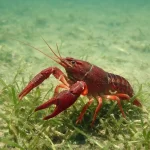
- Crayfish — hook through the tail, fish it on the bottom
- Nightcrawlers — underestimated for bass; works great in rivers
A note on live bait: some states restrict or prohibit live bluegill, crayfish, and other baitfish — always check your state's live-bait regulations before you buy or seine bait.
The 3 Rigs Every Bass Angler Needs
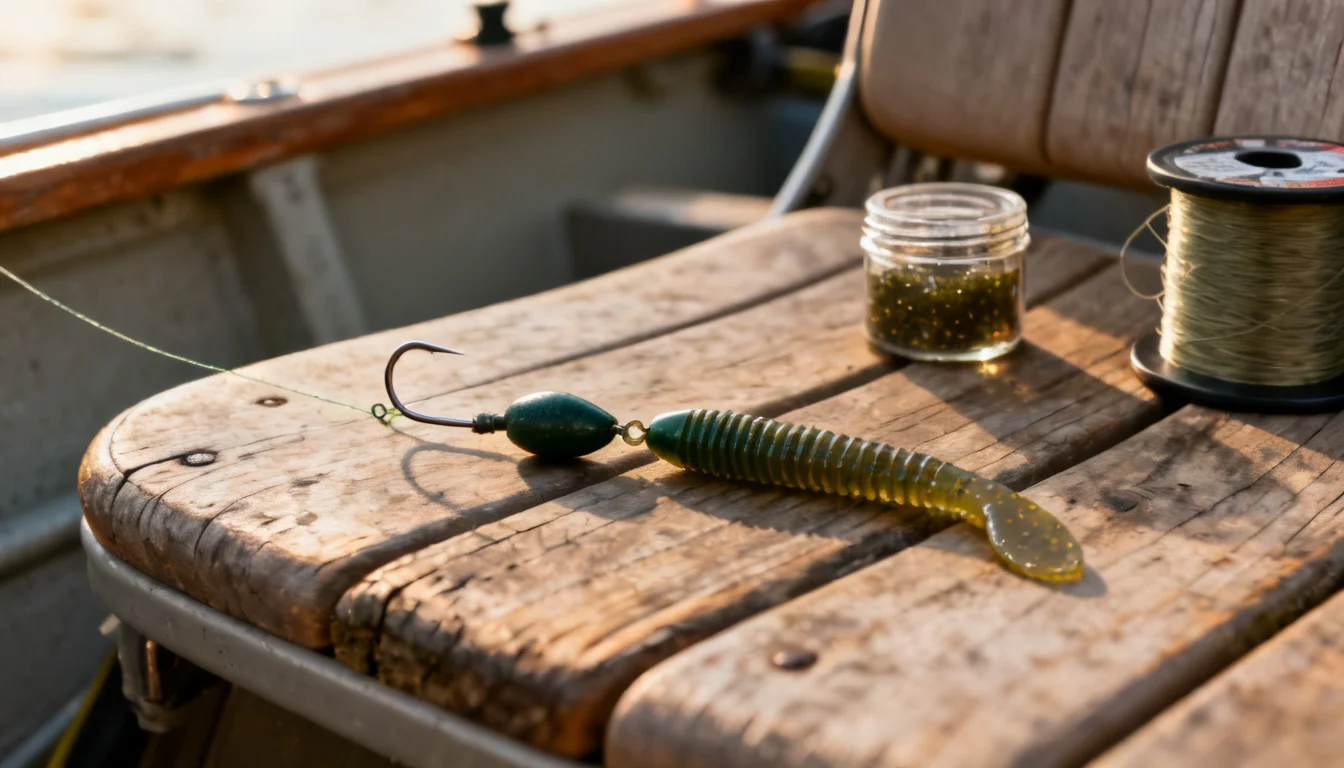
1. Texas Rig (weedless, cover-proof)
Thread a bullet weight onto the line, add a small bead between weight and hook to protect the knot, tie on an offset hook, and rig the worm weedless (hook point buried in the plastic). Cast into weeds, timber, docks — it slides through cover that snags everything else. Retrieve slow with pauses; most strikes come as the worm falls.
2. Carolina Rig (deep, open-bottom)
Add a longer leader (18-36 in) between an egg sinker and your hook — the sinker holds the bottom while the leader and bait drift and dance above it. Deadly for dragging deep points and ledges.
3. Wacky Rig (finesse, pressured fish)
Hook a stick worm (like a Senko) through the middle and let it sink with a side-to-side shimmy. Cast to docks, brush, and visible beds — this is the go-to when bass are biting short or spooky.
How to Find Largemouth Bass (Reading the Water)
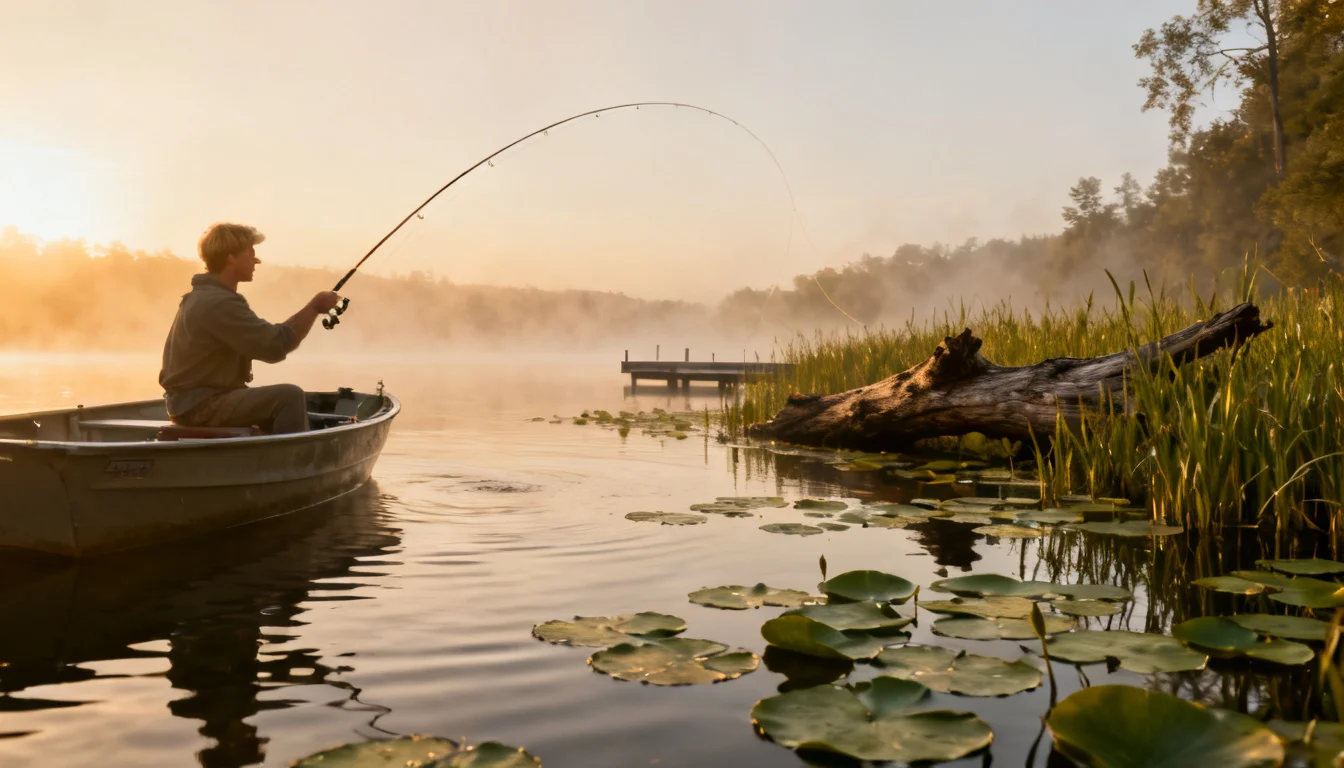
Bass don't roam open water — they hold tight to the same cover types listed in our largemouth bass species guide: weed lines, laydowns, docks, points, and drop-offs. The practical question is which one to hit first, and that comes down to two on-the-water skills:
1. Follow the baitfish. Before you cast anywhere, scan for shad or bluegill flipping at the surface, or bait balls on your fish finder. Bass are always near the forage — find the bait, find the bass.
2. Fish the edges, not the middles. Bass ambush from the outside edge of any structure: the weed-line side facing open water, the deep side of a point, the shaded end of a dock. Cast to the edge and work your bait along it rather than over the top.
And in spring, look for fanned-out depressions (beds) in 1-6 ft of water — that's where spawners live.
Common Mistakes Beginners Make (And Fixes)
Most bass fishing for beginners mishaps come down to a handful of fixable habits — check yourself against them on every trip:
1. Casting too far — bass are often within 20 ft of the bank. Hit the near cover first.
2. Retrieving too fast — most bass strikes come on slow, patient presentations. Slow down.
3. Using hooks that are too dull — check the point after every fish or every hour of fishing; a sharp hook is half the hookset.
4. Sticking with one lure — if a bait doesn't produce in 20-30 casts, change size, color, or type.
5. Missing the strike window — set the hook on the weight of the bite, not the first tap.
6. Fishing open water — without structure, bass aren't there. Move to cover; our guide to how to fish a lake breaks down the structure you should be casting at.
How to Catch Largemouth Bass FAQ
How do I set the hook on a soft plastic?
Don't set on the first tap — wait until you feel the weight of the fish, then reel down and sweep the rod hard to your hip. With weedless Texas rigs, the hook point is buried in the plastic, so the hookset needs real power to drive it home. Missed fish on soft plastics are almost always from setting too early.
What is the best bait for largemouth bass?
It depends on the cover: a Texas-rigged soft plastic worm excels in weeds and timber, a jig shines around rocks, a crankbait covers open-water points, and a topwater frog or popper is deadly over pads at dawn and dusk. Live shiners are the trump card when lures won't produce.
What size rod and reel do I need for bass fishing?
A 7' medium-heavy rod with a 2500-3000 spinning reel (or a baitcaster) handles most bass fishing. Match line to cover: 10-17 lb for open water, 30-50 lb braid for thick weeds.
How deep do bass go in summer?
During bright summer days, bass often hold at 10-20 ft near deep structure — points, ledges, and creek channels. They move shallow to feed at dawn, dusk, and night.
Do you need a boat to catch bass?
No. Bank fishing catches plenty of bass — target docks, weed edges, and laydowns reachable from shore. Many big bass are caught within casting distance of the bank.
Should I use live bait or lures for bass?
Both work. Lures cover more water and are more active fishing; live bait (shiners, crayfish) often outperforms in cold water or when bass are pressured. Many anglers carry both.