Fishing Mistakes: 10 Beginner Errors That Cost You Fish
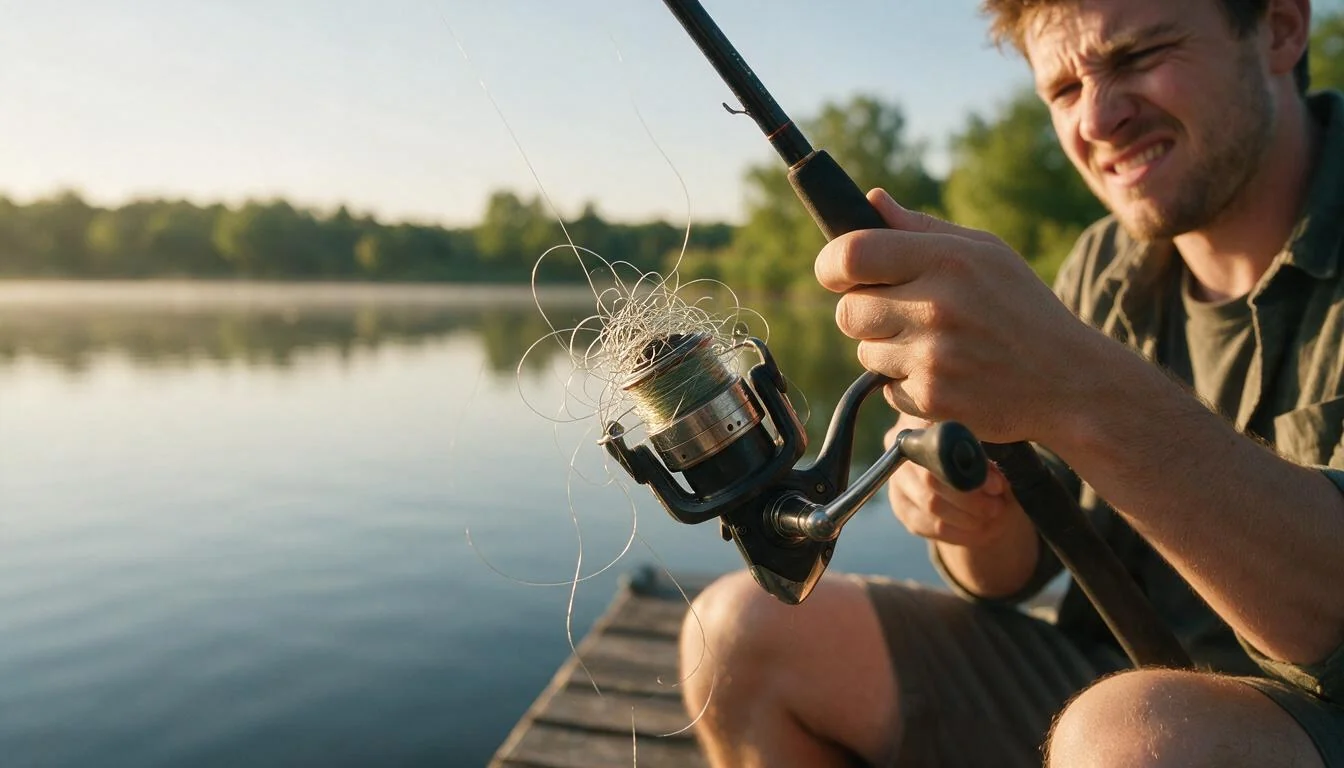
Every angler started somewhere, usually by making the same fishing mistakes on the first few trips. Tangled line, snagged hooks, fish that bite and vanish before you react. None of it means you are doing something wrong; it means you are learning.
This guide walks through the ten most common beginner fishing mistakes, what causes each one, and the simple fix that stops it from ruining your day.
If you are heading out for the first time, start by reading our how to fish a lake guide for the basics of picking a spot and rigging up. Then come back here and avoid the errors that send most new anglers home early.
Common Fishing Errors: The 10 Beginner Fishing Mistakes
1. Line Tangles and Wind Knots
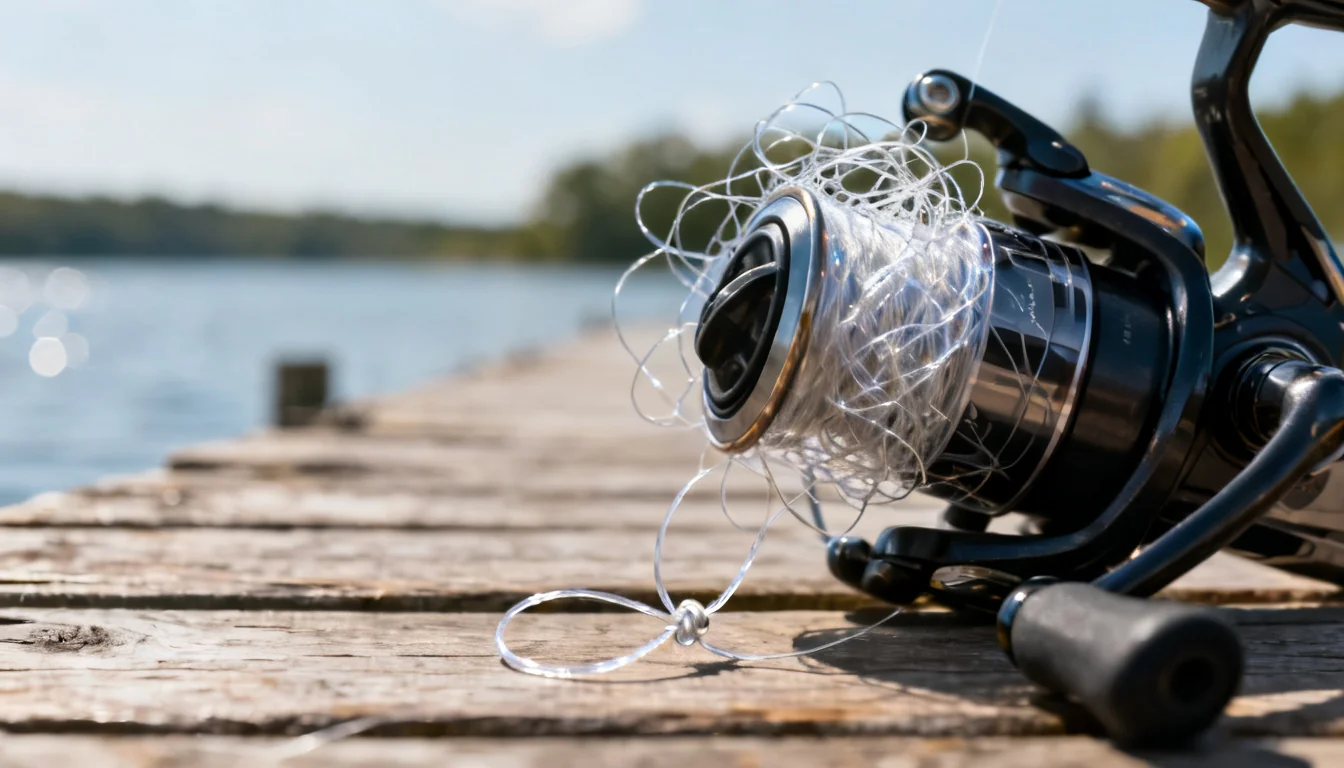
The mistake: you cast, and the line explodes into a bird's nest, or worse, it keeps twisting into loops that tangle on every second cast.
Why it happens: overfilled spools, line twist picked up from reeling against the drag, and closing the bail by turning the reel handle instead of by hand. Spinning reels twist line when the bail snaps shut while line is slack.
The fix: keep the spool filled to about an eighth of an inch below the rim, close the bail with your hand every time, and check for line twist before each trip. If the line starts looping, strip it off and let it hang in the water to untwist.
When a wind knot happens, cut it out rather than trying to pick it loose. Knots in the middle of the line are weak spots, and they snap the moment a fish runs.
2. Snagging the Bottom
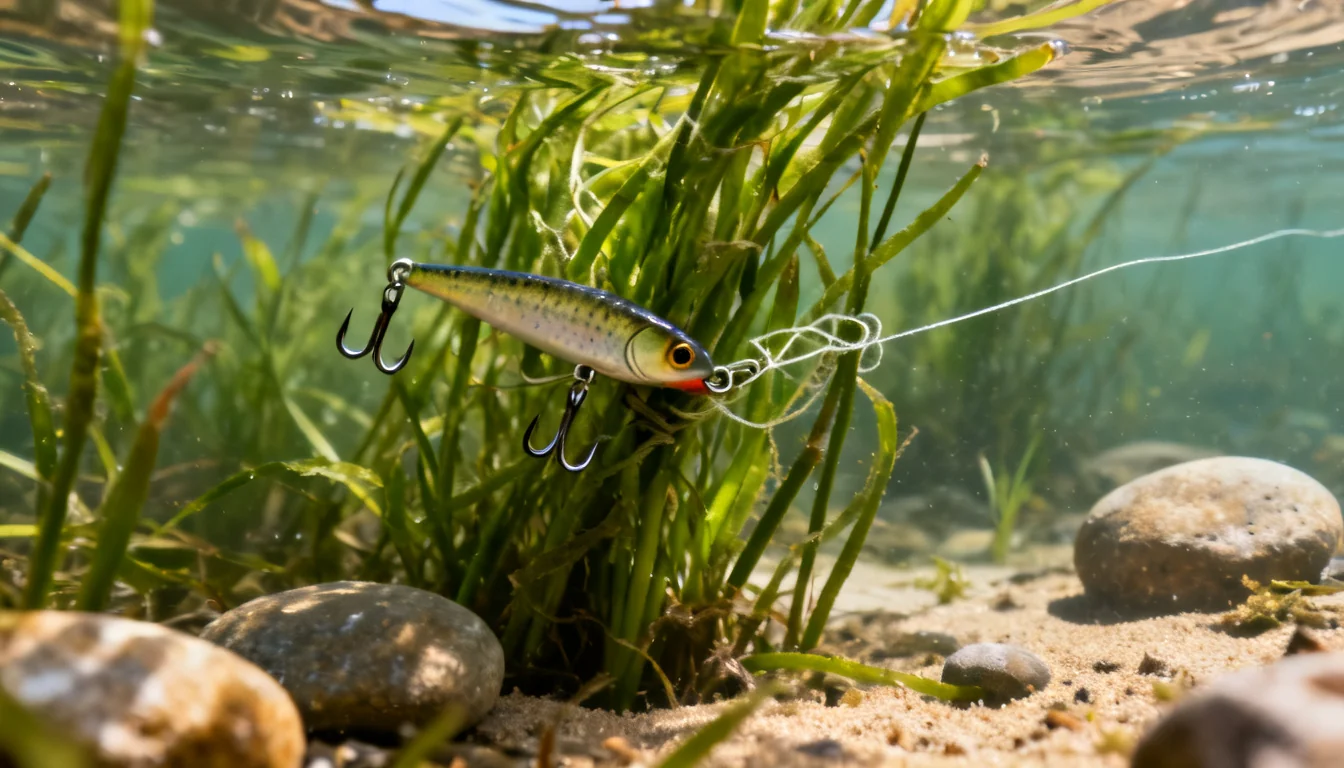
The mistake: your hook finds the bottom every third cast, weeds, rocks, stumps, and you spend more time retrieving lures than fishing.
Why it happens: too much weight for the conditions, casting right into obvious snag piles, or letting the bait sit dead in one spot too long.
The fix: rig with the lightest sinker that reaches bottom. When you feel the tap-tap of the bottom, reel a little faster or lift the rod tip. Avoid casting into the middle of visible timber and weed beds; fish the edges instead.
If you do hang up, point the rod straight at the snag and pull steadily. The hook will often pull free, or the line breaks off cleanly, and either beats snapping your rod with a sharp yank.
3. Setting the Hook Too Early
The mistake: you feel a tap, yank the rod, and pull the bait right out of the fish's mouth. Every. Single. Time.
Why it happens: beginners react to the first bump, but most fish need a moment to actually take the bait. With live bait, the first tap is often the fish mouthing it, not eating it.
The fix: wait for the weight. Let the line tighten and the rod tip load up before you set the hook. With live bait, count two seconds after the tap, or wait for a steady pull.
With lures, set the hook the moment you feel the strike, since the fish already has the lure in its mouth. A short, firm sweep of the rod does more than a wild yank.
4. Using the Wrong Bait for the Fish You Want
The mistake: you spend the day with a lure built for bass while fishing a pond full of bluegill, or sit on a catfish rig hoping to catch trout.
Why it happens: every species eats differently. Bait that works in one pond may do nothing in the next one over, and new anglers tend to fish with whatever they bought first.
The fix: match the bait to the fish. Bluegill and other sunfish smash worms and small crickets; catfish want smelly cut bait and stink baits; bass hit lures, minnows and crawfish. Before you buy anything, decide what species you are targeting and look up what it actually eats. The ten minutes of research saves a whole day of empty casts.
5. Fishing at the Wrong Time of Day
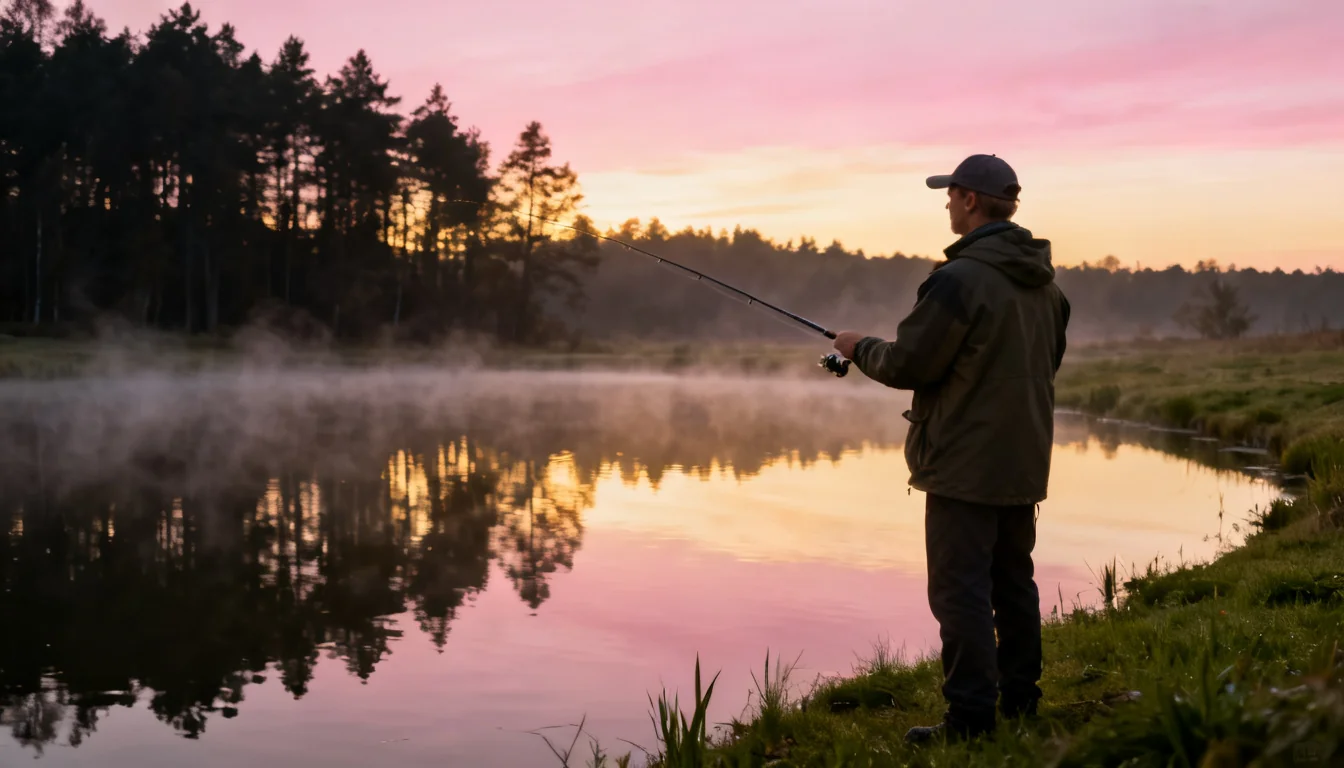
The mistake: you show up at noon in July, fish the top of the water column, and wonder why nothing bites.
Why it happens: feeding windows follow light and temperature. Most fish feed hardest at dawn and dusk, and in summer they go deep and sluggish in the heat of the day.
The fix: plan your trips around first light and the last hour before dark, the classic early-morning and evening bite. On summer afternoons, slow down, fish deeper, or switch to a summer fishing tips approach like fishing shaded cover. If you can only fish midday, target shady banks, deep water and cooler structure instead of open sunny flats.
6. Being Too Loud and Scaring the Fish
The mistake: you stomp up to the bank, bang the tackle box down, shout across the water, and the fish all stop biting.
Why it happens: fish feel vibrations through their lateral line, and they can hear splashing and heavy footsteps from surprisingly far away. The fish are not scared off; they just stop feeding and go quiet.
The fix: approach the water slowly and quietly. Walk softly, set gear down gently, keep voices low, and avoid casting your shadow over the water where you plan to fish. On a quiet pond, a fish that spooks at the bank will often settle and resume feeding after ten or fifteen minutes of stillness.
7. Fishing with Dull Hooks
The mistake: you get bite after bite, set the hook, and pull in nothing, or the fish comes off halfway to the bank.
Why it happens: hooks get dull fast. Bouncing off rocks, catching weeds and scraping across boat bottoms all round off the point. A dull hook never fully penetrates; it just pokes the fish and slips out.
The fix: test your hook before every trip: drag the point across your thumbnail. If it bites in and holds, it is sharp. If it slides, replace it or touch it up with a small hook file. Carry a few spare packs. Hooks are cheap, and a fresh sharp hook is the difference between a hookset and a swing-and-a-miss.
8. Ignoring Licenses and Regulations
The mistake: you fish without checking whether you need a license, or keep fish that are under the size limit, and end up with a fine that costs more than your whole tackle box.
Why it happens: new anglers assume fishing is unregulated, until a game warden walks up. Every US state requires a fishing license for most freshwater fishing, and rules on seasons, size limits and bag limits differ from state to state and water to water.
The fix: buy your license online before the trip. Most states sell them through their wildlife agency website, and the same site lists regulations for the exact water you are fishing.
Check the size and bag limits for the species you are targeting, and when in doubt, release the fish. Catch and release is not a loophole. You still need a license even when you keep nothing.
9. Fishing the Wrong Spot and Never Moving
The mistake: you fish the same open stretch of bank for three hours, catch nothing, and never consider that the fish are simply somewhere else.
Why it happens: beginners fish where it is easy to stand, not where the fish live. Open, featureless water holds few fish; fish hold near structure, cover, drop-offs and current.
The fix: fish the structure. Cast to weed edges, fallen trees, rock piles, docks and drop-offs, anything that breaks up the bottom. If you get no bites in twenty or thirty minutes, move.
On small ponds and reservoirs, walking the bank and fishing each piece of cover for a few casts catches far more fish than sitting in one spot all afternoon.
10. Reeling In Too Fast
The mistake: you crank the reel as fast as you can, every cast, and the fish never get a chance to commit, or the lure blows through the strike zone in two seconds.
Why it happens: new anglers assume faster retrieve equals more action. In reality, most fish, especially bass, walleye and panfish, prefer a slower, steadier presentation, and dead-slow often triggers strikes when nothing else will.
The fix: slow down. Retrieve just fast enough to keep the lure working, and vary the speed until you find what the fish want that day. Try the stop-and-go: retrieve a few turns, pause for two or three seconds, then retrieve again. Many strikes come on the pause, when the bait looks like an easy, wounded meal.
FAQ
What is the most common mistake new anglers make?
The most common mistake is a habit, not a single action: fishing one easy spot with one bait and never adjusting. Beginners pick the most comfortable bank to stand on, which is usually open, featureless water where few fish live.
When nothing bites, they stay anyway. Treat a blank twenty minutes as information. Move to the next piece of cover, change bait or depth, and keep adjusting until something responds.
How do I stop line tangles before they start?
Most tangles are born at the spool. Keep the line filled to about an eighth of an inch below the rim, close the bail by hand after every cast, and never reel against a tight drag.
A small barrel swivel above your hook stops line twist at the source, and cutting out wind knots the moment they appear keeps a weak spot from costing you a fish.
Why do I keep snagging the bottom?
Too much lead is the usual culprit. A heavy sinker buries itself in weeds and wedges between rocks, while the lightest sinker that still touches bottom stays out of trouble. Casting into the heart of a weed bed or logjam guarantees hangs; the edges hold the same fish.
In heavy cover, a weedless rig glides over snags that a bare hook grabs, and counting the lure down before you start reeling keeps you from dragging bottom all the way back.
Is it better to fish in the morning or the evening?
Both, and which one wins changes with the season. In summer, dawn and dusk are the strongest feeding windows and midday fishing is the toughest. In spring and fall, cooler water spreads activity through the whole day, so a ten o'clock trip can fish as well as a six o'clock one.
Overcast days also stretch the bite window: low light keeps fish active longer than a bright, cloudless afternoon.
Do I need a fishing license for catch and release?
Yes, in every state. The license funds the fishery itself: most state wildlife agencies run on license and permit revenue, which pays for stocking, habitat work and enforcement. You also need it when you release everything, and the fine for fishing without one usually dwarfs the license fee.
Buy online from your state wildlife agency before the trip, and note that age exemptions vary from state to state.
The Bottom Line
Fishing mistakes are not a sign that you are bad at this. They are the fastest teacher in the sport. Line tangles, snagged hooks, early hooksets and wrong bait all have simple fixes, and each fix makes the next trip noticeably better.
Start small: pick easy water close to home. A neighborhood pond or small reservoir is a perfect classroom, and easy species like bluegill and sunfish will keep you catching while you learn.
Give yourself a season of trips before judging your progress. Every experienced angler on the water today made every one of these mistakes. The only difference is they fixed them one by one, and now you know the list.