How to Dig Clams: Spot, Dig & Keep Them Legal
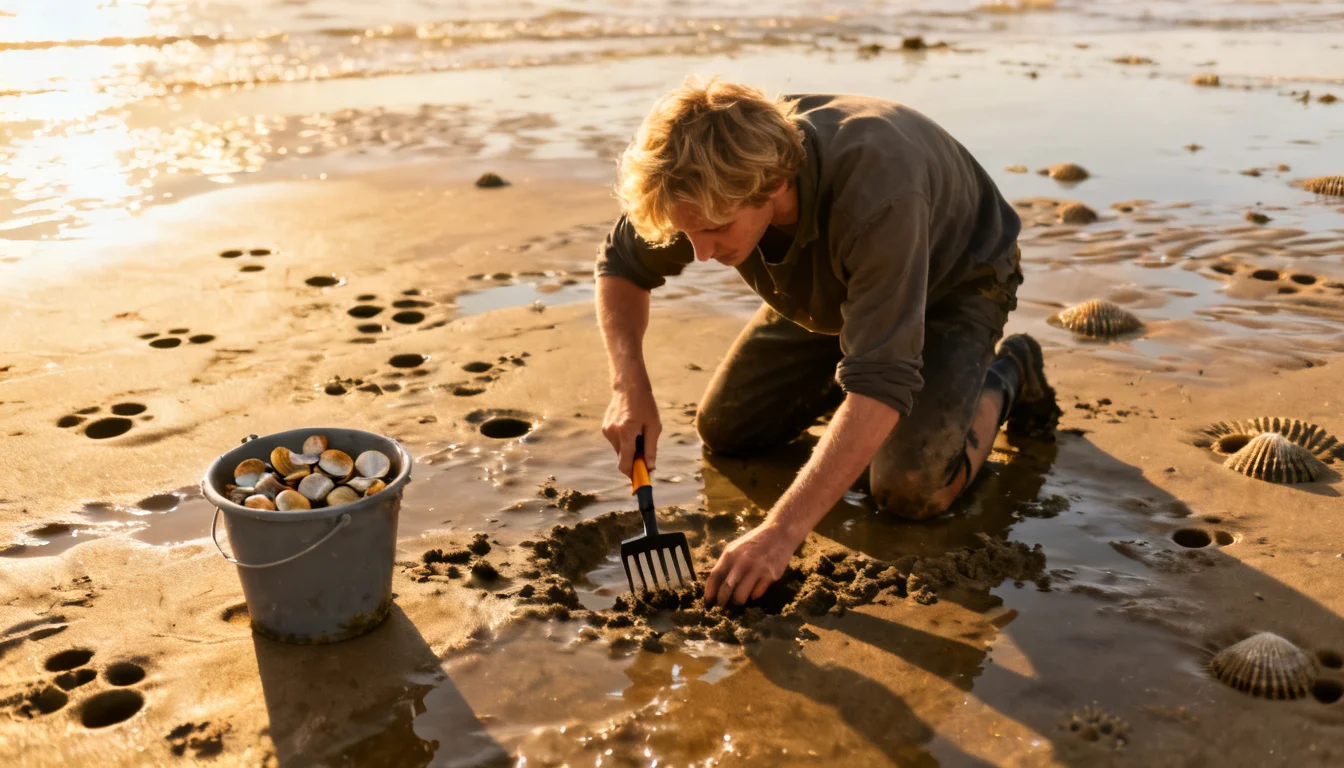
Clamming is one of the most family-friendly ways to gather food from the sea. With a bucket, a rake, and a low tide, anyone can dig a dinner of fresh clams — if you know how to find them. The secret is reading the beach: clams hide under the sand, but they leave signs.
Mastering how to dig clams starts with spotting the "shows" — small signs in the sand that tell you exactly where to dig. This guide covers that skill all the way through legal limits, from hard clams and soft-shell clams to the famous Pacific razor clam. For the other half of the tidal bounty, see our oyster harvesting guide.
Know Your Clams
| Type | Where | How to Find |
|---|---|---|
| Hard clam (quahog) | East Coast bays, mud-sand bottoms | Dig in sandy mud at low tide |
| Soft-shell clam (steamer) | East Coast mudflats | Look for paired siphon holes |
| Razor clam | Pacific Northwest beaches | Look for "show" dimples in wet sand |
| Manila clam | Pacific Northwest | Dig in gravelly sand |
The one you're most likely to dig: depends on your coast — East Coast diggers target quahogs and steamers; West Coast diggers chase razor clams and Manilas.
When to Go Clamming
Tide Timing (The #1 Factor)
Clams live under the sand in the intertidal zone — you can only reach them at low tide.
- Best time: the lowest tides of the month (minus tides around new and full moons)
- Arrive 1–2 hours before low tide and work the receding water
- Check your tide chart and plan around the minus tides — that's when the best clam beds are exposed
Season
Clamming runs year-round in many states, but:
- Spring and fall are the classic clamming seasons (comfortable weather, good tides)
- Summer is fine in cold-water states but check red tide closures
- Winter works on the West Coast for razor clams (cold but productive)
- "R" months rule: like oysters, clams are traditionally best in cooler months
The Tools
| Tool | Purpose |
|---|---|
| Clam rake or fork | Digging and sifting |
| Shovel | Deeper digging (razor clams) |
| Bucket or mesh bag | Holding clams (mesh lets sand drain) |
| Gloves | Shells and rocks are sharp |
| Tide chart | Know when the water comes back |
| Measuring gauge | Check legal size |
How to Find Clams: Reading the Beach
Clams bury themselves but must reach the surface to breathe and feed — leaving shows (signs) that tell you exactly where to dig.
The Key Signs
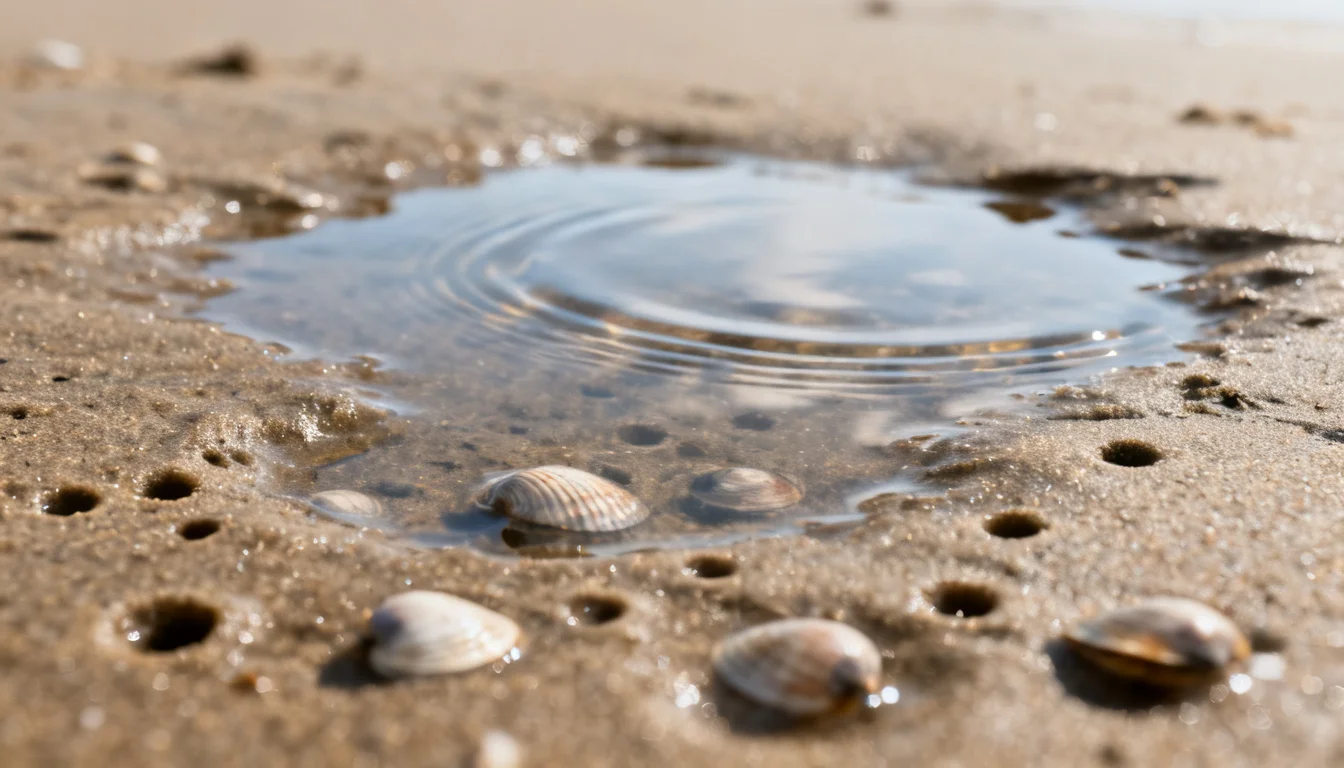
1. Siphon holes / "shows" — small dimples, keyholes, or paired holes in the sand where the clam's breathing tubes reach the surface
2. Water squirts — if you see a tiny squirt of water as you walk, a clam just pulled in its siphon — dig there
3. Dimpled sand — razor clams leave small oval depressions on wet sand
4. Existing shell fragments — an area with clam shells usually has live clams below
Technique: Walk, Watch, Dig
1. Walk slowly across the exposed flat, watching for shows
2. When you spot a show, dig quickly — clams dig down fast when disturbed
3. Work fast near the water's edge — the receding water keeps exposing new ground
4. Fill in your holes as you go (it's the law in most places and keeps the beach safe)
Digging by Clam Type
Hard Clams (Quahogs)
- Dig 4–8 inches in sandy-mud bottoms
- Feel for the round, hard shell with your rake or hand
- Use a clam rake to scratch and sift rather than deep digging
Soft-Shell Clams (Steamers)
- Look for paired siphon holes (two small holes close together — the classic "figure 8")
- Dig 6–10 inches straight down
- They're fragile — dig gently by hand once you locate them
Razor Clams (The Pacific Prize)
- Look for show dimples (small oval depressions) or the razor's "keyhole"
- Dig fast and deep — razor clams can bury 2+ feet in seconds
- The classic technique: spot the show, plunge your shovel at an angle, and grab the clam before it goes deeper
- Work the surf zone of open sandy beaches (they live where waves break)
Regulations: The Non-Negotiable Part
Clam regulations exist to keep beds healthy and people safe:
- License: most states require a shellfish license — see our fishing license guide
- Size limits: minimum size per species (e.g., quahogs 1 inch, razor clams 3 inches)
- Possession limits: often 10–15 per species per person per day
- Season closures: some states close specific beaches or seasons
- Health closures: red tide (PSP) and pollution closures are published by state health departments — always check before digging
- Digging rules: many states require you to fill your holes and ban digging in eelgrass
Golden rule: check your state's shellfish hotline or website for open beaches and closures before every trip.
Cleaning & Cooking
1. Purge: soak clams in salt water (1/3 cup salt per gallon) for 20–30 minutes to release sand
2. Rinse: scrub the shells clean
3. Check: discard any clams that are open before cooking or that float (dead)
Cooking Ideas
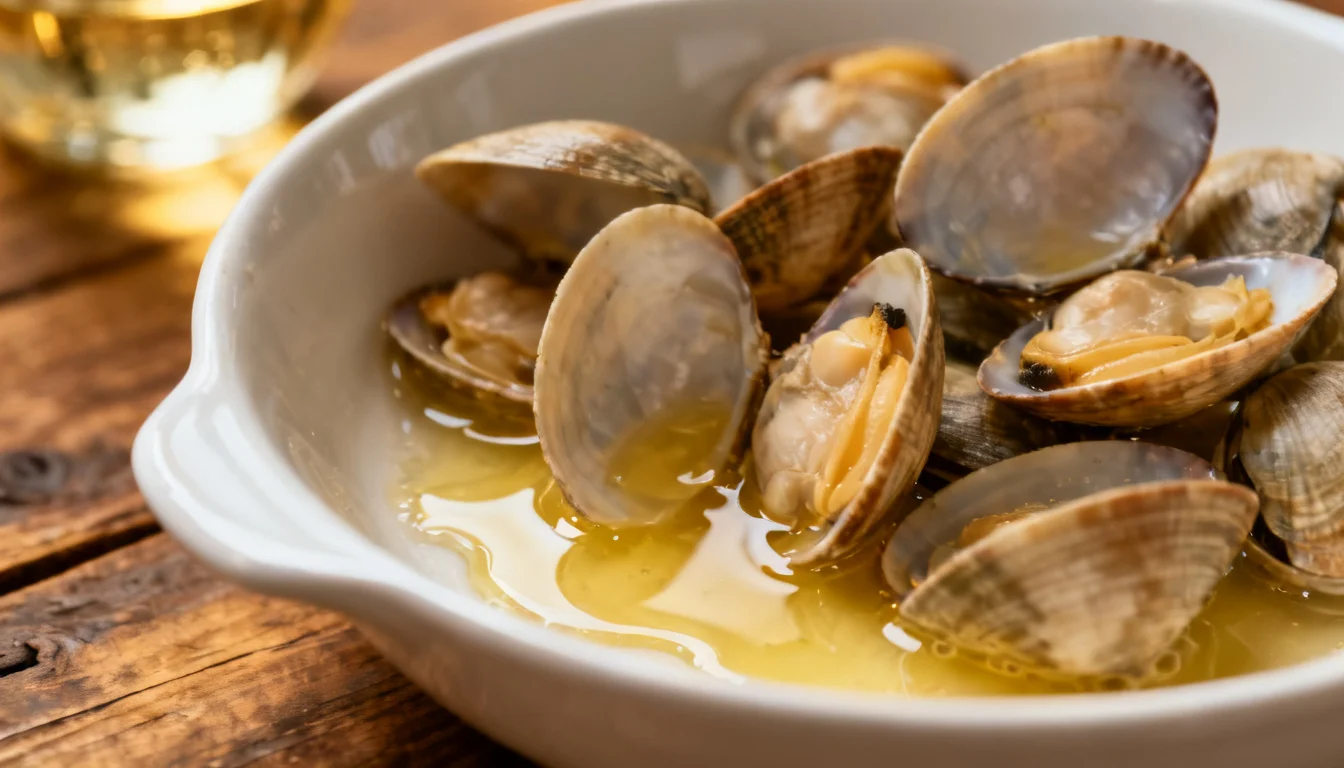
- Steamers: steamed in butter, garlic, and white wine — the New England classic
- Clam chowder: New England (cream) or Manhattan (tomato)
- Fried clams: the summer favorite
- Razor clams: sautéed in butter and garlic — quick and tender
- Linguine with clams: white wine sauce
Common Clamming Mistakes
1. Going at the wrong tide — clamming only works at low tide, especially minus tides
2. Digging where there are no shows — clams are clustered; dig where you see signs
3. Digging too slow — clams dig down fast; work quickly when you spot a show
4. Skipping the license — shellfish licenses are cheap and required
5. Ignoring closures — red tide and pollution closures are there for your safety
6. Not filling your holes — it's the law in most places and dangerous for beachgoers
FAQ
The essentials of how to dig clams come down to a few questions every digger asks.
How do you find clams on the beach?
Look for "shows" — small holes, dimples, keyholes, or paired siphon holes in the sand at low tide. Water squirts as you walk also mark clams. Dig where you see these signs, quickly — clams dig down fast.
What is the best time to dig clams?
Low tide — specifically the minus tides that happen around new and full moons. Arrive 1–2 hours before low tide and work the receding water for the best results.
Do I need a license to dig clams?
Yes — most states require a shellfish or saltwater fishing license for clamming. Some beaches also have additional permit requirements. Check your state's rules before you go.
How deep do I need to dig for clams?
Hard clams are usually 4–8 inches deep; soft-shell clams 6–10 inches. Razor clams are the exception — they can bury 2+ feet and need fast, deep digging.
What does a clam show look like?
A show is a small dimple, hole, or keyhole in wet sand where a clam's siphon reaches the surface. Paired holes often mean a soft-shell clam. Oval depressions in surf-washed sand usually mean razor clams.
Are clams safe to eat raw?
Most clams are best cooked — steaming kills pathogens. Raw consumption is riskier; check your state's health advisories, and when in doubt, cook them. Red tide and pollution closures are serious — always check before harvesting.
Final Checklist
1. Check the tide — go on minus tides, arrive 1–2 hours before low
2. Check closures — license, size, possession limits, health advisories
3. Read the beach — look for shows, dimples, and squirting water
4. Dig fast — clams go deep quickly when disturbed
5. Measure and sort — keep only legal-size clams, fill your holes
6. Purge and cook — saltwater soak, then steam or chowder
Clamming rewards patience and a good tide chart. For more of the tidal bounty, dig into our oyster harvesting guide or take on crabs with the blue crab guide.