Crawfish Guide: Identification, Season & How to Catch Them
In Louisiana, crawfish aren't just food — they're a way of life. Every spring, millions of pounds of these tiny freshwater crustaceans end up in boiling pots across the South, seasoned with cayenne, garlic, and lemon. The crawfish (also called crayfish or crawdad) is North America's most social shellfish, and catching your own makes the boil taste better.
This guide covers crawfish biology, identification, habitat, season, and the methods for catching them — everything you need whether you're planning a boil or just curious about the little lobsters of the freshwater world.
What Is a Crawfish?
A crawfish looks like a miniature lobster because it's a close relative — both are decapod crustaceans in the same infraorder. But crawfish are freshwater animals that live in streams, ponds, and swamps, while lobsters live in the ocean.
Key facts:
- Scientific name: family Cambaridae (US) and Astacidae (Pacific) — over 500 species in North America
- Size: typically 3–6 inches long
- Lifespan: 2–4 years
- Habitat: freshwater streams, rivers, ponds, swamps, and ditches
- Diet: aquatic plants, insects, snails, small fish, and carrion
- The famous one: Procambarus clarkii, the red swamp crawfish that powers Louisiana's industry
Crawfish vs. Lobster vs. Shrimp
| Crawfish | Lobster | Shrimp | |
|---|---|---|---|
| Water | Freshwater | Saltwater | Saltwater (mostly) |
| Claws | Two small claws | Two large claws | None |
| Size | 3–6 inches | 8–24 inches | 3–8 inches |
| Habitat | Streams, ponds, swamps | Ocean floor | Estuaries to ocean |
| Tail meat | Sweet, firm | Sweet, firm | Mild, tender |
Crawfish Identification
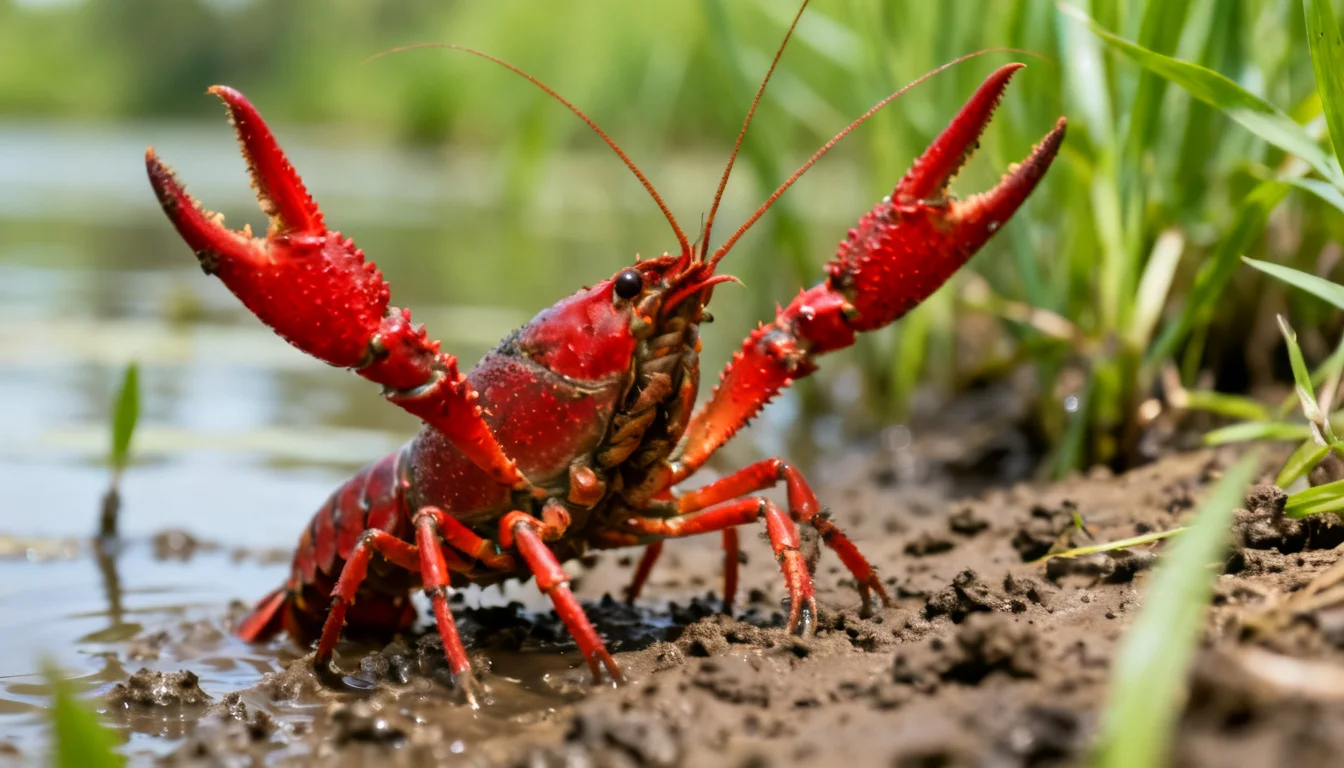
The Red Swamp Crawfish (The One You Eat)
- Color: dark red with bright red claws
- Shell: smooth, no prominent spines
- Size: up to 6 inches
- Where: Louisiana and the Gulf South; the dominant commercial species
Other Common Species
- White River crawfish: lighter color, prefers rivers and reservoirs; also commercially harvested
- Signal crayfish (West): large, with white patches on the claws
- Rusty crayfish: invasive in many northern waters, with rusty spots on the shell
Male vs. Female
Females are wider in the tail and carry eggs under the tail in spring. Males have larger claws and narrower tails.
Where Crawfish Live
Crawfish are found across most of North America — every state except Alaska and Hawaii has at least one native species. But the crawfish you eat at a boil almost all come from:
- Louisiana — supplies ~90% of US farmed crawfish and has the iconic wild fishery in the Atchafalaya Basin
- Texas, Mississippi, Alabama — commercial and recreational harvest
- Pacific Northwest — signal crayfish for those who trap them locally
Crawfish thrive in:
- Slow-moving streams and bayous
- Ponds and crawfish farms (rice field rotation)
- Swamps and marshes
- Ditches and drainage canals
- Rocky streams (for many northern species)
They hide under rocks, logs, and bank undercuts, and they dig burrows in mud — that's how they survive dry seasons and winter.
Crawfish Season
Crawfish is a spring delicacy:
- Peak season: February–June
- Louisiana wild harvest: usually begins in late winter (Feb–Mar) and runs through May
- Farmed crawfish: November–June, peaking March–May
- Northern states: crawfish are active May–September (cooler water means a shorter warm season)
Crawfish are most active when water temperatures are 60–75°F. In winter they burrow and become inactive; in summer heat they also slow down.
How to Catch Crawfish
Full methods are in our crawfish trapping guide, but here's the quick tour:
1. Hand Grabbing (The Southern Tradition)
In shallow, clear water, crawfish can be caught by hand — flip small rocks and grab them from behind the claws. Fast and fun, but requires good eyes and quick hands.
2. Drop Lines (String & Bait)
The simplest method: tie a piece of bacon, chicken, or fish to a string, drop it into the water, and wait. When you feel the crawfish grab the bait, pull up slowly — they hold on stubbornly. Scoop with a net as it nears the surface.
3. Crawfish Traps
Wire mesh traps with funnel entrances, baited with fish heads or commercial crawfish bait. This is the method for serious harvest — see our crawfish trapping guide for trap setup and technique.
4. Seine Nets (Commercial Style)
In ponds and bayous, a seine net dragged through shallow water collects crawfish efficiently. More gear and effort, but effective.
Crawfish Regulations
- License: most states require a fishing license for trapping crawfish; rules vary by state
- Commercial harvest: requires permits in Louisiana and other crawfish states
- Gear limits: trap numbers often limited for recreational harvest
- Non-native species: in some northern states, harvesting certain invasive crawfish is encouraged (check local rules)
Note: always check your state's wildlife agency for current crawfish regulations — see our fishing license guide for how licenses work.
Common Crawfish Mistakes
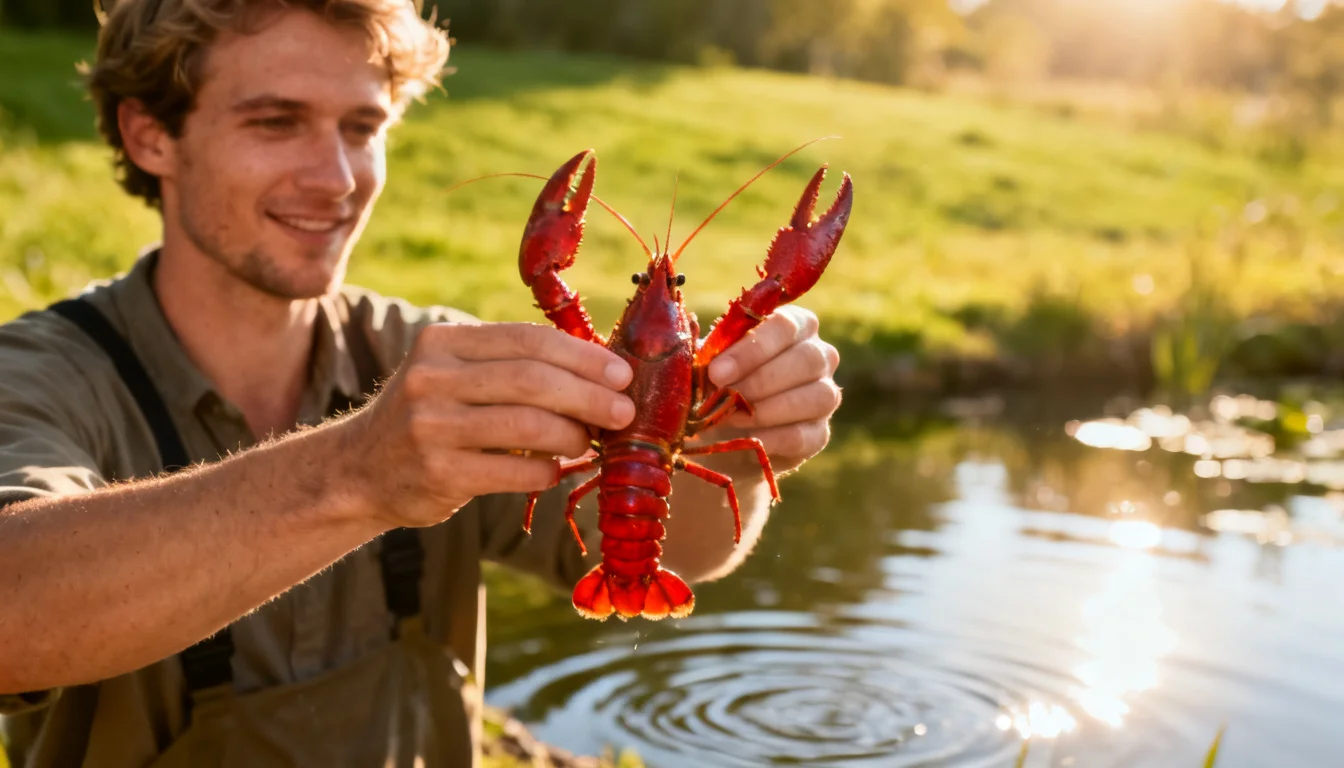
1. Grabbing from the front — crawfish can pinch hard; grab behind the claws
2. Fishing the wrong water — crawfish avoid fast current and deep, open water; target banks, rocks, and shallows
3. Winter fishing — they're burrowed and inactive in cold months
4. Leaving traps too long — bait runs out and catches drop
5. Confusing species — check local rules if you're harvesting in northern states (invasive vs. native rules differ)
Cooking & Eating Crawfish
The crawfish boil is a social event as much as a meal:
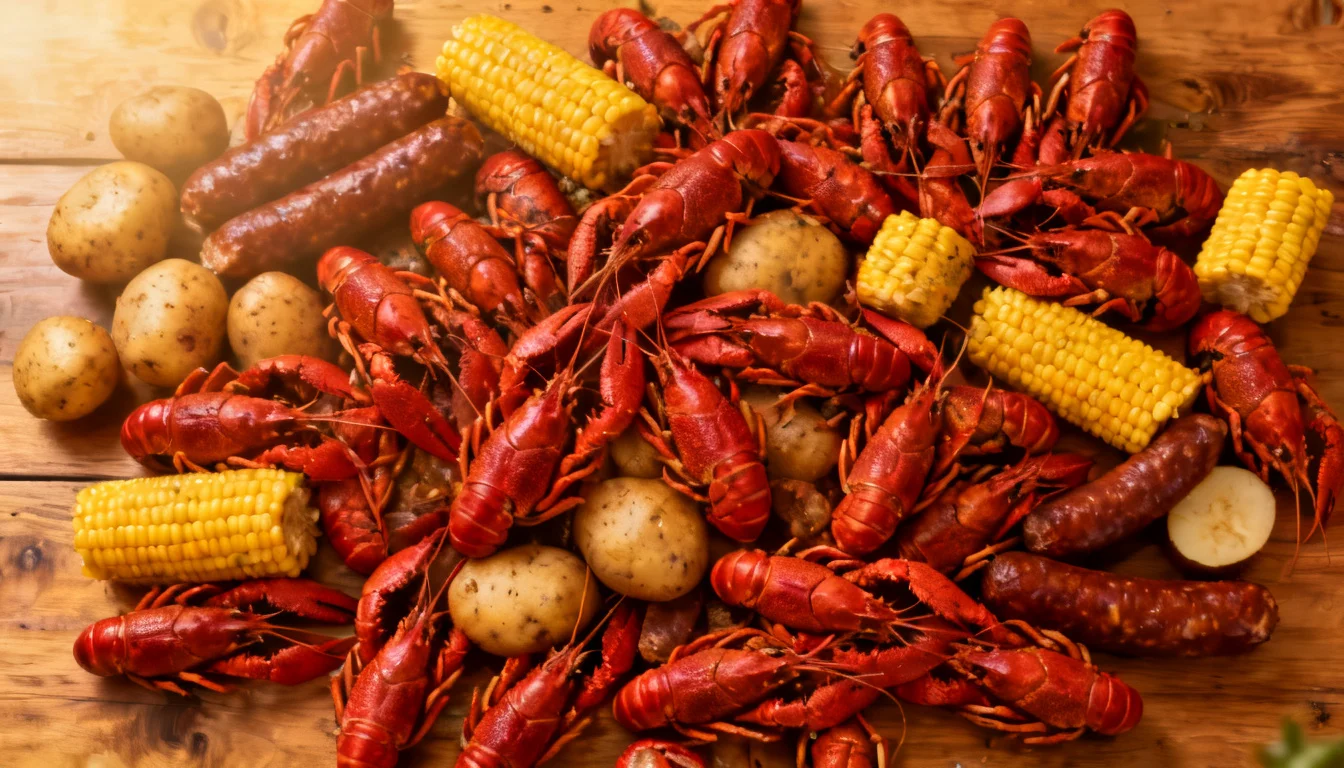
- The boil: crawfish, corn, potatoes, and sausage boiled with crawfish seasoning (cayenne-heavy)
- Eating: pinch the tail, peel, and pull the meat; many also suck the head (the seasoned juices)
- Crawfish étouffée: the classic Louisiana dish
- Crawfish pie, bisque, and fried tails: other favorites
Crawfish are sold live (keep them cool and damp in a sack), frozen tails, or peeled meat. Live is best for boils.
FAQ
Are crawfish and crayfish the same thing?
Yes — crawfish, crayfish, and crawdad are all regional names for the same freshwater crustacean. "Crawfish" dominates in the South (especially Louisiana); "crayfish" is more common elsewhere.
What's the difference between crawfish and lobster?
Crawfish are freshwater and small (3–6 inches); lobsters are saltwater and much larger. Crawfish have two smaller claws and live in streams, ponds, and swamps. The tail meat tastes similar — sweet and firm.
When is crawfish season?
Peak season is February–June, with the best boils in March–May. Louisiana's wild season starts in late winter; farmed crawfish run November–June. In northern states, crawfish are active in the warmer months.
How do you catch crawfish?
The easiest methods are drop lines (string with bacon or fish) and hand grabbing under rocks in shallow water. For larger harvests, use wire crawfish traps — see our crawfish trapping guide.
Do I need a license to catch crawfish?
Most states require a fishing license for trapping or harvesting crawfish. Rules vary, and some northern states have special rules for invasive species. Check your state's wildlife agency first.
Where is the best place to catch crawfish?
Louisiana (especially the Atchafalaya Basin) is the crawfish capital, but you can catch them in creeks, ponds, and bayous across most of the country. Look for slow water, muddy banks, rocks, and vegetation.
Final Checklist
1. Identify: red swamp crawfish is the eating species; know your local species and rules
2. Season: spring (Feb–June) is prime time
3. Location: slow streams, ponds, bayous — banks, rocks, and shallows
4. Method: drop lines or traps for volume; hand grabbing for fun
5. Regulations: license and gear rules for your state
6. Handle: grab from behind the claws
Ready to catch a boil? The crawfish trapping guide walks you through traps step by step, and our shrimp species guide covers the saltwater side of the shellfish family.