How to Harvest Oysters: Timing, Tools & Technique
There's nothing quite like shucking an oyster you picked yourself at low tide — briny, fresh, and free. Harvesting oysters is one of the most accessible forms of shellfish gathering in America, practiced from the mudflats of New England to the Gulf Coast and the Pacific Northwest.
Learning how to harvest oysters safely and legally is straightforward once you know the rules of the tide. This guide covers the best seasons, the right tools, where to find oyster beds, and the health rules that keep it safe. For the broader shellfish family, see our clam digging guide and blue crab guide.
What Oysters Are You Harvesting?
Oysters are filter-feeding bivalves that attach themselves to hard surfaces — rocks, pilings, shells, and other oysters — and stay there for life. The species you'll harvest depends on your coast:
| Region | Species |
|---|---|
| East Coast | Eastern oyster (Crassostrea virginica) — the classic, from Maine to Texas |
| Gulf Coast | Eastern oyster — huge, fast-growing Gulf populations |
| Pacific Northwest | Pacific oyster (Crassostrea gigas), Olympia oyster, Kumamoto |
| West Coast | Pacific and Olympia oysters |
When to Harvest Oysters
The "R" Months Rule
The old saying — only eat oysters in months with an "R" (September–April) — has real roots. In warm months, oysters may spawn and turn milky, and bacteria risk rises. The rule is softening with modern refrigeration and aquaculture, but wild harvest in cooler months is still the safe default.
| Season | Harvest Quality |
|---|---|
| Fall–Spring (Sep–Apr) | Best — oysters are firm, sweet, and safest |
| Summer (May–Aug) | Risky wild harvest — check local health advisories |
Tide Timing
Oysters live in the intertidal zone — they're exposed at low tide, which is when you harvest them.
- Best harvesting: during low tide (especially minus tides) when beds are exposed
- Target: the lowest low tides of the month (around new and full moons)
Tools You Need
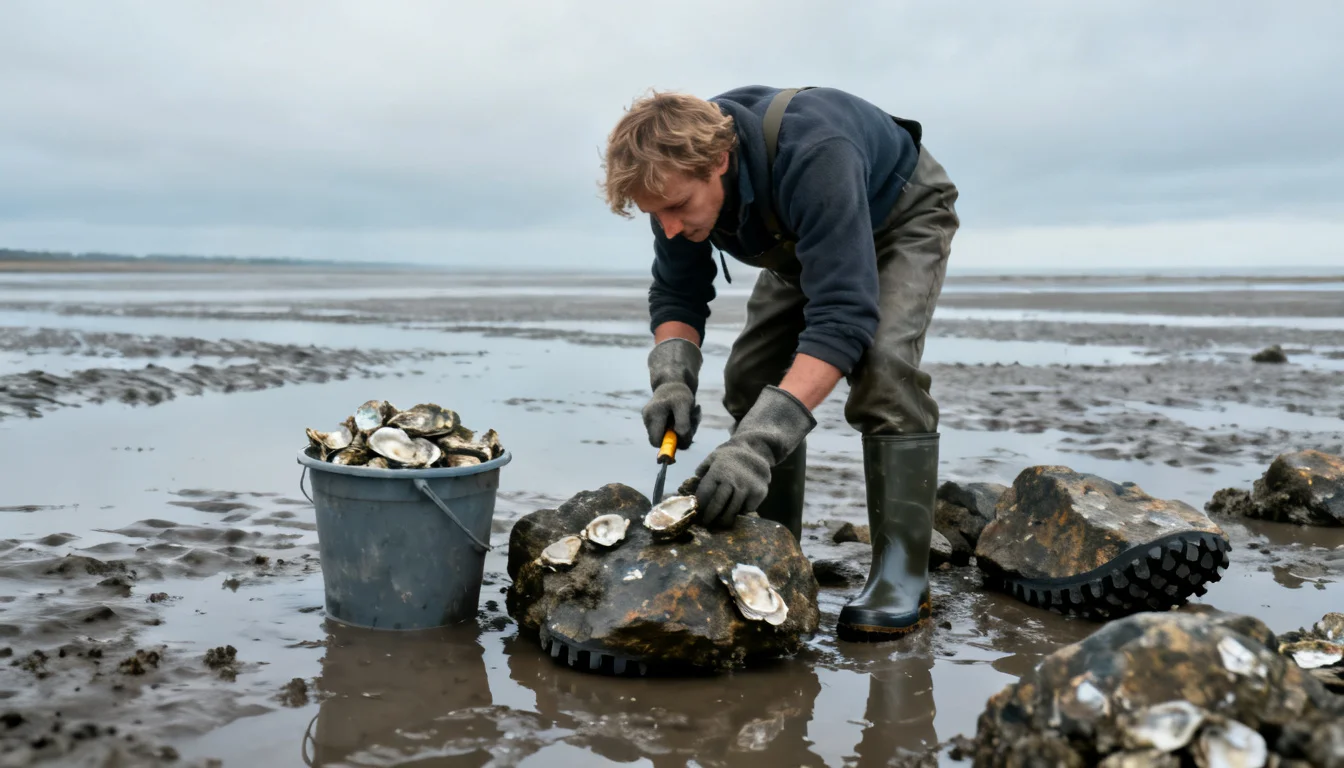
Oyster harvesting is simple — the gear list is short:
| Tool | Purpose |
|---|---|
| Oyster knife or flat screwdriver | Pry oysters off rocks |
| Gloves (cut-resistant) | Oyster shells are razor sharp |
| Mesh bag or bucket | Holding the harvest (mesh lets mud drain) |
| Shucking knife | For opening them later |
| Boots or waders | Mudflats and tidal areas |
| Measuring gauge | Check legal size (varies by state) |
Where to Find Oysters
Oysters attach to anything hard in the intertidal zone:
- Rocky shores and ledges — look for clusters of shells
- Oyster reefs — mounds of live oysters and old shells in bays and estuaries
- Pilings and docks — oysters grow on wooden and concrete structures
- Mudflat edges — where shell substrate meets the flat
Good Signs
- Existing oyster shells (old, weathered shells mean live oysters nearby)
- Clean, moving water with some salinity
- Estuary mouths — the mix of fresh and salt water that oysters love
Avoid
- Industrial areas and marinas — contaminated water
- Still, murky water near runoff
- Posted/closed areas — closures are serious
Harvesting Technique
Before any discussion of technique, know that how to harvest oysters legally starts with regulations.
1. Check the Regulations First
Every state manages oyster harvests with specific rules:
- Season — many states close oyster beds in warm months
- Size limit — typically 3 inches minimum
- Possession limit — often a bushel per person per day
- License — a shellfish or saltwater license is usually required — see our fishing license guide
2. Work the Low Tide
- Arrive at low tide when beds are exposed
- Look for clusters of live oysters attached to rocks or reef
3. Pry Them Off
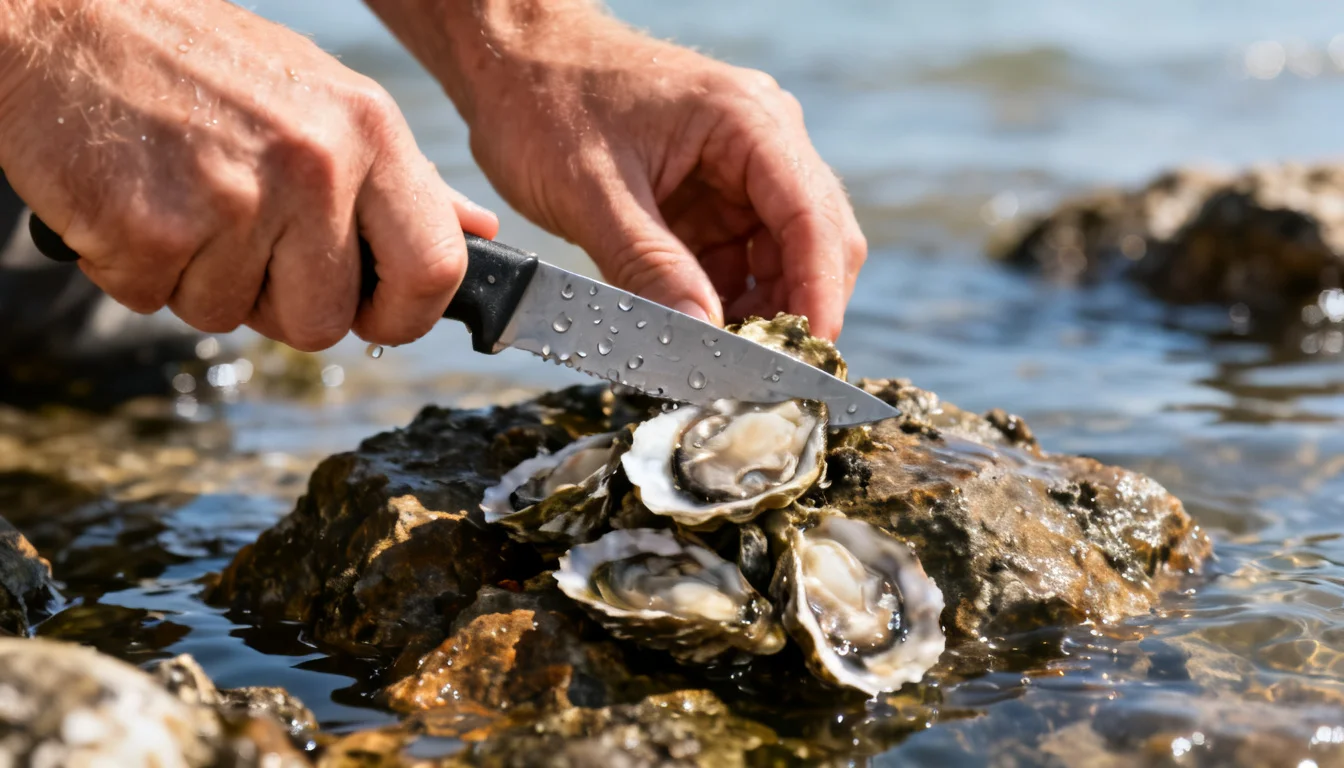
- Slide the oyster knife or screwdriver under the shell where it meets the rock
- Twist to pop it free — don't chip the shell or cut yourself
- Keep only oysters that are closed (a gaping shell means a dead oyster)
4. Sort and Measure
- Measure from hinge to bill — only keep legal-size oysters
- Return undersized and cracked shells to the water (they're habitat for new oysters)
5. Clean and Chill
- Rinse mud off in seawater
- Keep oysters cold (ice in a cooler) — they spoil fast in the sun
- Never put them in fresh water — it kills them
The Health Rules (Non-Negotiable)
Oysters are filter feeders — they concentrate whatever is in the water. This makes health rules the most important part of harvesting:
1. Check closures — your state's health department closes beds when bacteria or toxins are high. Harvest only from open beds
2. Check advisories — red tide (PSP), vibrio, and pollution advisories are published by state agencies
3. Harvest in cool months — warm-water vibrio risk is real
4. Keep them cold — from harvest to table
5. Don't harvest near sewage outfalls, marinas, or after heavy rain (runoff)
When in doubt, don't eat it raw — cooking kills most pathogens. Raw oyster lovers should harvest only from certified-clean beds.
Storing & Shucking
- Store: keep live oysters in the refrigerator, cup-side down, under a damp towel — not in water
- Use quickly: within a few days of harvest
- Shuck: insert the shucking knife at the hinge, twist, and slide along the top shell to cut the muscle
Cooking Ideas
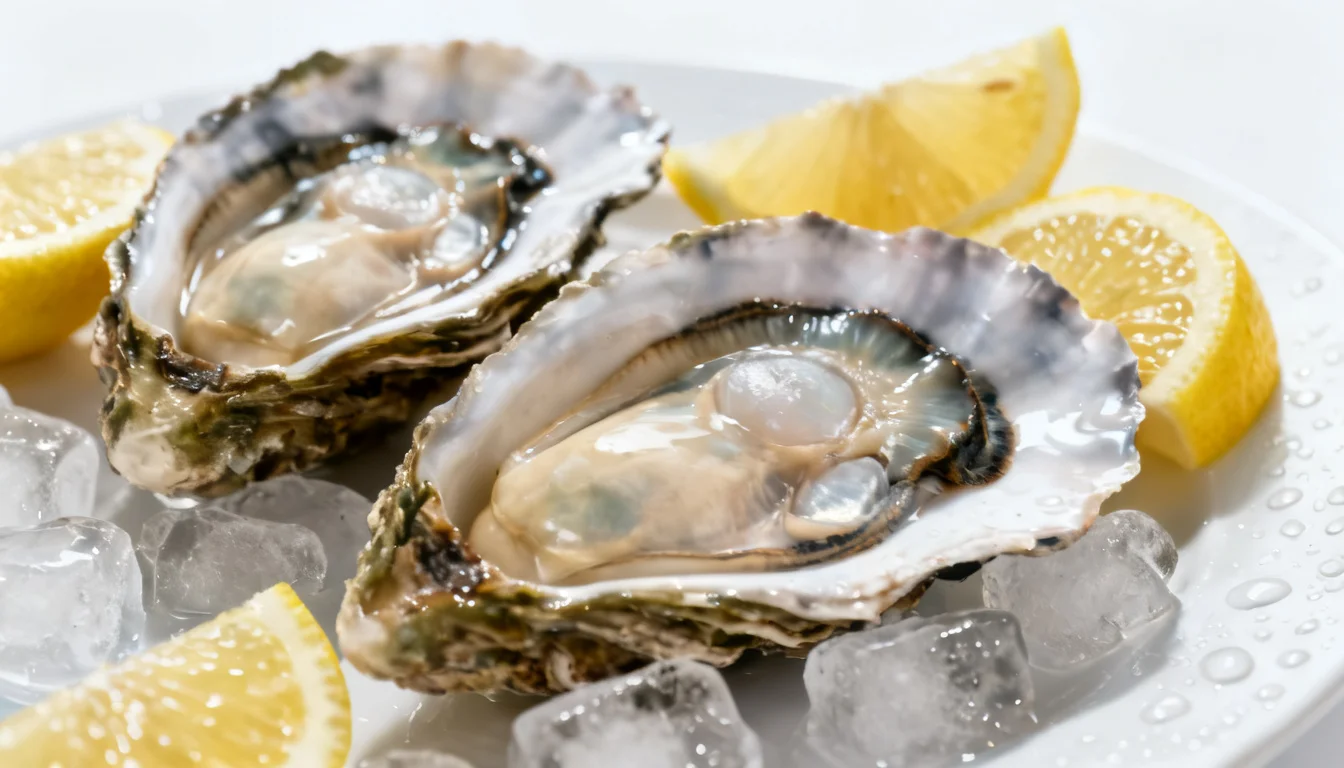
- Raw on the half shell with lemon and mignonette
- Oysters Rockefeller
- Chargrilled oysters (the Gulf Coast favorite)
- Oyster stew and fried oysters
Common Oyster Harvesting Mistakes
1. Harvesting in closed or posted areas — the #1 mistake; check closures first
2. Summer harvesting — higher bacteria risk and often closed beds
3. No gloves — oyster shells slice hands easily
4. Keeping gaping oysters — a dead oyster is a spoiled oyster
5. Freshwater rinse — kills them; rinse in seawater only
6. Ignoring size limits — undersized oysters are the future reef
FAQ
When is oyster season?
Traditionally September–April (the "R" months). Many states close beds in summer due to warm-water bacteria risk. Check your state's specific oyster season and closures.
Do I need a license to harvest oysters?
Yes — most states require a shellfish or saltwater fishing license for oyster harvesting. Some require specific shellfish permits. Check your state's rules before you go.
Can I harvest oysters from any beach?
No — only from areas that are open per your state's health department and wildlife agency. Closed areas protect you from contaminated shellfish and protect the beds from overharvest.
What's the best time of day to harvest oysters?
Low tide — oysters in the intertidal zone are exposed and easy to reach. Minus tides (around new and full moons) expose the best beds.
How do I know if an oyster is safe to eat raw?
Harvest only from certified-open beds in cool months, keep them cold, and eat them fresh. If you're unsure about water quality, cook them — cooking kills most pathogens.
Are bigger oysters better?
Not necessarily — for eating raw, smaller to medium oysters are often preferred (tenderer, sweeter). Bigger oysters are great cooked. But legally, keep only oysters above the minimum size.
Final Checklist
1. Regulations: license, season, size, possession limits — and bed closures
2. Timing: cool months (Sep–Apr), low/minus tides
3. Location: open beds, rocky shores, oyster reefs, away from pollution
4. Tools: oyster knife, gloves, mesh bag, measuring gauge
5. Technique: pry from the rock, keep only closed, legal-size oysters
6. Health: check advisories, keep cold, cook when unsure
Shellfish harvesting is one of the most rewarding ways to get food from the water. For the rest of the tidal bounty, check our clam digging guide — and for a bigger challenge, the blue crab guide.