Lake Trout: Complete Guide to Lakers & Mackinaw
The lake trout is the biggest native char in North America — a deep-water predator that thrives in the coldest, cleanest lakes on the continent. Called "laker" or "mackinaw" by the anglers who chase them, these fish grow slow, live long, and reach sizes that make them a legitimate trophy target.
This guide covers lake trout identification, habitat, season, and the specialized techniques — downrigger trolling, deep jigging, and ice fishing — that put you in front of these cold-water giants.
What Is a Lake Trout?
Lake trout (Salvelinus namaycush) is a char — a relative of brook trout, Arctic char, and Dolly Varden — not a true trout despite the name.
Key facts:
- Scientific name: Salvelinus namaycush
- Common names: laker, mackinaw, togue (in Maine), grey trout
- Size: commonly 2–10 pounds; 20–30 pound fish are trophies; the record exceeds 70 pounds
- Lifespan: 20–40+ years in northern lakes — extremely slow-growing
- Habitat: deep, cold, oxygen-rich lakes
- Diet: almost entirely fish — ciscoes, smelt, sculpins, and other lake trout
Lake Trout vs. Other Char and Trout
| Feature | Lake Trout | Brook Trout | Rainbow Trout | Splake |
|---|---|---|---|---|
| Tail | Deeply forked | Square | Square/slightly forked | Slightly forked |
| Markings | Light spots on dark background | Light spots + red spots with blue halos | Black spots on light body + pink stripe | Mixed |
| Habitat | Deep cold lakes | Cold streams | Streams and lakes | Stocked lakes |
| Size | Largest | Smallest | Medium | Medium |
Key ID: the deeply forked tail plus light spots on a dark body is the lake trout signature.
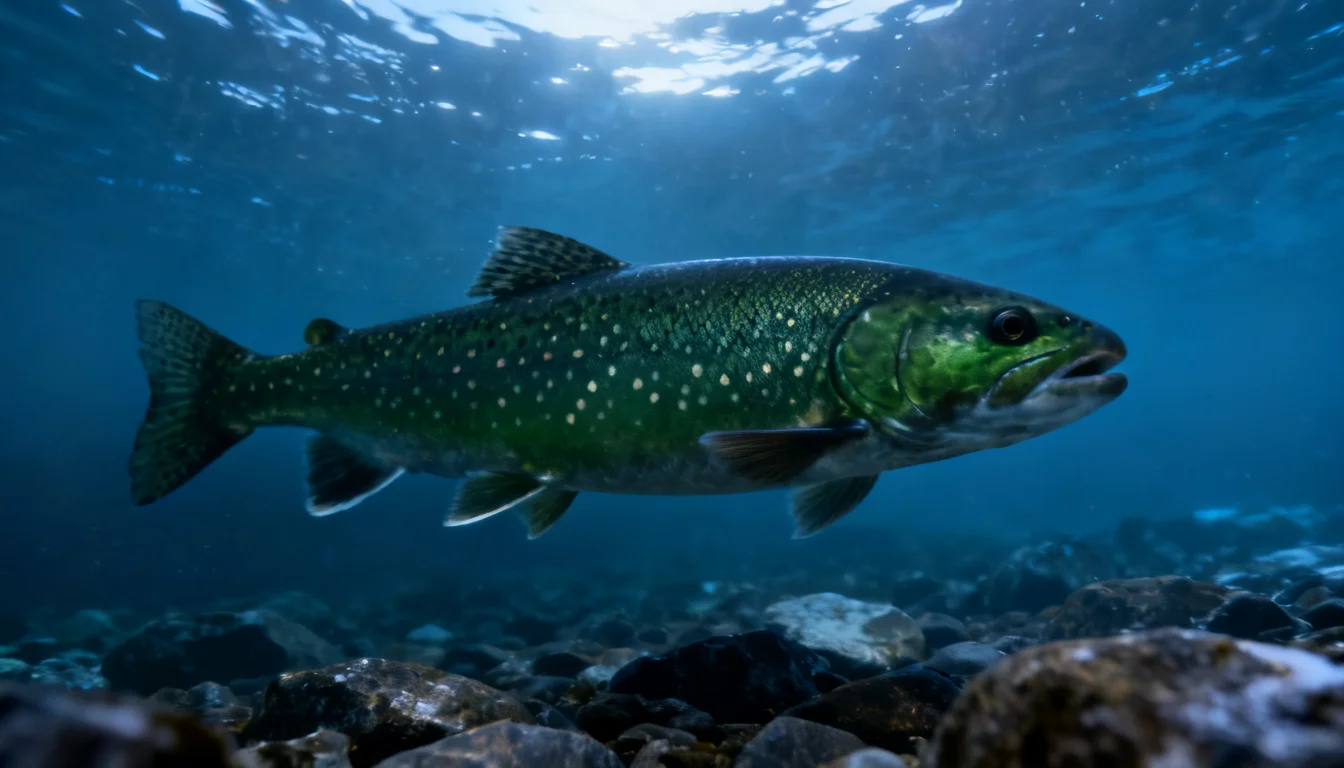
Lake Trout Identification
- Body: elongated, torpedo-shaped, built for deep water
- Color: dark green, gray, or brownish with light (cream/pale) spots across the body and fins
- Tail: deeply forked (the most reliable field mark)
- Mouth: large, with well-developed teeth
- Fins: no red or orange fins with white edges (which would indicate brook trout)
Where Lake Trout Live
Lake trout are native to the northern United States and Canada — and they've been widely stocked:
Native Range
- Great Lakes (Superior, Michigan, Huron, Erie, Ontario) — the historic heartland
- Canada: across the northern provinces and territories
- Alaska
- Northern US: Maine, New Hampshire, Vermont, New York (Adirondacks), Minnesota, Wisconsin, Michigan, Montana, Wyoming
Stocked Waters
- Deep western reservoirs (Colorado, Utah, Wyoming, Montana)
- Northern lakes across the Midwest and Northeast
- Some deep, cold eastern reservoirs
Habitat Requirements
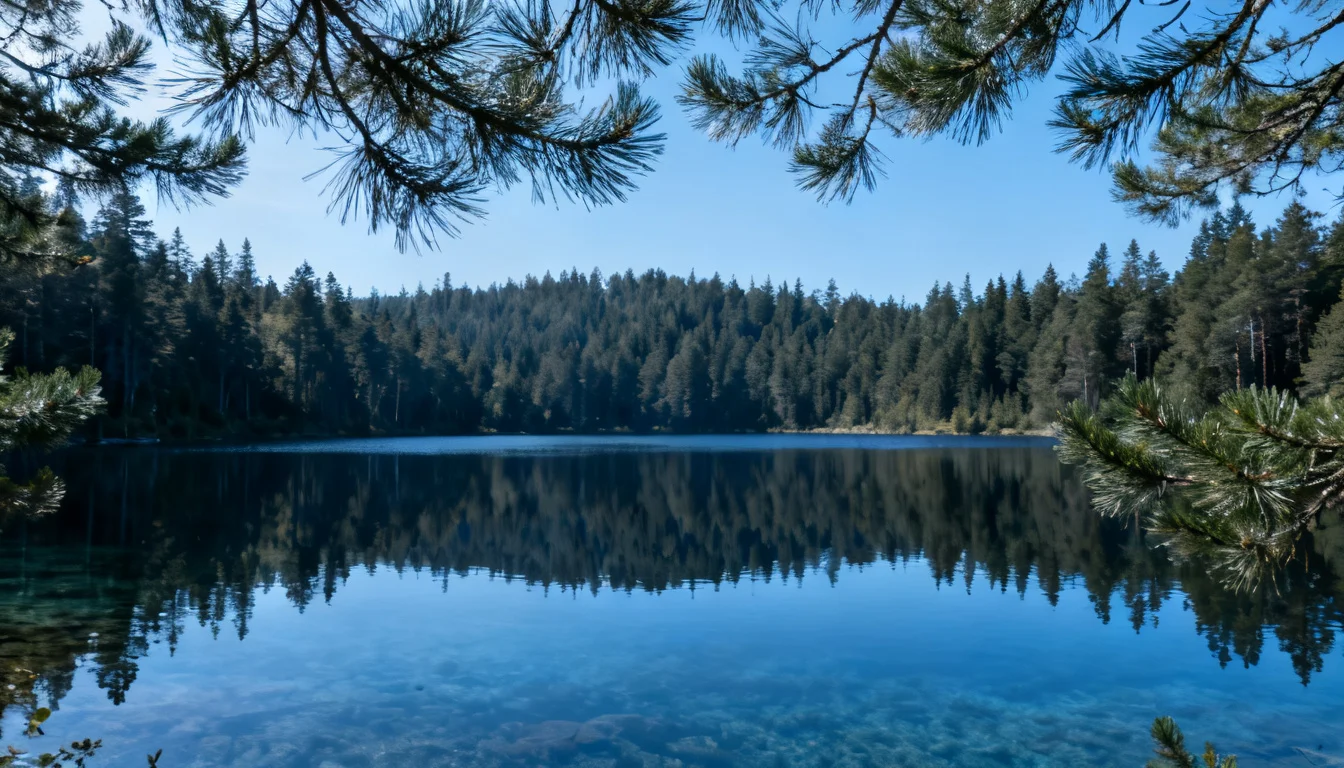
- Cold water: they need water below about 55°F — in summer this means 40–100+ feet deep
- High oxygen: lake trout need oxygen-rich deep water, which limits them to clean, deep lakes
- Structure: underwater points, humps, drop-offs, and rock reefs
- Spawning: they spawn in fall over rocky shoals and reefs (no nest-building — eggs fall into rock crevices)
Lake Trout Season
| Season | Where to Find Them |
|---|---|
| Spring (after ice-out) | Shallow — fish move to 10–30 feet, feeding on smelt and ciscoes near shore |
| Early Summer | Transition — 30–60 feet as water warms |
| Mid-Late Summer | Deep — 60–120+ feet; the classic downrigger season |
| Fall | Shallow again for spawning — 10–40 feet over reefs and shoals |
| Winter | Ice fishing — a premier laker fishery in the North |
The key pattern: lake trout follow water temperature. When the surface warms, they go deep; when it cools, they come shallow. Find the temperature layer (the thermocline) and you'll find the fish.
How to Catch Lake Trout
1. Downrigger Trolling (The Classic Deep-Water Method)
- Setup: a downrigger with a heavy weight takes your lure to a precise depth
- Lures: spoons, plugs, and flasher-fly combinations in silver, blue, and chartreuse
- Technique: troll slowly (1.5–2.5 mph) along structure edges and over deep humps
- Tip: match your depth to the thermocline and the baitfish marks on your sonar
2. Jigging (The Interactive Approach)
- Setup: a heavy jigging spoon or tube jig fished vertically
- Technique: drop to the bottom or to marked fish, then jig with sharp lifts and pauses
- Best for: deep summer and winter fish; also deadly through the ice
- Tip: tip the jig with a piece of bait (sucker meat, smelt) for extra appeal
3. Casting and Trolling Shallow (Spring and Fall)
- In spring and fall, lakers move shallow and can be caught by casting
- Lures: big spoons, swimbaits, and jerkbaits
- Best spots: rocky shorelines, points, and reef edges
4. Ice Fishing (Winter Bonus)
Lake trout are a top ice-fishing target in northern lakes:
- Gear: medium-heavy ice rod, 10–20 lb line, jigging spoons and tube jigs
- Technique: jig aggressively, then dead-stick; lakers often follow and hit on the pause
- Electronics: a flasher or sonar is nearly essential for finding deep fish
- Our ice fishing basics guide covers the fundamentals
5. Trolling with Lead Core or Wire Line
For anglers without downriggers, lead core line and wire line achieve depth while trolling. Less precise than a downrigger but effective.
Gear Summary
- Trolling: medium-heavy rod, levelwind reel, 20–30 lb braid or lead core, downrigger
- Jigging: heavy spinning or casting rod, braid, 1–3 oz jigs
- Ice: medium-heavy ice rod, 10–20 lb line, jigging spoons
- Leaders: fluorocarbon leader (lakers are line-shy in clear water)
Lake Trout Regulations
- License: required — see our fishing license guide
- Size and bag limits: vary by state and water body; Great Lakes and inland rules differ
- Season: some waters have closed seasons during fall spawning
- Special rules: many lakes have restrictive limits because lake trout grow so slowly
- Catch-and-release: encouraged, especially for large fish (a 30-inch laker may be 20+ years old)
Common Lake Trout Mistakes
1. Fishing too shallow in summer — lakers go deep when the water warms; follow the temperature
2. Trolling too fast — lake trout prefer slow presentations (1.5–2.5 mph)
3. Ignoring your sonar — find the bait and the depth, then fish it precisely
4. Heavy leaders in clear water — lakers are line-shy; use fluorocarbon
5. Keeping big fish — a trophy laker is decades old; release it if you can
6. Skipping the fall shallow bite — spawning season brings lakers into castable water
FAQ
How big do lake trout get?
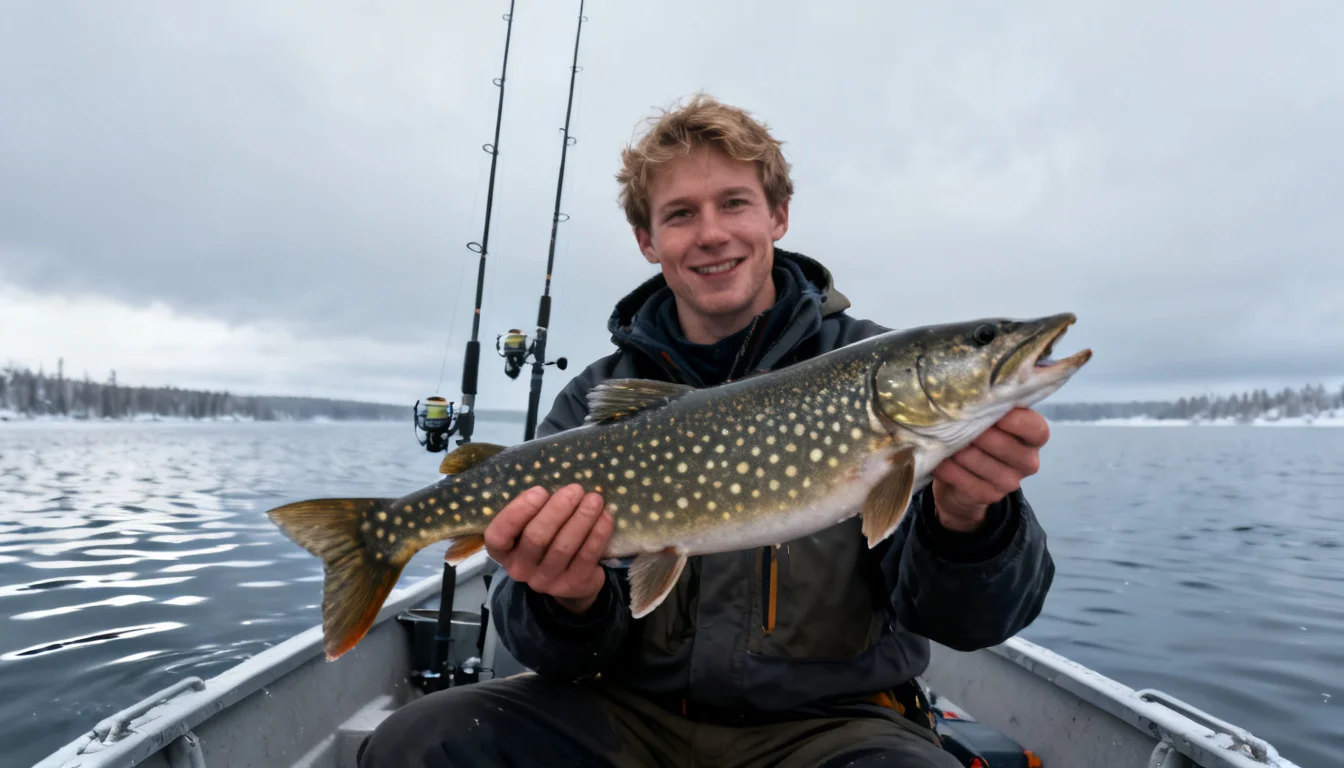
Lake trout commonly reach 2–10 pounds. Fish in the 20–30 pound class are trophies, and the record exceeds 70 pounds. They grow extremely slowly — a 30-inch fish could be 20 years old.
Where do you find lake trout in summer?
Deep water — usually 60–120+ feet, holding at or just above the thermocline where the water is cold and oxygen-rich. Use sonar to find the depth and the baitfish.
What's the best way to catch lake trout?
Downrigger trolling with spoons is the classic deep-water method. Vertical jigging with heavy spoons or tube jigs is more interactive and very effective. In spring and fall, they move shallow and can be cast for.
Can you catch lake trout from shore?
Occasionally, in spring and fall when they move shallow — casting spoons and swimbaits from rocky points and shorelines can work. But a boat (or ice) is the standard approach.
Do lake trout taste good?
Yes — lake trout have firm, mild, pinkish flesh and are excellent smoked, baked, or grilled. Larger fish can be oilier; smaller "eaters" (2–5 lb) are prized.
What's the difference between a lake trout and a splake?
Splake are a hybrid of lake trout and brook trout, stocked in many lakes. Splake have a slightly forked tail (less deeply forked than a laker) and often show brook trout-like markings, including faint red spots.
Final Checklist
1. Follow the temperature — deep in summer, shallow in spring/fall
2. Use sonar — find the thermocline, bait, and fish
3. Troll slow or jig vertically — match the method to the season
4. Go deep with the right gear — downrigger, lead core, or heavy jigs
5. Use fluorocarbon leaders — these fish are line-shy
6. Respect the rules — slow-growing fish need protection
For their stream-dwelling cousins, see our how to catch brown trout guide, and for more lake strategy, the how to fish a lake guide covers structure and seasonal patterns.