Ice Fishing Species: The Complete Guide to What Bites in Winter
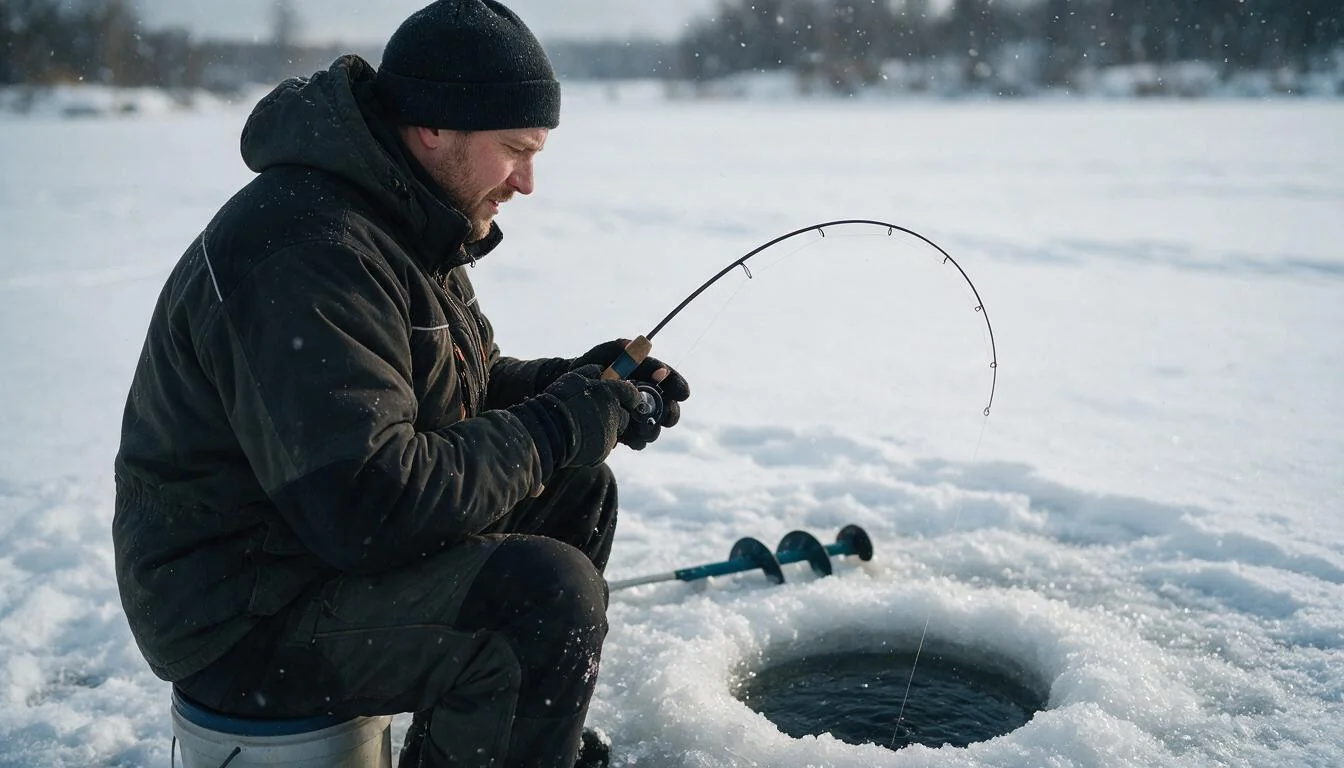
Not every fish shuts down when the lake freezes. A handful of ice fishing species stay genuinely active through the coldest months, and they're the difference between a season of stored rods and a winter of steady flags.
This guide breaks down the top winter targets one by one — where they hold, what they eat, and the exact presentation that turns a slow hole into a productive one. If you're new to the whole idea, start with our winter fishing tips guide for ice safety and the general game plan.
Why Some Species Stay Active in Winter
Cold water slows fish down but doesn't switch them off — a fish's metabolism roughly halves with every 18°F drop, so winter meals are small and rare.
The species that stay worth targeting share three traits: they school tightly, they hold to stable deep water, and they're willing to eat small, slow meals.
That's the winter pattern in one sentence — the fish don't travel far, so you come to them. Instead of covering water, you drill holes over the spots where the fish already are, drop something small in front of their nose, and wait.
Ice Fishing Panfish: Perch, Crappie & Bluegill
Panfish are the backbone of winter ice fishing across the northern half of the country. They school densely, bite all winter, and make the whole sport beginner-friendly.
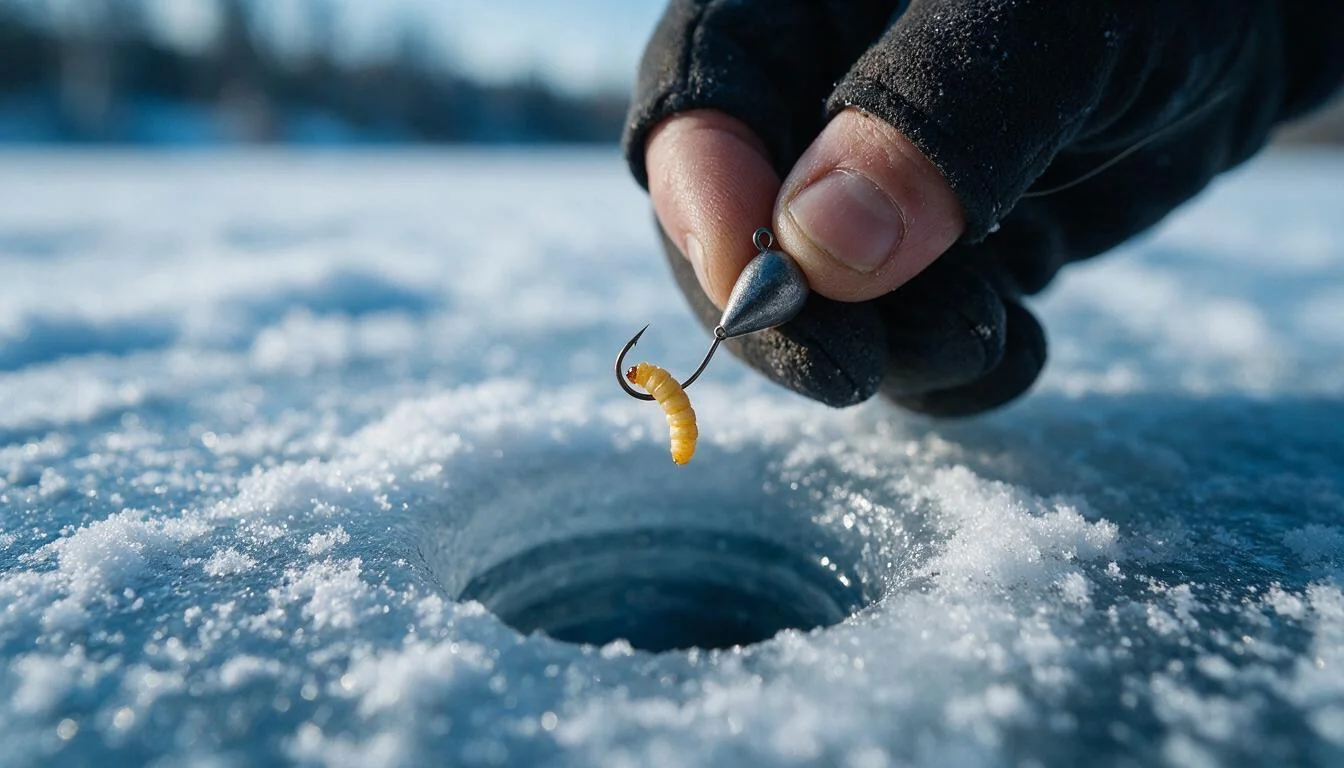
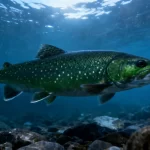
Yellow perch are the number-one ticket on hard water across the North. They hold in deep basins, tight to the bottom, and keep feeding all winter — no true dormant phase. The classic presentation is a small tungsten or teardrop jig tipped with a waxworm or spike, fished 6-12 inches off the bottom with a slow lift-and-drop. Perch strikes often come on the fall, so watch the line, not the rod tip. See our full how to catch yellow perch guide for the complete ice playbook.
Crappie are right behind them on the winter panfish list. Through the ice they suspend over deep timber and brush piles, often 5-15 feet above the structure rather than on the bottom. A tiny jig or a small minnow, worked with a very slow lift and long pauses, is the standard — crappie are light biters, so a soft, steady hookset beats a hard swing. Our how to catch crappie guide has the suspended-fish tactics dialed in.
Bluegill round out the trio. In winter they go slow and deep, hugging the bottom near weed edges, and they'll still eat tiny jigs tipped with waxworms or mealworms. The bites are subtle — a spring-bobber tip or a sensitive rod makes all the difference. The how to catch bluegill guide covers the small-bait details.
Walleye Ice Fishing: Deep Water, Slow Jigging
Walleye through the ice are a whole different game — bigger fish, deeper water, slower everything. Under the ice, walleye hold in deep basins and along river channels in 20-40 feet of water, suspending near the bottom where the baitfish school.
The classic winter setup is a minnow-tipped jig fished with slow lifts and long pauses, or a tip-up with a lively shiner for the bigger fish. Walleye are low-light predators by nature, and under the ice the midday window — roughly 10 a.m. to 2 p.m. — is when the bite is most consistent.
Strikes often come as the jig falls, so keep the line tight enough to feel the drop. The full rig rundown, including how to find the deep basins, is in our how to catch walleye guide.
Northern Pike Ice Fishing: Tip-Ups & Big Baits
For pure size, nothing through the ice matches pike. Pike stay aggressive all winter, cruising the weedy flats and edges in 5-15 feet of water, and they hit big baits that panfish anglers would never dream of.
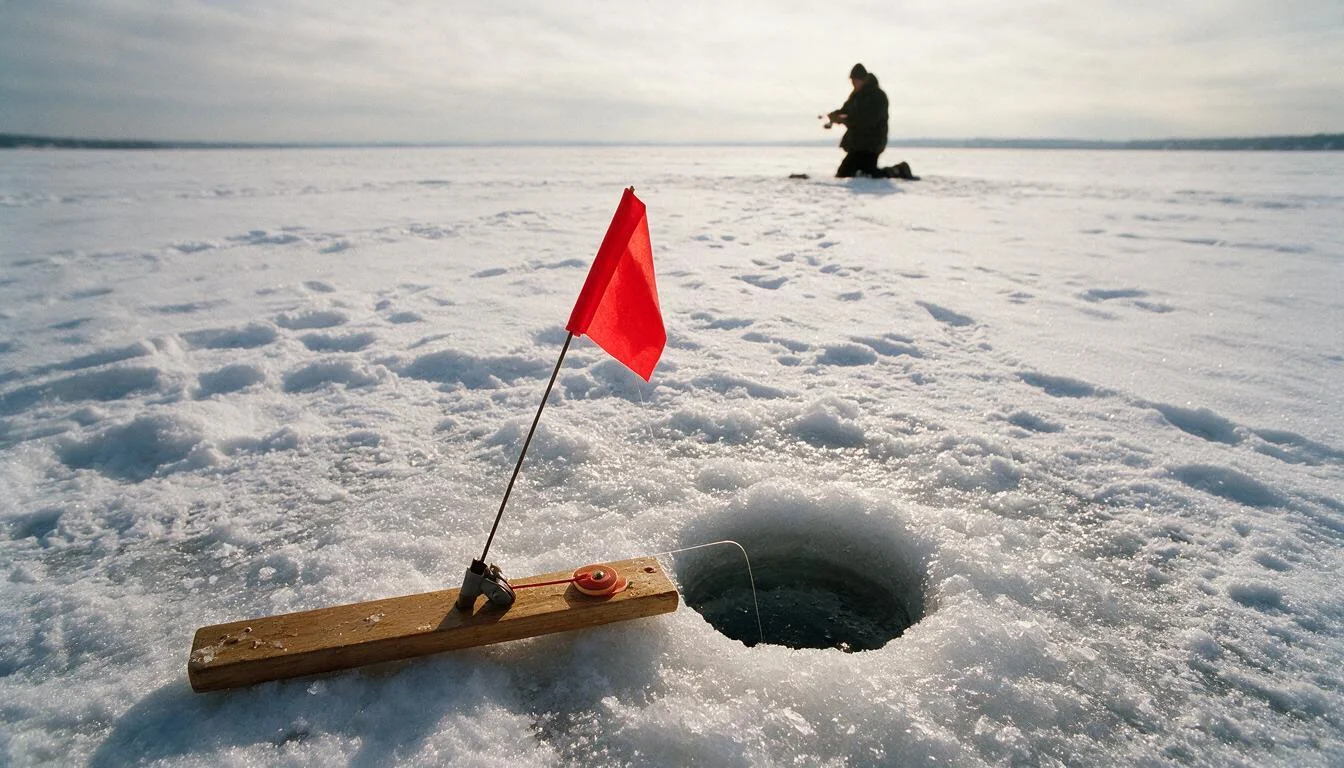
The standard rig is a tip-up with a large live minnow or sucker, set over weed edges and shallow flats. When the flag pops, the pike has usually hooked itself on the initial run.
A wire leader is non-negotiable — pike teeth slice through monofilament like thread. Our how to catch northern pike guide covers the quick-strike rigs and handling that keep both you and the fish safe.
Trout, Bass & Catfish: The Winter Specialists
Beyond the big three, a few specialists keep the ice season interesting. Rainbow trout are a real ice-fishing species too — stocked lakes across the Rockies and Upper Midwest give them up through the hard-water months.
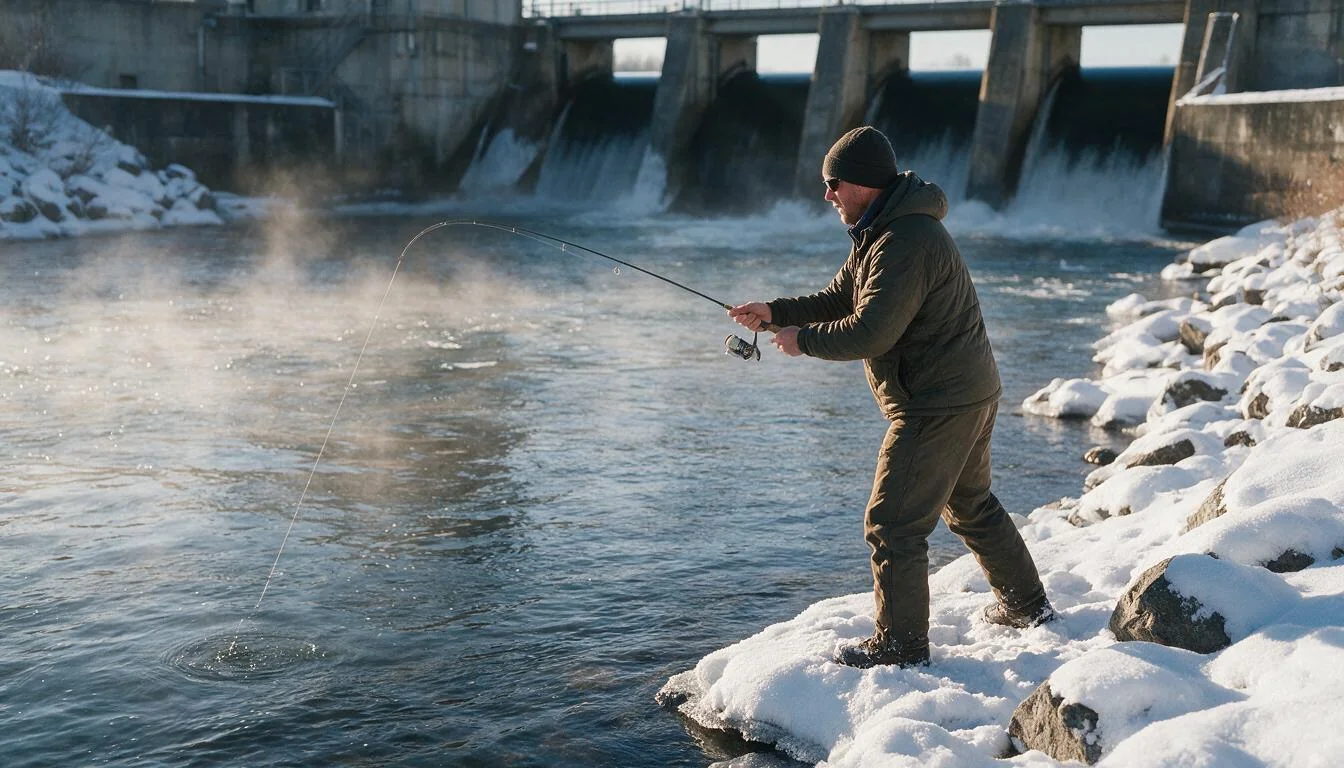
Their most dependable winter action, though, comes in the open tailwaters below dams: dam releases hold a steady mid-40s-to-50s temperature all year, which is why rivers like the White in Arkansas and the San Juan in New Mexico produce all winter.
Slow-drift a small bait or nymph near the bottom, and see our how to catch rainbow trout guide for the tailwater tactics.
Channel catfish hold in the deepest holes of southern lakes and reservoirs and keep feeding on cut bait and stinkbaits all winter. Largemouth bass slow down dramatically, but hard-core ice anglers still catch them on jigging spoons and blade baits worked near deep structure — lakes in the southern tier of the ice belt (Missouri, Kansas, Oklahoma) give the most reliable bass action under the ice.
Ice Fishing Baits by Species: A Quick Reference
Every ice-fishing bait decision comes down to matching size to the fish. Here's the winter cheat sheet:
| Species | Where They Hold | Depth | Best Bait | Presentation |
|---|---|---|---|---|
| Yellow perch | Deep basins, tight to bottom | 15-40 ft | Waxworm, spike, small minnow | Tungsten jig, 6-12 in off bottom, slow lift-drop |
| Crappie | Suspended over timber/brush | 5-15 ft above structure | Tiny jig, small minnow | Very slow lift, long pauses |
| Bluegill | Deep, near bottom, weed edges | 10-25 ft | Waxworm, mealworm | Micro jig, subtle bites |
| Walleye | Deep basins, river channels | 20-40 ft | Minnow-tipped jig, shiner | Slow jigging, tip-ups |
| Northern pike | Weedy flats and edges | 5-15 ft | Large minnow, sucker | Tip-ups, wire leader required |
| Rainbow trout | Tailwaters below dams | Bottom drift | Small baits, nymphs | Slow drift near bottom |
| Channel catfish | Deep holes in southern lakes | Bottom | Cut bait, stinkbait | Still-fishing on the bottom |
| Largemouth bass | Deep structure near cover | 15-30 ft | Jigging spoon, blade bait | Slow jigging near bottom |
Two rules apply to every row. First, fish the fall — most winter strikes come as the bait drops, so pause on the drop and wait 5-10 seconds before lifting again.
Second, plan around the two hot stretches: the first two weeks after lakes lock up, and the final push before break-up, when warming water wakes the fish up.
Ice Fishing Species FAQ
What is the best ice fishing species for beginners?
Yellow perch and bluegill are the easiest ice fishing species to start with. Both school densely, bite steadily through the winter, hit tiny baits, and are abundant in most northern lakes — which means beginners get regular action while they learn the basics of jigging and reading a spring-bobber.
How deep do walleye sit under the ice?
Walleye usually hold in 20-40 feet of water through the winter, hugging the bottom of deep basins and river channels where baitfish school. Use a fish finder or count your jig down to their depth, then fish with slow lifts and long pauses.
Do crappie bite through the ice?
Yes — crappie are one of the most reliable winter panfish. They suspend over deep timber and brush piles, often 5-15 feet above the structure, and they bite best on tiny jigs and small minnows fished with slow, patient lifts.
Can you catch bass while ice fishing?
You can, though it's a different game. Largemouth bass slow way down in cold water, but jigging spoons, blade baits, and tip-ups with shiners fished near deep structure will still produce — especially in the southern tier of the ice belt, where the winter bite is more reliable than in the far North.
What do you use for pike ice fishing?
Tip-ups baited with large live minnows or suckers, set over weedy flats in 5-15 feet of water, are the standard pike rig. A wire leader is non-negotiable — pike teeth slice through monofilament like thread — and the biggest bites often land in the first two weeks of ice or the final weeks before break-up.
How thick does ice need to be to fish on?
Four inches of clear, sound ice is the standard minimum for walking and ice fishing on foot. Clear blue ice is the strongest; white or cloudy ice is roughly half as strong, so double the thickness requirement. Always check the ice as you go — and when in doubt, find a spot where other anglers are already out.
The Bottom Line
The best winter targets all share one habit: they school up in stable deep water and keep eating small, slow meals all winter. Perch, crappie, and bluegill carry the panfish bite, while walleye and pike add size.
For the full picture of why fish shift the way they do through the year, our seasonal fish movement guide covers the rest of the calendar.
Tailwater trout keep the action going where there's no ice at all. Fish the fall, fish the midday window, and fish the structure — winter doesn't have to be the off-season.