Fall Fishing Guide: How Fish Feed Before Winter and Where to Find Them
Fall fishing is the season anglers circle on the calendar. As lakes and rivers cool out of the 70s and 80s, fish shift into an aggressive feeding mode that makes the next few weeks the best of the year.
Every species from bass to walleye is packing on weight for winter, baitfish are on the move, and the water column is open from top to bottom.
If you want to hook the biggest fish of your year, this is when it happens — and this guide walks through the patterns, baits, and locations that put fish in the boat.
Fall Water Temperature: Why Fish Feed Hard in Cooler Water
Water temperature runs the whole show. Through summer, fish spread across a lake and feed in short windows because warm water holds less oxygen.
As surface temperatures drop from the low 70s toward the 50s, that equation flips. Cooler water holds oxygen better, fish feel the approaching winter, and their instinct is to feed as much as possible.
The sweet spot for most freshwater game fish sits roughly between 55 and 65°F. In that band, bass, walleye, pike, and trout are all comfortable enough to roam and hungry enough to chase.
Cool-water species like walleye, and cold-water trout, actually get more active as the water cools, while warm-water fish like bass simply shift their schedules to match the bait.
One warning: those first cool nights of September don't instantly transform a lake. Early fall often still behaves like late summer, with fish holding deep through the day and moving shallow in low light. The real transition arrives when water temperatures drop steadily for a week or two.
Fall Turnover: When the Lake Mixes and the Bite Resets
Every northern lake goes through fall turnover, and it changes the fishing for a while. All summer, a lake stratifies: warm water sits on top, cold water stays below, and a thermocline separates them.
When surface water cools into the 50s, it becomes denser than the water beneath it (water is densest at 39°F) and sinks. The lake mixes from top to bottom, and the thermocline disappears.
During turnover, fishing gets tough. The mixing churns up the water column, fish go suspended and scattered, and the bite can shut down for a week or two. Cloudy water, floating debris, and that faint "lake smell" are the classic signs it's happening.
The good news: turnover is a reset, not a dead end. Once the lake finishes mixing and re-stabilizes, fish spread through every depth and feed hard to recover. This post-turnover period is often the best fall window of all.
If your home lake is turning over, consider smaller reservoirs, rivers, or ponds that mix differently — or just fish slowly and tight to cover until it settles.
Fall Feeding Patterns: Packing On Weight Before Winter
Fish don't know what a calendar is, but they absolutely know winter is coming. Shorter days and dropping temperatures trigger a biological signal: store fat now or starve later. The result is a feeding frenzy that old-timers describe as fish "putting on the feedbag."
These fall feeding patterns show up in predictable ways. Fish roam more instead of holding in one spot. They chase baitfish aggressively rather than waiting for food to drift by. And they're far more willing to hit lures that imitate a meal — which is why fall is famous for reaction strikes on fast-moving baits.
This is also why fall is the season of big fish. Trophy bass, walleye, pike, and trout all put on serious weight between September and November. A lake's biggest fish are usually the hungriest, and they're less wary in cooler water. If your goal is a personal best, this is the window to plan around.
Shad Migration: Follow the Bait and You'll Find the Fish
In much of the country, the fall bite comes down to one word: shad. Gizzard shad and threadfin shad school up in huge numbers as the water cools, then push into the backs of creeks, coves, and feeder rivers.
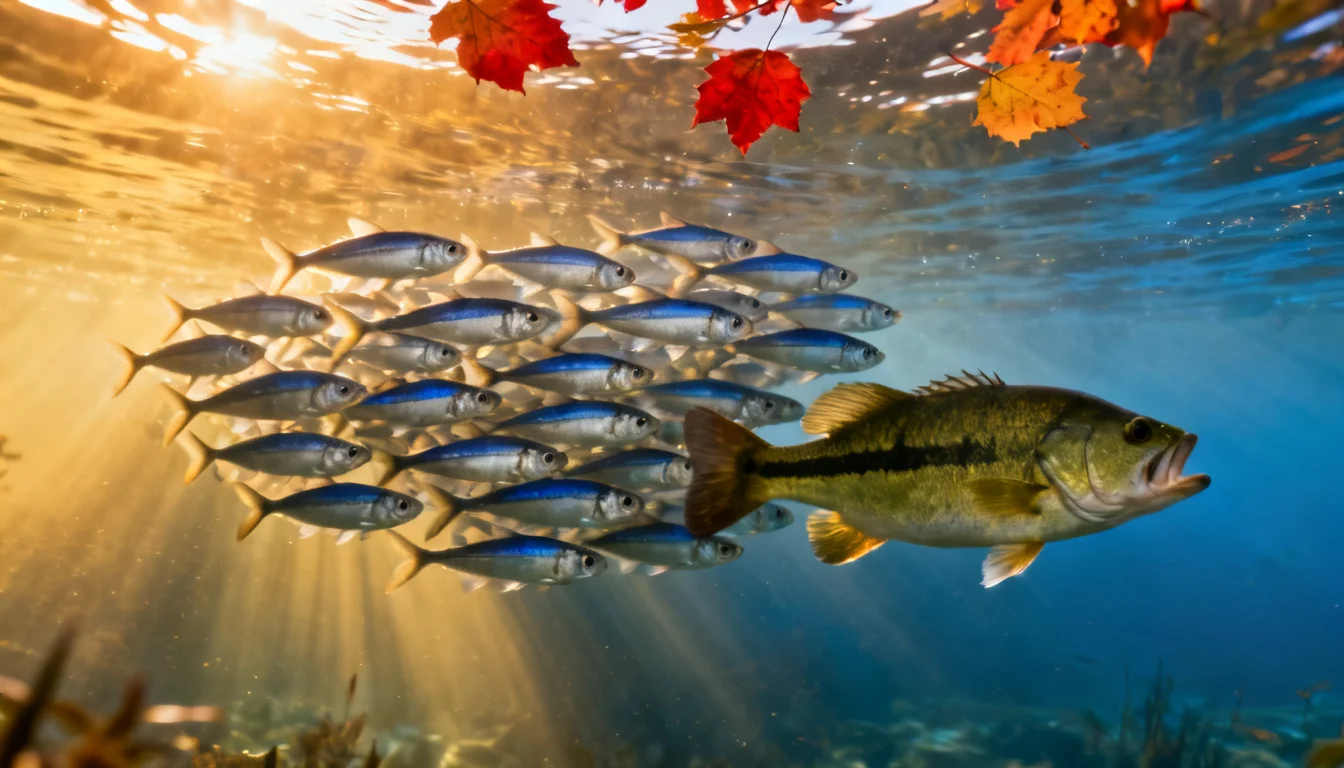
Predators don't chase shad across open water if they can pin them against a shoreline instead — so bass, walleye, and stripers herd the schools into pockets and gorge.
Watch for the signs: birds diving on shad, bait flickering on the surface at dawn, and wakes pushing across flats. A shad migration is the closest thing fishing has to a map. Find the bait, and you find the fish that eat it.
Threadfin shad dominate southern reservoirs and die off in cold snaps, which can trigger short, violent feeding binges as predators clean up.
Gizzard shad, which tolerate colder water, drive the fall bite across most of the Midwest and South. On lakes without shad, the same pattern plays out with whatever baitfish lives there — bluegills, shiners, and smelt all school up in fall.
Match the hatch with shad-colored lures: white, silver, and chartreuse crankbaits, jerkbaits, and spinnerbaits get the most bites. A wind-blown bank or point where the waves push baitfish into a corner is worth more than a dozen calm-water spots.
Fall Bass Fishing: Follow the Baitfish
Fall bass fishing is a shallow-water game. As water temperatures drop into the 60s, largemouth and smallmouth leave their summer haunts and follow baitfish into creek arms, backwaters, and along weed edges. River smallmouth key on crayfish and shiners along current breaks.
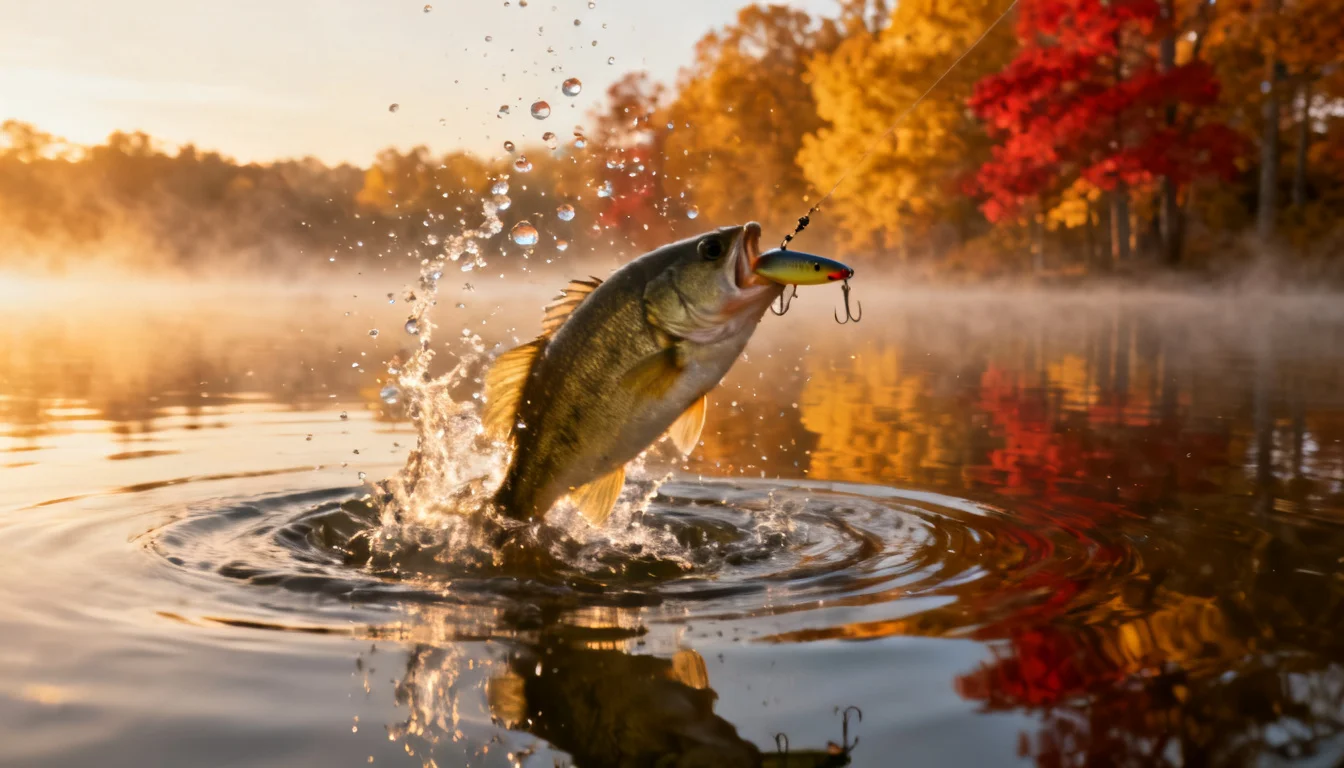
Early in the season, topwater plugs in the low light are devastating. As the water cools further, bass turn to shad imitations fished faster — crankbaits, spinnerbaits, and jerkbaits along wind-blown points.
The bass will stay shallow as long as the bait stays shallow. On lakes with a strong shad population, that can mean fishing in 2 to 8 feet of water in November, which surprises anglers used to deep summer patterns.
When a cold front pushes shad deeper or suspends them, bass follow — and that's when a slow-rolled spinnerbait or a jig dragged along the bottom takes over.
If you want the full playbook of lures, rigs, and seasonal locations, our largemouth bass fishing guide breaks down the patterns in detail.
What's Biting in Fall: Walleye, Pike, Trout & More
Fall spreads the action across the whole fish menu, not just bass.
Walleye feed aggressively all fall, and they're one of the best cool-water targets you'll find. They follow shad and shiners into shallower water at dusk and after dark, which makes fall evenings prime time. Troll crankbaits along breaklines or cast jigs tipped with a minnow.
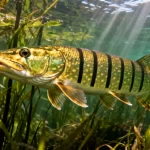
Northern pike never stop eating, and fall turns them into pure predators. They stack up along weed edges and creek mouths where baitfish are corralled, and they'll smash fast-moving lures — spoons, spinnerbaits, and big jerkbaits with a wire leader.
One fall-specific window worth planning around: the first cold front of late October, when pike slide into shallow bays to gorge before the ice settles in. See the northern pike fishing guide for the full setup.
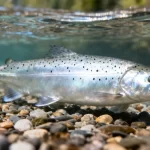
Fall is the brown trout's spawning season. From October into December, browns move into tributaries and gravel runs, and the big fish get aggressive — streamer fishing in the fall can be spectacular. Rainbow trout feed hard too, and in the Great Lakes region steelhead start their fall runs up the rivers.
Yellow perch school up tight in fall and bite steadily all day. They're the perfect break from trophy hunting — light tackle, small jigs, and a bucket of keepers by lunchtime.
Channel and blue catfish feed heavily in fall and aren't afraid of cold water. Cut bait and shad chunks fished on the bottom in deeper holes keep producing until the water drops into the 40s.
Where and When: Depths, Structure, and Best Times of Day
One of the great things about fall is that the entire water column is in play. Summer pins fish to a thermocline; fall frees them. In early fall, fish still hold deep and come shallow only in low light.
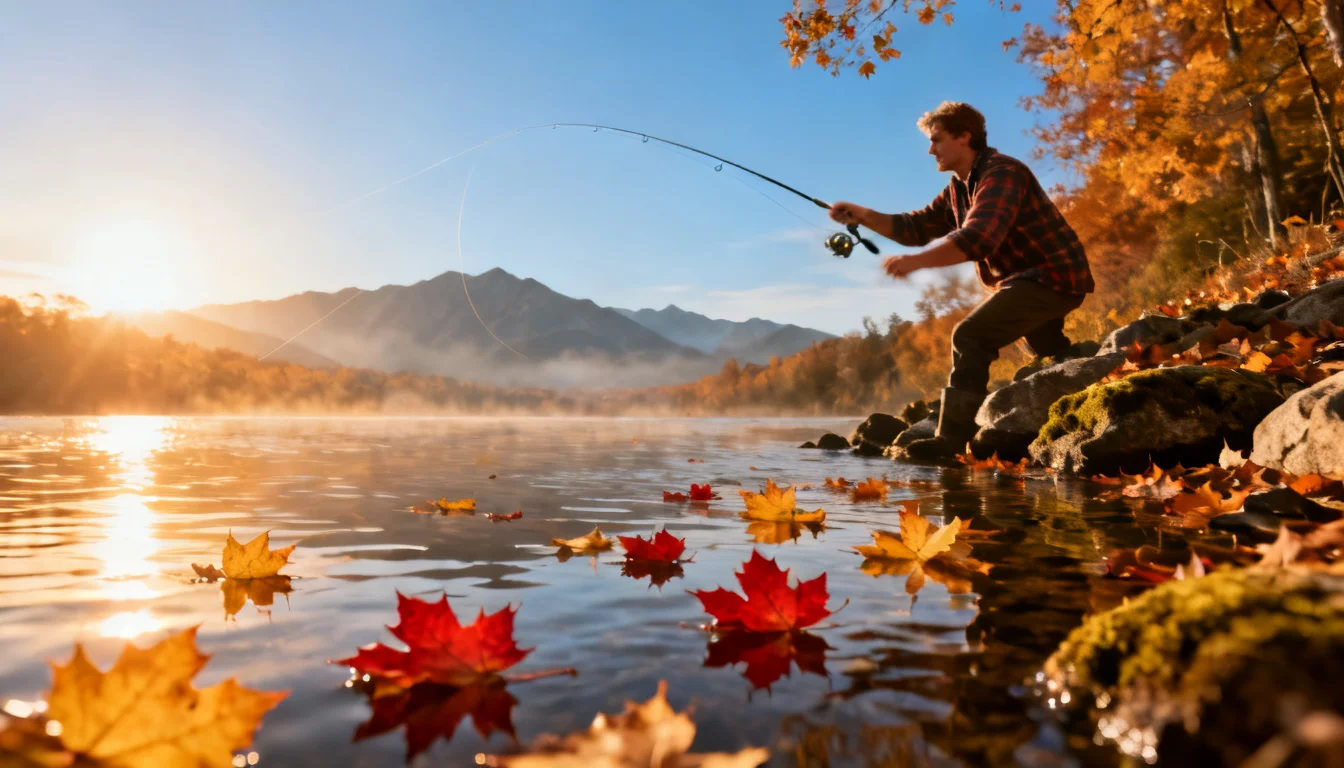
By mid-fall, they roam freely — mornings on shallow flats, midday suspended over deeper structure, evenings back on the banks. After turnover, there is no wrong depth, only the depth where the bait is.
Structure matters more than ever. Creek mouths, main-lake points, wind-blown banks, and the first drop-off near shallow flats all concentrate bait and predators. Riprap and rocky shorelines hold warmth and draw shad, which draws everything else.
The best time of day is often all day. When water temperatures sit in the 50s and 60s, fish stay comfortable and feed through the middle of the day, not just at dawn and dusk. The low-light windows remain the topwater show, but don't pack up at noon.
The day before a cold front is a classic fall setup: a falling barometer and stirring wind push bait shallow and switch on the bite. In contrast, the bright, calm days right after a front often fish slow.
Fall Gear: Bigger Baits, Heavier Line
Fall gear is mostly about matching the baitfish and handling bigger fish. Where summer called for finesse, fall rewards a step up in profile:
- Bigger lures. Shad imitations in 3- to 5-inch sizes — crankbaits, jerkbaits, swimbaits, and spinnerbaits — get more strikes than small offerings. Fish are looking for a meal, not a snack.
- Heavier line. Trophy fish are on the menu, so bump up your line class. Braid or mono in 12- to 17-pound test covers bass and walleye; pike need a wire or heavy fluorocarbon leader.
- Live bait works. Threading a shiner or shad on a hook under a bobber or free-lining it along a wind-blown point catches fish when the lure bite slows.
- Slow down after turnover. Once the water drops into the 40s, fish metabolism slows and presentations get slower. A crawler harness, a jig with a minnow, or a slow-rolled blade will outfish a fast retrieve.
Keep it simple: shad-colored moving baits when the bite is hot, live bait and slow presentations when it isn't.
Fall Fishing by Region: North, South & West
Fall doesn't arrive everywhere at once, and the calendar shifts by latitude.
North (Great Lakes, Upper Midwest, New England). Fall is short and early — September and October are the peak. Turnover happens fast, and by late October pike and walleye are already feeding hard ahead of freeze-up. Ice-fishing season isn't far behind, so fall windows are precious.
South (Texas, Southeast, Mid-Atlantic). Fall is long, stretching from late September into December. The shad migration is the headline act, and fall bass fishing stays strong deep into the season. Threadfin shad die-offs in cold snaps create explosive feeding windows that savvy anglers plan around.
West (Rockies to the coast). Reservoirs and rivers rule. Fall draws trout into shallower water and triggers brown trout spawns in streams, while reservoir bass and walleye follow baitfish into the backs of coves. Mountain lakes turn over earlier at elevation, so check local conditions.
FAQ
Can you catch fish during fall turnover?
Yes — it just becomes a different game. Fish suspend and scatter while the water column mixes, so slow down and cover water: deep-crank the breaklines, vertically jig the drop-offs, or move to a river, pond, or smaller reservoir that mixes faster and keeps a bite going.
A dropping barometer day can still trigger a brief feeding window even mid-turnover.
How deep should you fish during fall turnover?
There's no single answer — that's the point of turnover. During the mixing itself, fish go suspended and scattered, so try several depths until you find them.
After the lake stabilizes, fish spread across the entire water column and you can find active fish from the surface down to 20 feet or more. If the water is cloudy and fish are scattered, slow down and cover water with moving baits until you locate a school.
Is fall fishing good from shore?
Very good, and often overlooked. Fall's shallow-water pattern puts fish within casting range of the bank at creek mouths, wind-blown points, and riprap shorelines, especially in the morning and evening.
Bank anglers can work the same shad schools the boats are chasing — just read the wind and fish the side of the lake where the bait is getting pushed.
Is fall a good time to catch big bass?
It's the best time of the year for many lakes. Bass feed aggressively to store fat before winter, and the largest fish are often the most willing to strike.
Shad migrations concentrate both the bait and the bass, and cooler water means bass roam more instead of holding deep. Personal-best bass are caught in fall on everything from topwater to crankbaits.
Do fish still bite in late fall when the water is cold?
Yes, but slower. Once water temperatures drop into the 40s, metabolism slows and fish hold tighter to structure, but the feeding never fully stops until ice forms.
Slow presentations — jigs with minnows, crawler harnesses, and live bait fished on the bottom — keep producing for walleye, pike, catfish, and perch right up to freeze-up. In southern waters, the fall bite can run all the way to Christmas.
The Bottom Line
The fall season rewards anglers who pay attention to the water. Cooler temperatures trigger a feeding frenzy that makes fish aggressive and puts the biggest fish of the year within reach.
Follow the shad, work the wind-blown banks and creek mouths, and don't be afraid to fish the whole water column. Whether you're hunting trophy bass, evening walleye, or spawning brown trout, the fall patterns in this guide will put you on the bite.