Aquarium Cycling: How to Grow the Bacteria Before You Add Fish
Fish can't survive in a brand-new tank, and the reason isn't dirty water. Aquarium cycling is the work of growing two bacterial colonies that convert fish waste into compounds you can manage.
Skip it and you get new tank syndrome: ammonia climbing for days, fish gasping at the surface, and water changes that treat the symptom instead of the cause. Here is how to cycle a new aquarium without losing fish.
A cold-start tank commonly takes about six weeks of daily testing, and the numbers you write down tell you more than any bottle you can buy. Freshwater Aquarium for Beginners covers the setup side; this article covers the weeks that follow.
The Nitrogen Cycle Aquarium Owners Build From Scratch
Every fish releases ammonia through its gills and its waste. Uneaten food and dying plant leaves add more. In a lake, that ammonia dilutes into an enormous volume of water. In a 20-gallon tank, it has nowhere to go.
Nitrifying bacteria do the cleanup. The first group — ammonia oxidizers like Nitrosomonas — pulls oxygen out of the water and converts ammonia into nitrite. The second group, nitrite oxidizers such as Nitrospira, pushes the reaction one step further and turns nitrite into nitrate.
For decades, aquarium books credited that second step to Nitrobacter. DNA studies in the 1990s showed Nitrospira is the usual worker inside home filters, which is why older guides name the wrong genus.
Nitrate is the end of the line. It's far less toxic than the two compounds ahead of it, and you remove it with routine partial water changes and fast-growing plants. Ammonia to nitrite to nitrate, with bacteria as the engine at both steps.
Why a Brand-New Tank Can't Hold Fish
Ammonia is the compound that kills fish in new setups. Readings above roughly 0.25 ppm stress them, and concentrations in the 2-4 ppm range can finish a fish in a day or two.
That's the whole story behind new tank syndrome. The filter is running, the water looks clear, and ammonia keeps climbing because nothing in the tank consumes it yet. A power filter or a cartridge full of carbon does not remove ammonia — only living bacteria do.
Symptoms to watch for when fish are already in the water:
- Gasping at the surface or hanging in front of the filter outflow
- Clamped fins, lethargy, and refusal to eat
- Red or inflamed gills
- Fish dying one after another over a few days
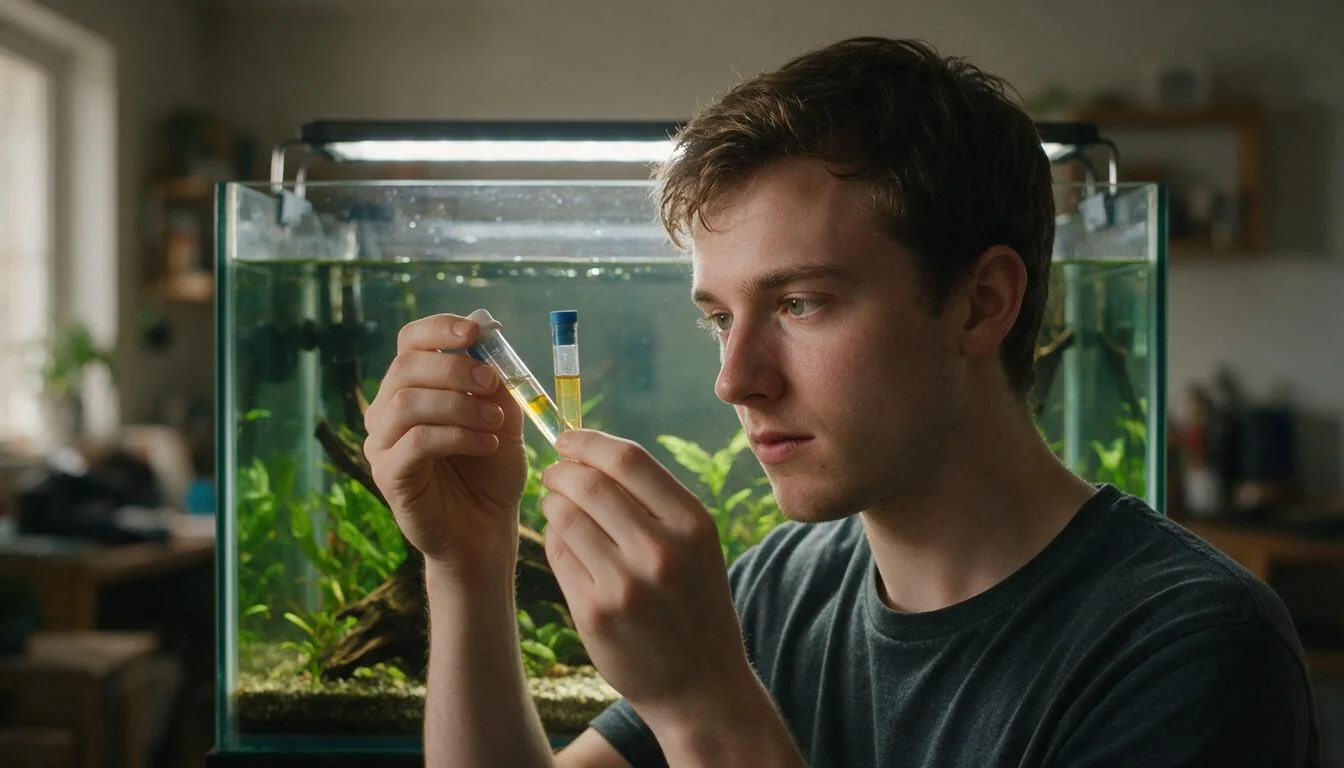
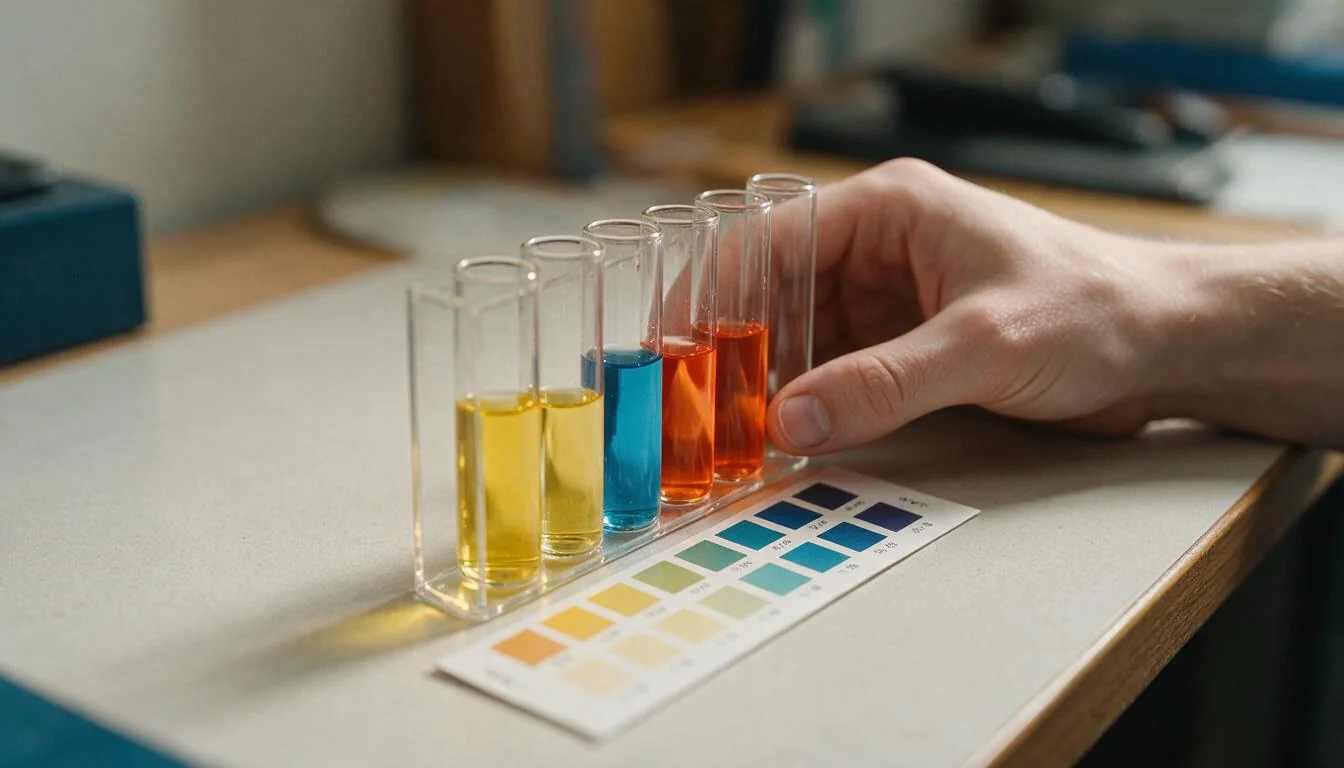
Test strips are close to useless here. Most read coarse color blocks and miss the low range where ammonia starts hurting fish. A liquid drop kit with a comparator card costs a little more and answers the question you're actually asking.
Three Ways to Get the Cycle Moving
Fishless with pure ammonia. You dose an empty tank and feed the bacteria directly. No fish are exposed to anything, the timeline is predictable, and you can dose as heavily as the colony can handle. This is the default for a reason.
Fishless with a starter culture. Bottled bacteria products and a handful of filter media squeezed from a healthy, established tank both seed the filter with live beneficial bacteria that break ammonia down from day one. Combined with ammonia dosing, seeding can shave two or three weeks off the process.
Fish in the tank. The fish make the ammonia. It works, and it was the standard method for decades, but it means daily testing, frequent water changes, and weeks of low-level ammonia exposure for the animals paying for your patience.
A fourth option people try: drop a pinch of fish food or a piece of raw shrimp in and let it rot. It produces ammonia, but the amount is a guess, the water gets foul, and you can't control the dose.
The Fishless Cycle, Step by Step
1. Set the tank up completely first — filter running, heater at 78-80°F, substrate in, water dechlorinated. If your water utility uses chloramine, use a conditioner that breaks the chlorine-ammonia bond. 2. Dose ammonia to roughly 2 ppm. Use pure ammonia with no surfactants or fragrance, or ammonium chloride sold for aquarium use. Test with a liquid drop kit. 3. Test ammonia and nitrite every day or two. Redose to about 2 ppm whenever ammonia drops toward zero. Most guides keep the level between 2 and 4 ppm and won't let it climb past 5. 4. Wait through the slow part. Nitrite shows up somewhere in the second week, and it will look alarming before it looks better. 5. Watch for nitrate. Once nitrate is measurable, both groups of bacteria are working and you're near the finish. 6. Confirm with a full dose. Ammonia back to 2 ppm, both ammonia and nitrite back to zero inside 24 hours. 7. Change most of the water — 50 to 90 percent — to strip the accumulated nitrate, then add fish.
Reading the Numbers: Ammonia, Nitrite, and Water Changes
| Reading | What it means | What to do |
|---|---|---|
| Ammonia 2-4 ppm, nitrite 0 (fishless tank — no fish in the water) | Dose landed, bacteria still thin | Keep testing, wait |
| Ammonia falling, nitrite rising | First group is active | Keep feeding ammonia |
| Ammonia 0, nitrite high | Second group is still lagging | Wait it out |
| Ammonia 0, nitrite 0, nitrate rising | Both groups working | Run the confirmation dose |
| Nitrate 40+ ppm, ammonia 0 | Cycle done, waste has piled up | Big water change before fish |
Temperature matters more than most beginners expect. Nitrifiers work fastest in the high 70s, which is also a comfortable range for most tropical community fish. A tank sitting at 68°F will cycle, just slower.
Alkalinity is the quiet failure point. Nitrification consumes bicarbonate, and in soft water the carbonate buffer can run out. When it does, pH drops and the cycle stalls with ammonia and nitrite both stuck high.
Nitrite is why fish-in cycling is risky. It converts hemoglobin into methemoglobin, so a fish's blood stops carrying oxygen even in well-oxygenated water. With fish in the tank, nitrite above 0.25 ppm means a partial water change now, then more until the colony catches up.
In a fishless cycle, high nitrite is progress rather than an emergency. Many keepers leave the tank alone unless nitrite climbs past 5 ppm, where it can slow the second bacterial group. Water changes also strip out the ammonia you dosed.
If nitrite sits at the top of the chart for three weeks or more, look at conditions rather than the calendar: check KH and pH, confirm the temperature, and check for anything chlorinated.
How Long It Takes, and What Speeds It Up
A cold start with no help typically runs 4 to 8 weeks. Add a bottled starter and seeded media and 2 to 3 weeks is realistic. University of Florida guidance puts biofilter establishment at three to eight weeks at 77-80°F, with more time needed in cooler water; Texas A&M's own figure is 4 to 6 weeks.
A peer-reviewed study of three home aquariums tracked the same process: two tanks reduced ammonia and nitrite to undetectable levels by week 3, and the third took 8 weeks. Identical equipment, different bacteria, very different clocks.
What shortens the wait:
- Warm water in the high 70s
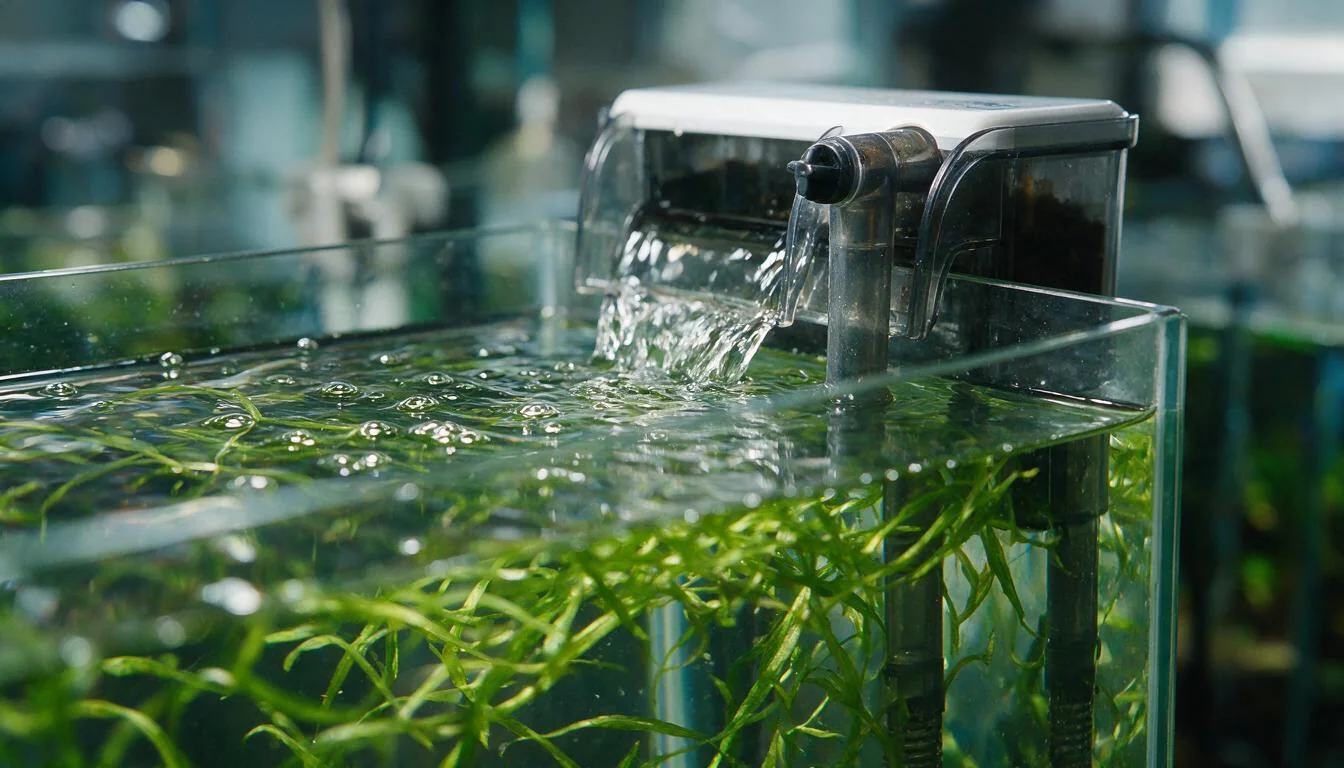
- Strong surface movement for oxygen
- pH in the neutral range with KH to spare
- A dose held in the 2-4 ppm window
- Live nitrifying bacteria from a trusted source
What drags it out: cold water, a filter with no flow over the media, dechlorinator skipped, or an ammonia dose so high the colony can't keep pace.
Protecting the Colony After the Cycle
The bacteria live in the filter media, the substrate, and every surface in the tank — not in the water. Rinse media in a bucket of tank water, never under the tap, because chlorine and chloramine kill the colony you just spent a month growing.
Skip the monthly cartridge replacement if you can rinse instead. Feed lightly for the first month, add new fish a few at a time, and test ammonia for a week after each addition. If you have to treat the tank with an antibiotic, expect an ammonia spike and a mini-cycle.
Bait tanks run into the same math. If you keep minnows or shiners alive between trips in a bucket or spare tank, ammonia builds the same way and regular water exchanges are how you stay ahead of it — our live bait care guide covers that routine.
FAQ
How long does it take to cycle a new aquarium?
Plan on 4 to 8 weeks if you're starting from scratch with no help. A bottled bacteria starter plus a handful of filter media from an established tank can bring it down to 2 or 3 weeks. Water temperature and KH swing the timeline more than any additive.
Can I cycle a tank with fish in it?
Yes, but it's the riskiest version. Stock very lightly with hardy species, test ammonia and nitrite daily, and change water whenever either climbs. The cycle will finish, and the fish spend those weeks under chronic low-level exposure to compounds that damage gills.
Should I do water changes during a fishless cycle?
Usually not. A fishless tank has no animals to protect, and the ammonia and nitrite you're seeing are the fuel the bacteria feed on.
The one exception is nitrite. If it climbs past about 5 ppm it can stall the second bacterial group, so a 30-50% water change is worth it then and only then. Otherwise leave the tank alone and keep dosing ammonia, then do one large change at the end to clear nitrate before fish go in.
Why is my nitrite still high after four weeks?
The second group of bacteria grows more slowly than the first, so a long nitrite spike is normal. Check that the temperature is in the high 70s, that KH hasn't dropped to zero and crashed the pH, and that nothing chlorinated has entered the tank. Sometimes it just needs another two weeks.
Do bottled bacteria products work?
Live nitrifying bacteria products can shorten a cycle, but they aren't a skip button. The bacteria still need ammonia to eat, time to colonize media, and decent water conditions. Products that are shelf-stable for years are usually the wrong organisms for the job.
How do I know when the cycle is finished?
Dose ammonia to 2 ppm and test 24 hours later. If ammonia and nitrite both read zero and nitrate has risen, the biofilter is established. Passing that test twice in a row means the colony is big enough for a light fish load.
The Bottom Line
Aquarium cycling isn't complicated, it's just slow. Feed the bacteria ammonia, keep the water warm and oxygenated, and test until a full dose clears within 24 hours. That's the only finish line that counts.
Start with a light load of hardy fish — easy aquarium fish lists low-maintenance species that tolerate a beginner's early mistakes — and add more slowly over the first two months.