Topwater Fishing Guide: Triggering the Surface Strike
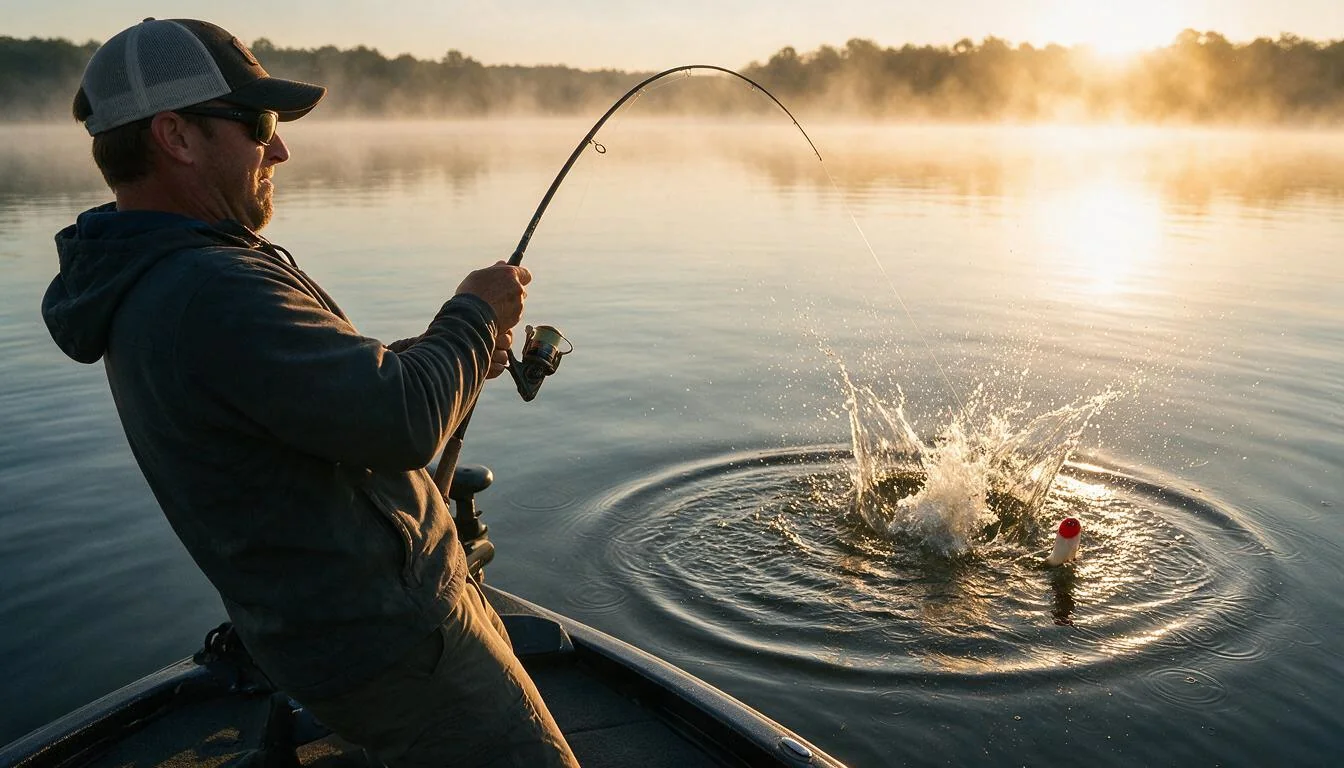
Somewhere in every angler's memory sits one moment that ruined them for boring fishing: the water erupting six feet from the bank, a bass launching through the splash, and line screaming off the reel. That moment is topwater fishing, and it's the most exciting way to catch freshwater fish in North America.
Topwater fishing means working lures that float on the surface, imitating a baitfish, frog, or insect. The strike is visible, violent, and unforgettable — but the technique is more technical than it looks. Surface lures have their own rules for timing, retrieve, and hookset.
This guide covers the topwater lures that matter, when to throw them, how to work each one, and the mistakes that cost anglers the fish of the trip.
What Is Topwater Fishing?
Topwater fishing is the art of tempting fish to feed at the surface instead of below it. The lure floats or stays on top, and the presentation is built around noise, commotion, and silhouette rather than depth and speed.
Predators attack from below for a simple reason: a meal on the surface is trapped. It can't escape downward without exposing its belly, and the commotion it makes broadcasts its position to every fish in the cove. That vulnerability is what makes surface strikes so explosive — the fish commits hard because the opportunity is brief.
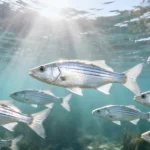
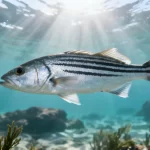
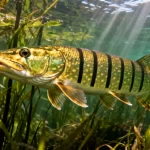
The technique works on more species than most anglers expect. Largemouth bass are the classic target, but smallmouth bass, northern pike, muskie, striped bass, peacock bass, and even big bluegill and crappie crush surface lures in the right conditions.
One trick borrowed from Chinese lure anglers is worth stealing: listen before you cast. They read surface strikes by ear — sharp, popping bursts mean a fish chasing baitfish; one heavy splash means an ambush; a string of small boils means panfish herding bait. If you hear the pattern, you know what's feeding and can match your lure to it.
If you want the full behavior side of the top species, our largemouth bass guide walks through where they feed and how to rig for them.
Topwater Lures: The Surface Bait Families That Matter
Topwater lures come in a handful of families, and each one makes a different kind of noise. Matching the lure to the water and the cover is half the game. These are the topwater lures worth owning:
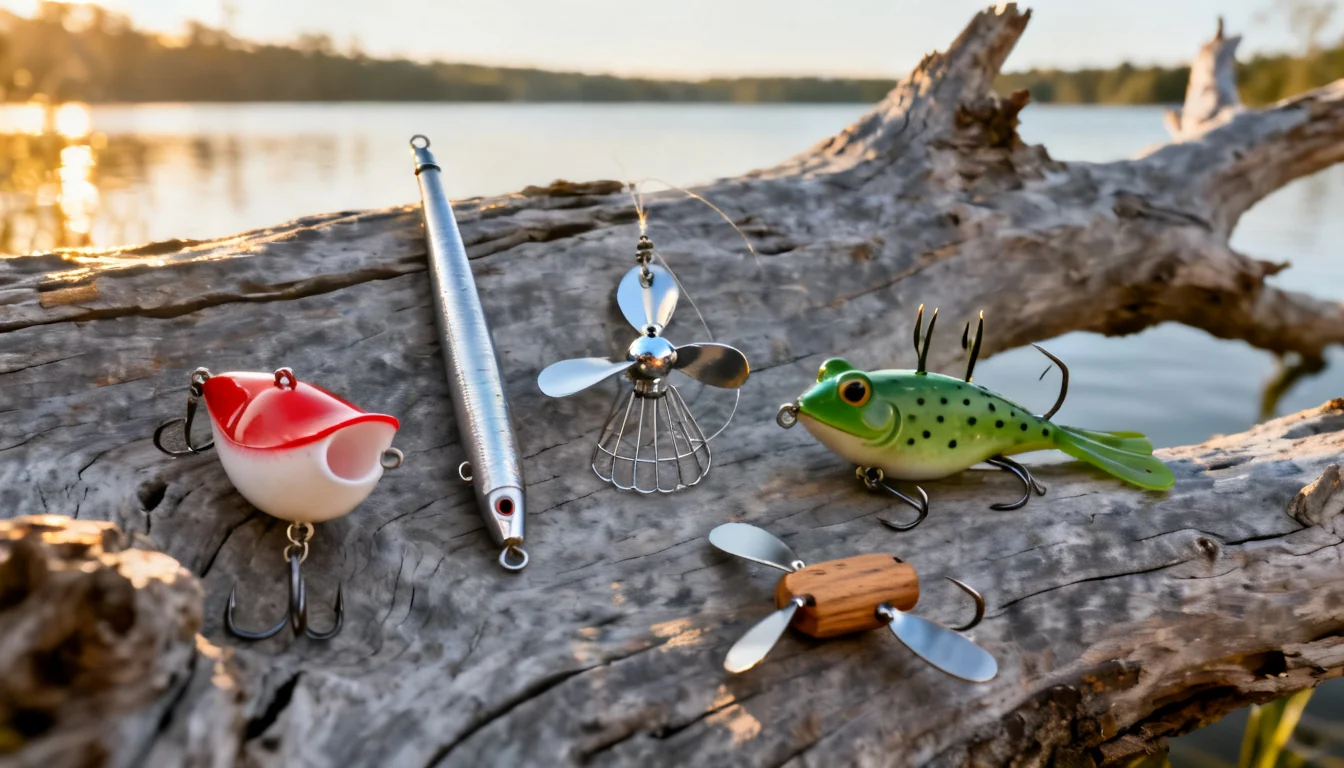
- Popper. A concave face that "pops" when you jerk the rod, throwing a splash of water forward. The classic all-rounder for bass in open water, around docks, and along weed edges. Bigger, deeper-cupped "chugger" versions throw more water and are a favorite for stripers and muskie.
- Walking bait (stick bait). A long, slender plug with no diving lip. Worked side to side in a zigzag — the famous "walk the dog" action — it imitates a wounded baitfish skipping along the surface.
- Buzzbait. A spinning blade on a wire frame that churns a wake over the surface. You reel it straight and steady; the blade does the work. A top choice for covering water fast in low light.
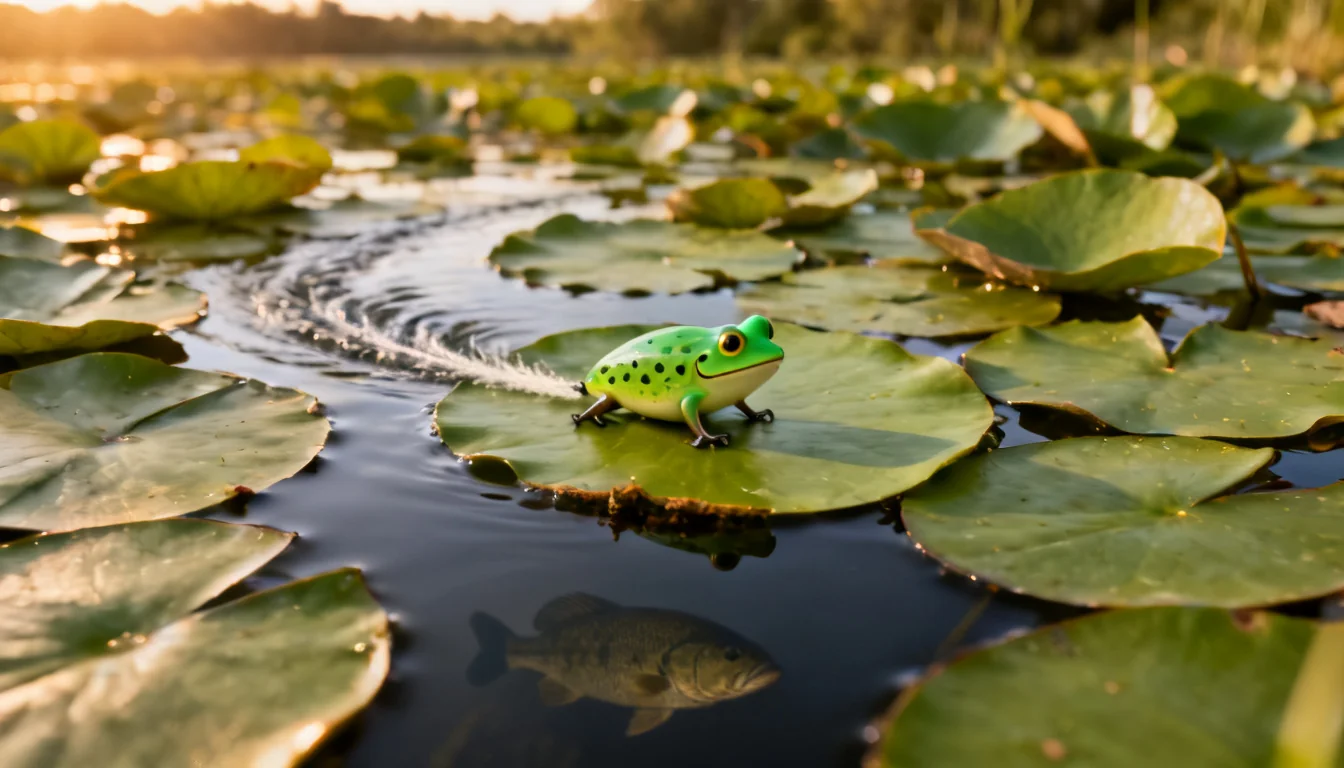
- Frog. A soft, hollow-bodied frog with weedless hooks. Cast it onto lily pads, grass mats, and slop that would snag any other lure, then crawl it across the top.
- Prop bait. A plug with one or two small metal propellers that spin as it moves, throwing a subtle wake. Quieter than a popper — a good choice for clear water and finicky fish.
The general rule: the noisier the presentation, the better it works in stained water, wind, and low light. The quieter the bait, the better it works in clear, calm water where fish get a good look before committing.
When to Use Topwater Lures
Timing decides whether the surface bite is a ten-fish morning or a long, quiet workout. Three conditions stack the odds:
Low light. Dawn and dusk are the classic windows. Baitfish move shallow in low light, predators follow them, and the dim light makes a surface silhouette harder to verify. The first and last two hours of daylight produce the majority of topwater strikes across North America.
Warm water. Surface fishing turns on once water temperatures climb past roughly 60°F and peaks through the summer. In cold water, fish are sluggish and rarely chase a commotion on top; when the water drops into the 50s, slow everything down or switch to subsurface baits. Our summer fishing tips cover the exact windows through the heat of the season.
Cover and structure. Topwater shines where fish feel safe attacking upward: weed lines, lily pad fields, grass mats, docks, fallen timber, and points. Bass pin baitfish against the surface near cover, and the ambush spots stay consistent all season.
Weather matters too. A light chop helps topwater — it breaks up the surface, hides the lure's silhouette, and covers the noise of your retrieve. Dead-calm, glassy water calls for quieter baits and longer pauses. Rain and overcast can extend the topwater bite all day.
Popper Fishing: Pop, Pause, and Set the Hook
Popper fishing is the most accessible topwater method, and the retrieve is built on one rhythm: pop, pause, repeat.
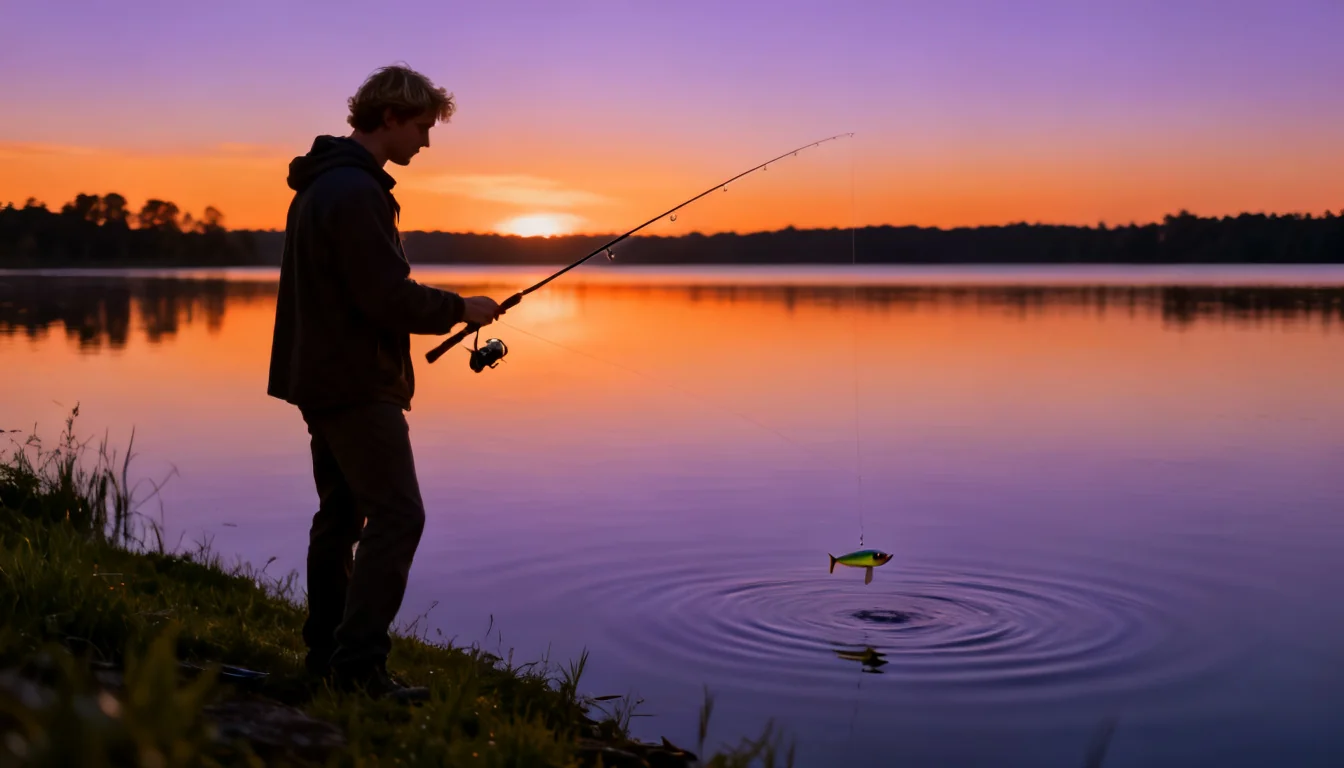
Cast past the target and let the ripples die. Point the rod tip at the water, take up slack, and give the rod a sharp downward snap of 6 to 12 inches — the popper's concave face throws a splash and a "bloop" sound. Let it sit for two to five seconds, then pop again.
Vary the rhythm: two quick pops, a long pause, then a single hard pop often triggers strikes that a steady cadence misses.
The take on a popper is not the splash you see — it's the feel. When the fish hits, the splash is the blow-up, and the hookup comes an instant later. Keep the rod tip up.
When you feel the weight of the fish, sweep the rod back hard. Set the hook on the feel, not the splash, and you'll land far more of the fish that blow up on your bait.
Buzzbaits: The Steady-Retrieve Wake Bait
A buzzbait is worked the opposite way from a popper: cast it out and reel it straight back at a steady pace, keeping the blade churning a wake the whole way. Vary the speed until you find the pace fish commit to.
Buzzbaits are exceptional in low light because fish home in on the vibration without needing to see the bait clearly. They also cover water fast — cast, reel, cast again — which makes them a favorite for scouting a shoreline in the first hour of the day.
When a buzzbait gets blown up on, the take is often savage: don't reel down, just sweep the rod and hold on.
Walking the Dog and Frog Fishing
The walking bait takes practice, and it's worth every minute. Cast it out, point the rod tip low, and work the lure in a zigzag: give the rod a series of short, sharp twitches while reeling slack in a rhythm.
Done right, the bait darts left, then right, leaving a "Z" wake that looks like a panicked baitfish. The classic cadence is twitch-twitch-pause, repeated all the way back to the boat.
The most common mistake is reeling during the twitch instead of between twitches. The twitch is a rod action; the reel only gathers the slack. Watch the lure and match your reel speed to its pace — if it's not zigzagging, slow the reeling down.
Frog fishing is a different beast entirely: you're fishing where other lures can't go. Cast the frog onto the mat or pad field, let it sit for a few seconds, then crawl it back with short pulls and long pauses. These are exactly the shallow ambush zones described in our where bass hide guide.
Bass will often blow up on the frog with no hookup on the first attempt — they miss or hit the body instead of the hooks. Keep the frog moving; when the fish blows up, wait a full second or two for the fish to turn down with the bait, then set the hook hard.
Common Topwater Mistakes
- Setting the hook on the splash. The #1 killer of topwater strikes. The splash is the take; the strike comes a half-second later. Wait for the feel of the fish before you set.
- Retrieving too fast. Most surface presentations work best with generous pauses. Fish need a beat to commit, and a lure that never stops looks like escape, not vulnerability.
- Using the wrong line. Monofilament floats and is the classic topwater line. Fluorocarbon sinks — great for subsurface presentations, but it pulls a floating lure's nose under. Braid floats too but has no stretch, so the hookset timing on a surface strike changes; add a short mono leader if you fish braid.
- Fishing the wrong water. Topwater works around cover and structure, not in open, barren water. If you're casting to a bare mud flat, you're teaching the lure to a fishless audience.
- Giving up at noon. When the sun gets high, the bite usually dies — but shaded cover, pads, overcast days, and light rain can keep topwater working all day. Try it before you pack it in.
- Mismatching the bait to the conditions. Loud lures in clear, calm water spook fish; subtle lures in wind and chop go unnoticed. Match the noise to the conditions.
FAQ
What is the best time of day to fish topwater?
Dawn and dusk are the classic windows, with the first and last two hours of light producing most surface strikes. In summer, the sunrise window is the money hour; in spring and fall, the evening bite often runs longer because the water cools through the afternoon.
Overcast days and light rain can keep the topwater bite going all day, and summer nights with dark baits are a proven pattern for big bass. The common thread is low light — the less light, the longer the bite.
What is the best topwater lure for beginners?
A popper is the easiest topwater lure to learn. The retrieve is simple — pop, pause, repeat — and the hookset timing is forgiving compared to walking baits and frogs. A medium-sized popper in a shad or frog color covers bass, panfish, and pike in most freshwater situations.
Do you set the hook immediately on a topwater strike?
No — wait for the feel. The splash is the fish taking the bait, and the hookup comes a beat later, once it turns down with the lure. If you set on the splash, you usually pull the bait away before the hooks find their mark.
A useful rule of thumb: if you can count the pause — a half-second to a full second after the blow-up — before sweeping the rod back, you're timing it about right. It feels like forever the first few times; it isn't.
How do you walk the dog with a topwater lure?
The walk-the-dog action comes from rod twitches, not the reel: point the tip low, snap it in short sharp twitches, and reel in the slack between each one. Done right, the bait zigzags in a "Z" wake that looks like a panicked baitfish.
Two checks to know you're doing it right: the bait changes direction with each twitch, and the line stays nearly tight the whole way in. If the lure just drags straight, you're reeling too fast during the twitch — slow down and let the rod do the work.
Why is monofilament better for surface lures?
Mono floats, so the lure rides high on the surface and keeps its action. Fluorocarbon sinks and pulls the nose of a popper or walking bait underwater, killing the presentation.
Braid floats too, but it has no stretch — which makes the hookset on a surface strike harsher — so many anglers tie on a 3-4 foot monofilament leader for a natural rise and a bit of give.
What species can you catch with topwater lures?
More than you'd think. Bass — largemouth, smallmouth, striped, and peacock — are the headline targets, but pike and muskie smash surface baits on weedy flats, and even bluegill and crappie will hit a small popper or prop bait in the right conditions.
The short version: any fish that feeds shallow on baitfish, frogs, or insects is a candidate. Match the lure size to the fish — a 1-2 inch popper for panfish, a 4-6 inch plug for pike — and you're in business.
The Bottom Line
The surface game turns a day on the water into a highlight reel. The timing is simple — low light, warm water, and shallow cover — and the presentation is built on three retrieves: pop-pause for poppers, zigzag for walking baits, and crawl-and-pause for frogs.
Match the noise to the conditions, wait for the feel before you set the hook, and keep the pauses generous.
For the lure-action side of the surface game, our fishing lure action guide covers the retrieve cadences that trigger strikes across all lure types. Now get out there before the sun comes up — the surface bite waits for no one.