American Shrimp Species: White, Brown, Pink & More
Learning the American shrimp species starts with understanding what's actually in the market. Shrimp is the most popular seafood in America — and almost all of it comes from a handful of species caught or farmed along our own coasts. But most people couldn't tell a white shrimp from a brown shrimp if their dinner depended on it — and that's exactly why a practical shrimp species guide is worth your time. This guide to shrimp species fixes that.
Whether you're a shrimper learning your catch, a seafood lover reading menus, or an angler who wants to understand the bait fish eat, knowing the American shrimp species — what they look like, where they live, and when they run — makes you smarter on both sides of the plate.
The Big Three: Gulf Shrimp
About 90% of the shrimp caught in US waters come from the Gulf of Mexico, and the fishery is built on three species:
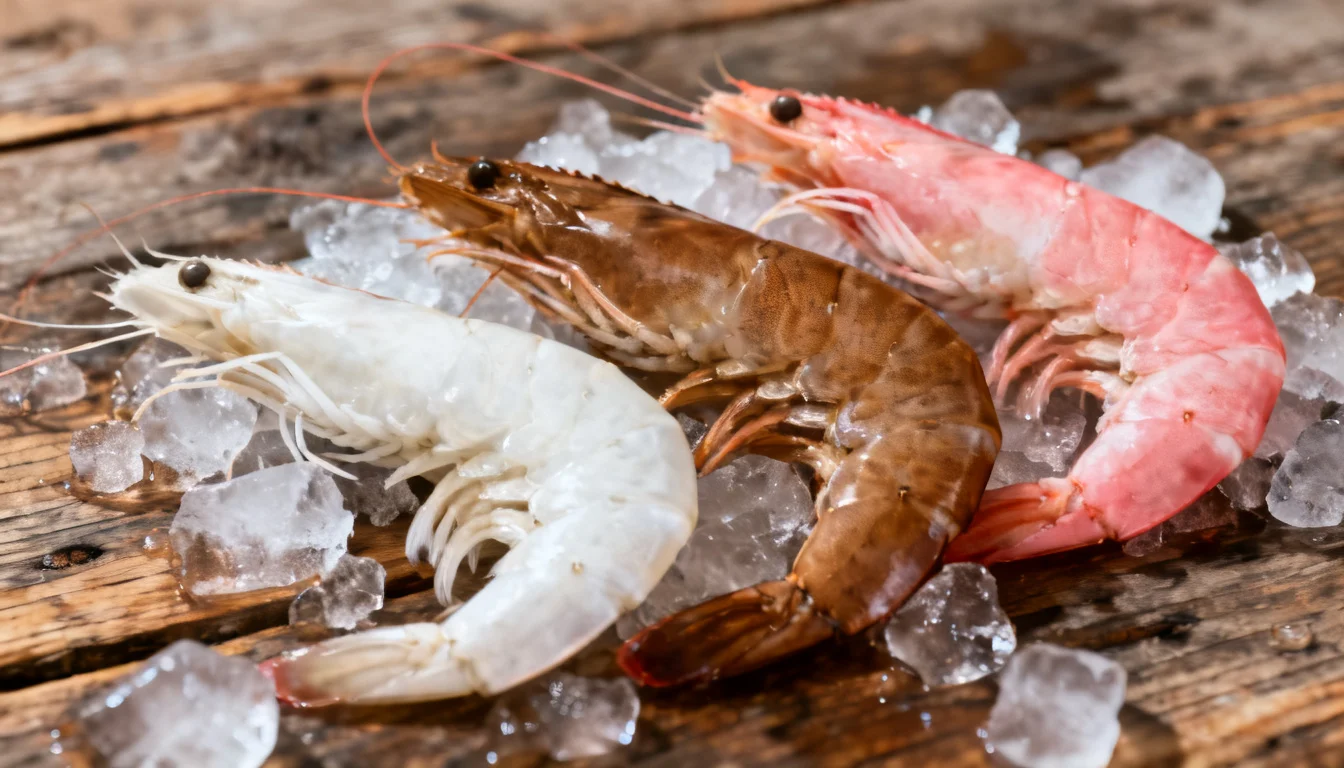
1. White Shrimp (Litopenaeus setiferus)
The largest and most prized of the Gulf shrimp.
- Look: pale gray-white body with a slight bluish tail; no distinct grooves on the shell
- Size: up to 8 inches, commonly 5–7
- Range: from New York down to Florida and across the Gulf to Mexico
- Habitat: estuaries as juveniles, moving to deeper offshore water as adults
- Taste: sweet, mild, and firm — the premium eating shrimp
2. Brown Shrimp (Farfantepenaeus aztecus)
The workhorse of the Gulf fishery — the most abundant catch.
- Look: reddish-brown body with a distinct groove along the back
- Size: up to 7 inches, commonly 4–6
- Range: Massachusetts to the Gulf, most abundant off Louisiana and Texas
- Habitat: muddy bottoms; juveniles in estuaries
- Taste: slightly stronger, "shrimpy" flavor — great for grilling and gumbo
3. Pink Shrimp (Farfantepenaeus duorarum)
The sweetest of the Gulf trio, and the star of Florida's Gulf coast.
- Look: pale pink body with a pinkish tail
- Size: up to 6 inches, commonly 4–5
- Range: Chesapeake Bay south to Florida and across the Gulf
- Habitat: sandy and muddy bottoms offshore, especially the Tortugas grounds off Florida
- Taste: sweet and delicate — superb boiled or chilled with cocktail sauce
Beyond the Big Three
Rock Shrimp (Sicyonia brevirostris)
A smaller, harder-shelled shrimp from deeper Gulf water (90–240 feet).
- Look: short, thick body with a hard, ridged shell
- Taste: remarkably like lobster or crab — you crack them like mini lobsters
- Note: increasingly popular; sold shell-on because the meat is hard to peel raw
Royal Red Shrimp (Pleoticus robustus)
A deep-water shrimp (600–2,400 feet) caught in the Gulf's edge and South Atlantic.
- Look: deep red even when raw (they come up cooked-looking)
- Taste: rich, buttery, lobster-like — considered by many the best-eating shrimp in America
- Note: smaller harvest, higher price, worth trying if you see them
Farmed vs. Wild
Wild-caught US shrimp (mostly Gulf) and farmed shrimp (domestic and imported) both fill the market. Wild shrimp generally have firmer texture and more flavor; farmed are milder and cheaper. Labels like "Gulf shrimp" or "US farmed" tell you the origin — both are options depending on budget and taste.
Where Shrimp Live: The Estuary-to-Ocean Story
All American shrimp species share a remarkable life cycle that drives where and when you find them:
1. Spawning offshore in deep, salty water
2. Larvae drift into estuaries — bays, sounds, and tidal rivers
3. Juveniles grow in nursery grounds: shallow grass beds, marsh edges, and muddy flats where they hide from predators
4. Subadults migrate back offshore to deep water as they mature
This means:
- Estuaries and bays hold juvenile shrimp spring through fall
- Offshore waters hold the large mature shrimp
- Bottom type matters: brown shrimp love mud, pink shrimp prefer sand, white shrimp tolerate both
Shrimp Season
Shrimp seasons vary by region and species because they track the migration:
| Region | Peak Season |
|---|---|
| Gulf of Mexico (brown/white) | May–December; brown peak early, white peak late summer/fall |
| Florida Gulf (pink) | Year-round, peak in fall/winter |
| South Atlantic (white) | Summer–fall |
| Deep-water (royal red, rock) | Year-round, weather dependent |
Shrimp run — the mass migration of mature shrimp out of the estuaries — happens in late summer and fall, and that's when both commercial and recreational shrimping peak.
Shrimp as Bait (The Angler's Angle)
Before they reach your plate, shrimp are one of the most effective baits in saltwater:
- Live shrimp are the top bait for redfish, speckled trout, snook, flounder, and tarpon
- Dead/frozen shrimp work for bottom fish, whiting, croaker, and catfish
- Shrimp scents and artificial shrimp lures imitate them for everything from bass to bonefish
Learning to catch shrimp yourself — covered in our shrimping guide — gives you both dinner and a steady bait supply.
Shrimp on the Menu: What the Labels Mean
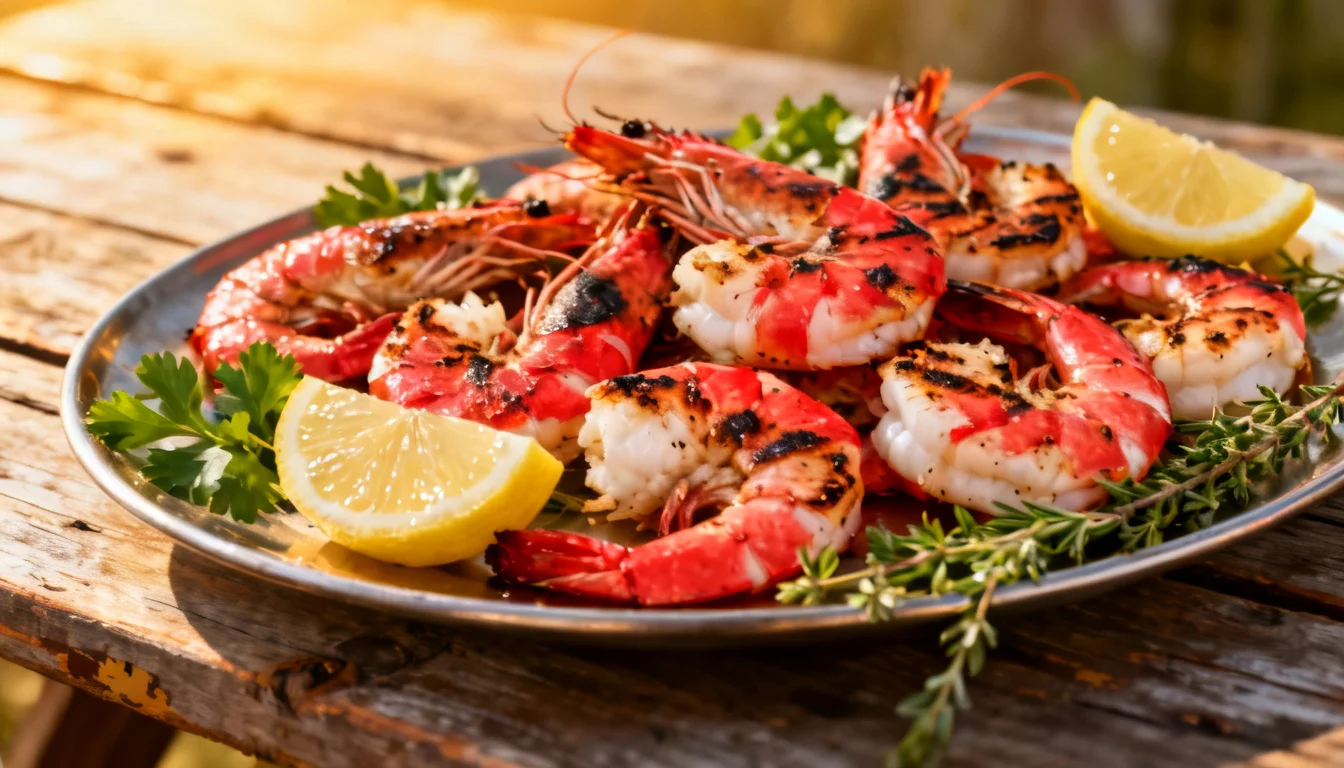
Walk through any seafood section and you'll see the shrimp story play out in labels. "Gulf white," "brown," "pink," "royal red," "rock shrimp," "wild," "farm-raised," "EZ-peel" — each tells you something about flavor and how to cook it. White and pink shrimp shine when simply boiled or chilled; brown shrimp hold up to grilling and bold seasoning like gumbo and jambalaya; rock and royal red shrimp are best treated like mini lobsters, steamed or broiled in the shell. Understanding the species behind the label is the fastest way to buy and cook shrimp with confidence.
Common Shrimp Questions
How can you tell white, brown, and pink shrimp apart?
Look at color and shell grooves: white shrimp are pale with no back groove, brown shrimp are reddish-brown with a distinct back groove, and pink shrimp are pink-toned with a smoother shell. When raw and fresh, the differences are clear; when frozen, labels matter.
What's the best-tasting shrimp in America?
Royal red shrimp are widely considered the best — rich and buttery like lobster. Among the common Gulf species, white shrimp are prized for sweet mild flavor, and pink shrimp are known as the sweetest of the trio.
Where does most American shrimp come from?
The Gulf of Mexico — Louisiana, Texas, and Florida lead the US wild harvest, with brown shrimp the most abundant single species. South Atlantic states add white and pink shrimp.
Are wild shrimp better than farmed?
Wild-caught US shrimp generally have firmer texture and more pronounced flavor; farmed shrimp are milder and more affordable. Neither is "wrong" — it depends on how you're cooking and what you're willing to spend.
When is shrimp season in the Gulf?
The main Gulf season runs May through December: brown shrimp peak early (May–July), white shrimp peak in late summer and fall (August–November). Deep-water species are harvested year-round.
What do shrimp eat?
Shrimp are bottom feeders and scavengers, eating plankton as larvae and small worms, crustaceans, plant matter, and detritus as adults. That's why they thrive on muddy and sandy bottoms rich in organic material.
Final Checklist
1. Identify: shell color and back groove separate white, brown, and pink
2. Origin: Gulf of Mexico supplies ~90% of US wild catch
3. Life cycle: estuaries for juveniles, offshore for adults, runs in late summer/fall
4. Best eating: royal red (luxury), white (sweet), pink (delicate)
5. As bait: live shrimp are king for inshore game fish
Want to catch your own? Our shrimping guide covers cast nets, traps, and everything in between. And if crabs are more your speed, the blue crab guide has you covered — while the American lobster guide covers the cold-water side of the family.