American Lobster: The Complete Guide
Lobster rolls, steamed lobster dinners, and butter-soaked tails — the American lobster (Homarus americanus) is the crown jewel of New England seafood. Also called the Maine lobster or northern lobster, this clawed crustacean built the fishing culture of Maine and feeds seafood lovers across the country.
This guide covers the American lobster from ocean floor to dinner plate: identification, habitat, the commercial fishery, seasons, regulations, and how it differs from the spiny lobsters of the South.
What Is the American Lobster?
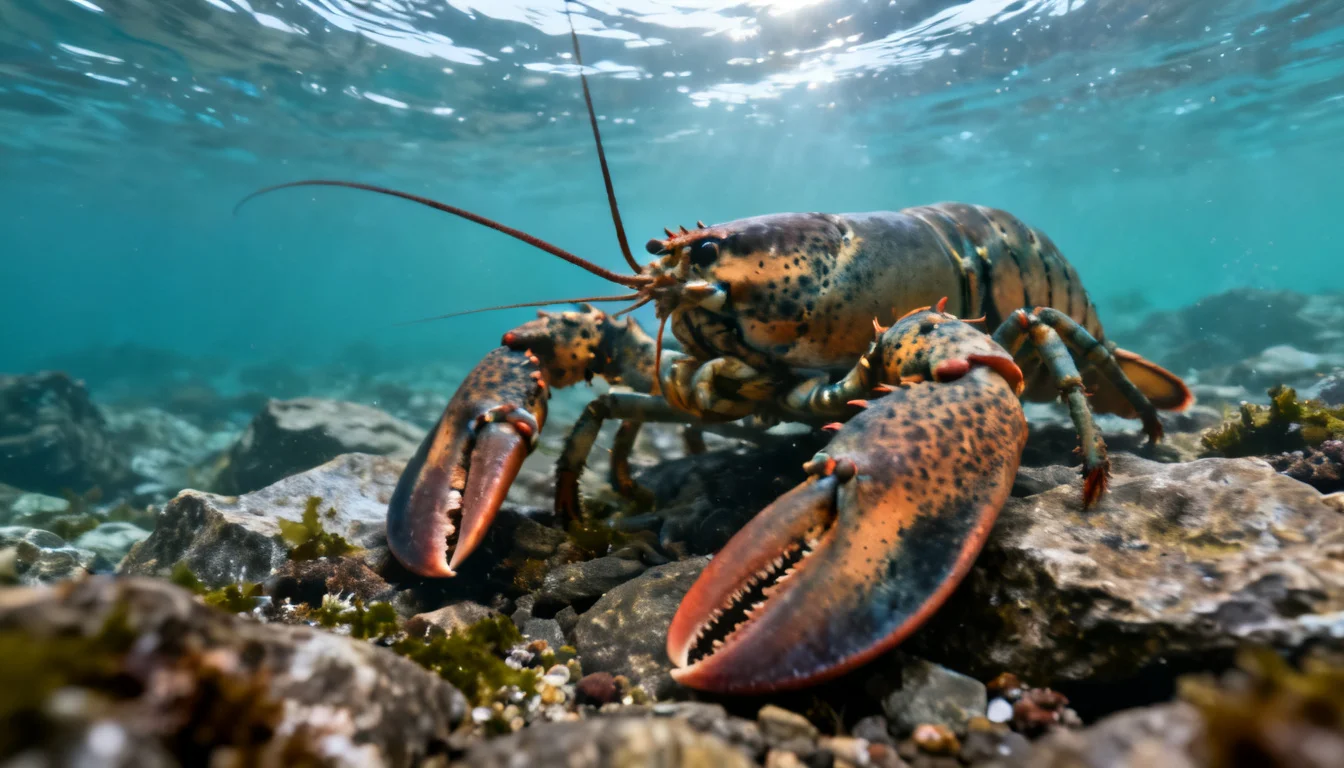
The American lobster is a large, clawed lobster that lives on the cold-water continental shelf of the Northwest Atlantic.
Key facts:
- Scientific name: Homarus americanus
- Size: typically 1–3 pounds, 8–24 inches; the largest recorded weighed over 44 pounds
- Lifespan: can live 50+ years (some estimates over 100)
- Habitat: rocky bottoms on the continental shelf, from the intertidal zone to 1,500+ feet
- Diet: fish, crabs, clams, sea urchins, and other lobsters (they're cannibals)
- The famous feature: two claws — a larger "crusher" claw and a smaller "pincher" claw
American Lobster vs. Spiny Lobster
| American (Clawed) Lobster | Spiny Lobster | |
|---|---|---|
| Claws | Two large claws | No claws; long spiny antennae |
| Range | New England, Canada | Florida, Caribbean, California, Baja |
| Where sold | Northeast favorite | Southern & tropical seafood |
| Meat | Claws + tail | Tail only |
| Fishing | Traps (pots) | Traps and nets |
Lobster Identification
The American Lobster
- Color: dark greenish-brown to blue-black (occasionally rare blue, yellow, or white mutants)
- Claws: one crusher (thick, for cracking shells) and one pincher (narrow, for tearing)
- Body: segmented carapace, fan tail, four pairs of walking legs plus two claw arms
- Size: legal harvest typically 3.25–5 inches carapace length
Sexing a Lobster
- Females: broader tail (for carrying eggs); small, soft swimmerets
- Males: narrower tail; firm, hardened swimmerets
- Egg-bearing females (with dark eggs under the tail) are protected — must be released, and often notched for identification
Where American Lobsters Live
American lobsters range from Labrador, Canada, down to North Carolina, but the heart of the fishery is:
- Maine — by far the largest producer (80%+ of US landings)
- Massachusetts (Cape Cod, Boston area)
- New Hampshire, Rhode Island, Connecticut
- Atlantic Canada (Nova Scotia, New Brunswick)
They prefer:
- Rocky, craggy bottoms with crevices for shelter
- Cold water (they grow slowly and live long in cold northern waters)
- Depths from shallow harbors to deep offshore canyons
- Juvenile lobsters hide in shallow rocky nursery areas; adults roam deeper
Lobster Season
Lobster fishing runs year-round in most of the range, but catches and activity follow seasonal patterns:
| Season | What's Happening |
|---|---|
| Spring | Lobsters move inshore as water warms; fishing picks up |
| Summer | Peak inshore fishing; lobsters are active and molting |
| Fall | Lobsters fatten; the famous "fall lobster" is at its best |
| Winter | Offshore fishing continues; inshore traps come out in icy harbors |
Key note: lobster can be caught year-round, but the best eating window is often late summer into fall when lobsters are full after molting. Prices also dip in summer when catches peak.
How Lobsters Are Caught
The Lobster Pot (Trap)
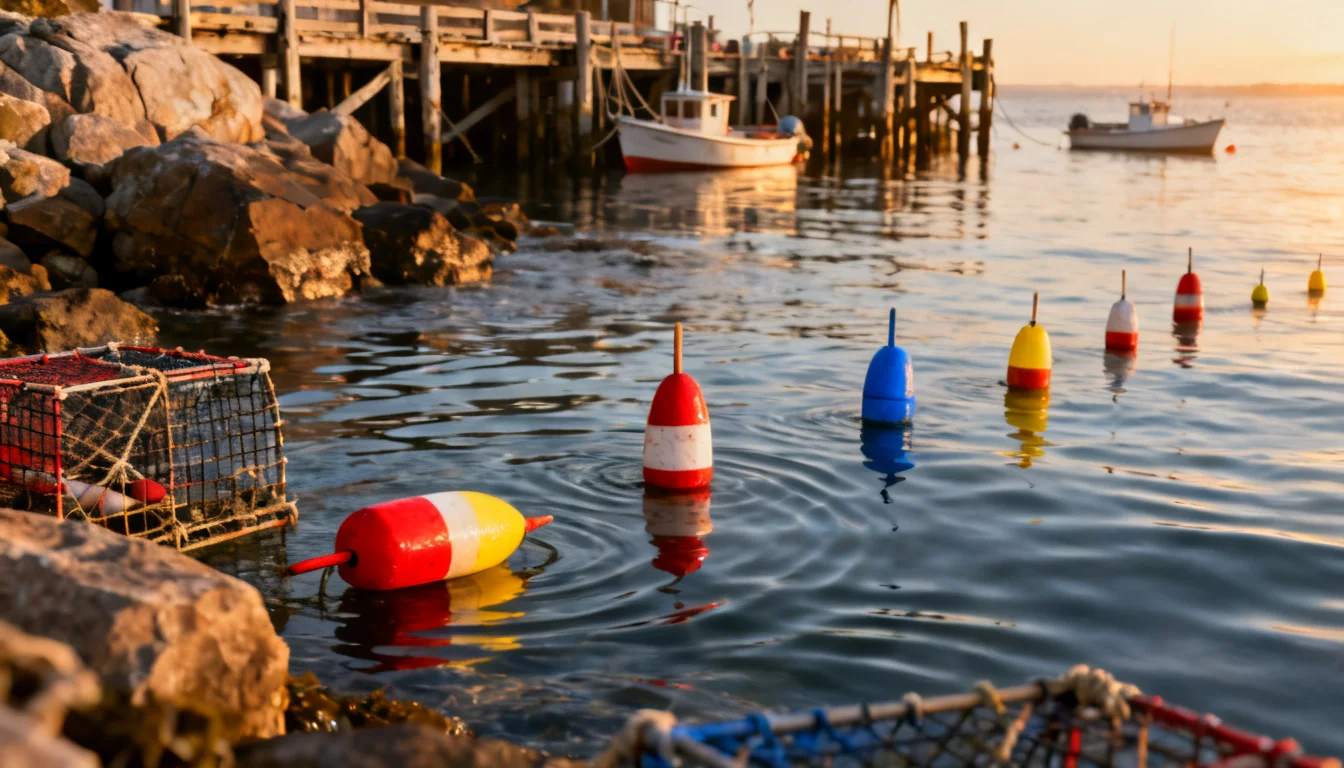
The American lobster fishery is built on lobster pots — wire or wooden traps with funnel entrances and a "parlor" that keeps lobsters in. How it works:
1. The pot is baited with fish (herring is the standard)
2. Set on the bottom, marked by a colorful buoy unique to each fisherman
3. Lobsters smell the bait, crawl in through the funnel
4. Escape vents let undersized lobsters out; the parlor keeps the keepers in
5. Hauled every 1–2 days, measured, banded, and stored in seawater tanks
Why Traps Instead of Nets?
Lobsters live on rocky bottom where nets snag and tear — traps are the only practical commercial gear. Recreational lobster fishing is also trap-based, with strict gear limits.
Recreational Lobstering
Some states allow recreational lobster licenses with limited traps (often 5–10). It's a serious commitment — hauling, measuring, banding, and reporting — but fresh lobster off your own boat is the reward.
Regulations & Conservation
The American lobster fishery is one of the most tightly managed in the world:
- Minimum size: must measure at least 3.25 inches carapace length (Maine)
- Maximum size: lobsters over 5 inches must be released (protects the big breeders)
- Egg-bearing females: must be released; many are V-notched (a mark cut in the tail that protects them for life)
- Gauge check: every lobster is measured before keeping
- License: commercial and recreational licenses are required — see our fishing license guide
These rules keep the fishery healthy — Maine has landed 90+ million pounds in record years.
Buying & Eating Lobster
- Live: best quality — buy from a tank, keep cool and damp
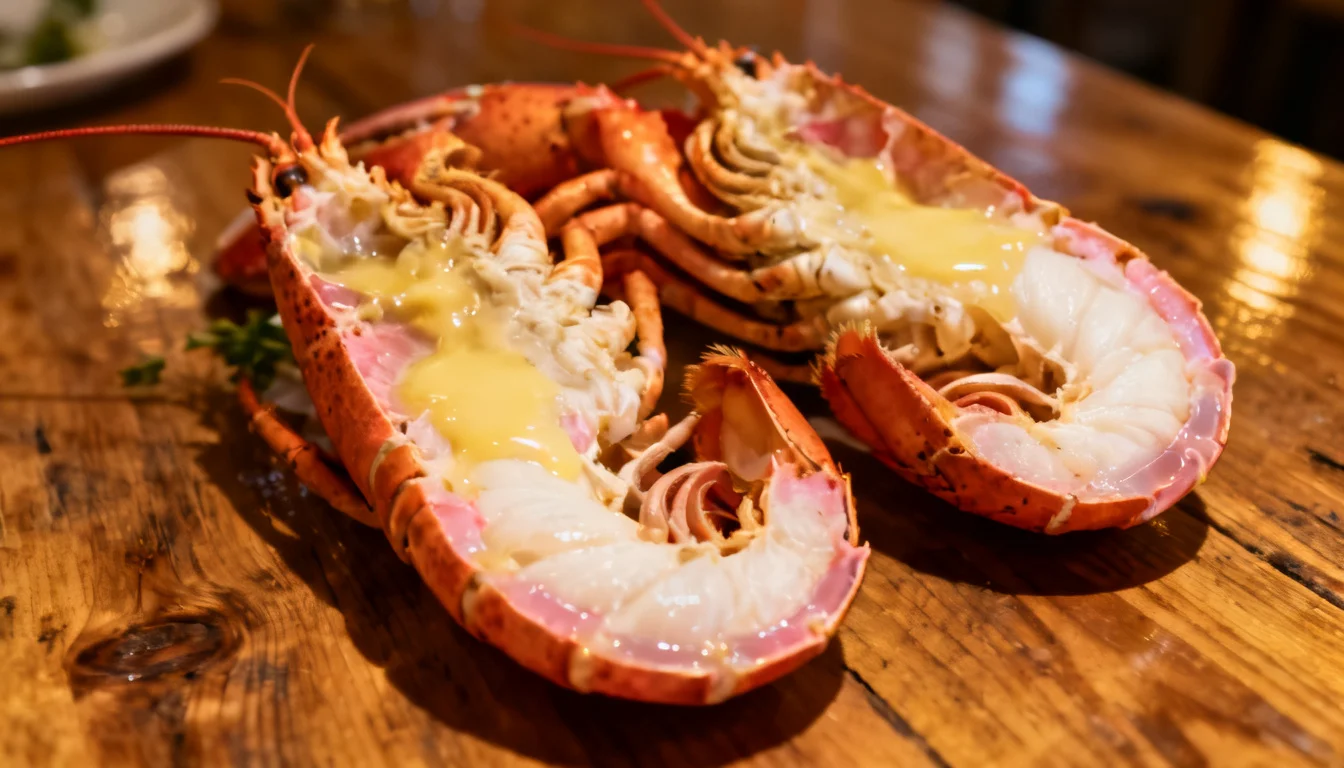
- Cooked whole: steamed or boiled
- Lobster meat: tails, claws, knuckles — the classic roll filling
- Frozen tails: convenient, often from spiny lobster
How to eat: crack the claws, twist off the tail, pull the tail meat, and don't skip the knuckle meat — many say it's the sweetest part. Lobster rolls (chilled with mayo or hot with butter) are the New England icons.
Common Lobster Questions
What's the difference between Maine lobster and spiny lobster?
Maine (American) lobsters have large claws and live in cold North Atlantic waters. Spiny lobsters have no claws, long spiny antennae, and live in warm southern waters from Florida to California. The meat also differs — American lobster offers claw meat, spiny lobster only tail.
How big do lobsters get?
American lobsters typically weigh 1–3 pounds, but they keep growing their whole lives. The largest recorded American lobster weighed over 44 pounds and was likely over 100 years old.
When is lobster season in Maine?
Lobster fishing is year-round in Maine, but the most productive inshore fishing runs from late spring through fall. Summer is peak season with the most supply; many consider fall lobster the best eating.
Why are lobsters boiled alive?
Lobsters spoil quickly after death — bacteria multiply fast in their flesh. Cooking them live is the standard practice to ensure the meat is fresh and safe.
Can you catch lobster without a boat?
Recreational lobster fishing requires a boat and traps in most states, plus a license with strict gear limits. Shore-based lobstering is essentially impractical — this is a boat fishery.
How long do lobsters live?
American lobsters can live 50 years or more; scientists estimate some reach 100. They grow throughout life, molting their shells as they grow.
Final Checklist
1. Know the species: American (clawed) vs. spiny (no claws)
2. Season: year-round fishery, peak summer-fall
3. Regulations: size limits, egg-bearing female protection, license
4. Fishing: pot/trap-based, strict recreational limits
5. Buying: live from a tank is best
6. Eating: claws, tail, and knuckle — all sweet
Curious about the rest of the shellfish family? Check our shrimp species guide and the blue crab guide for the complete coastal catch.