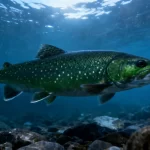
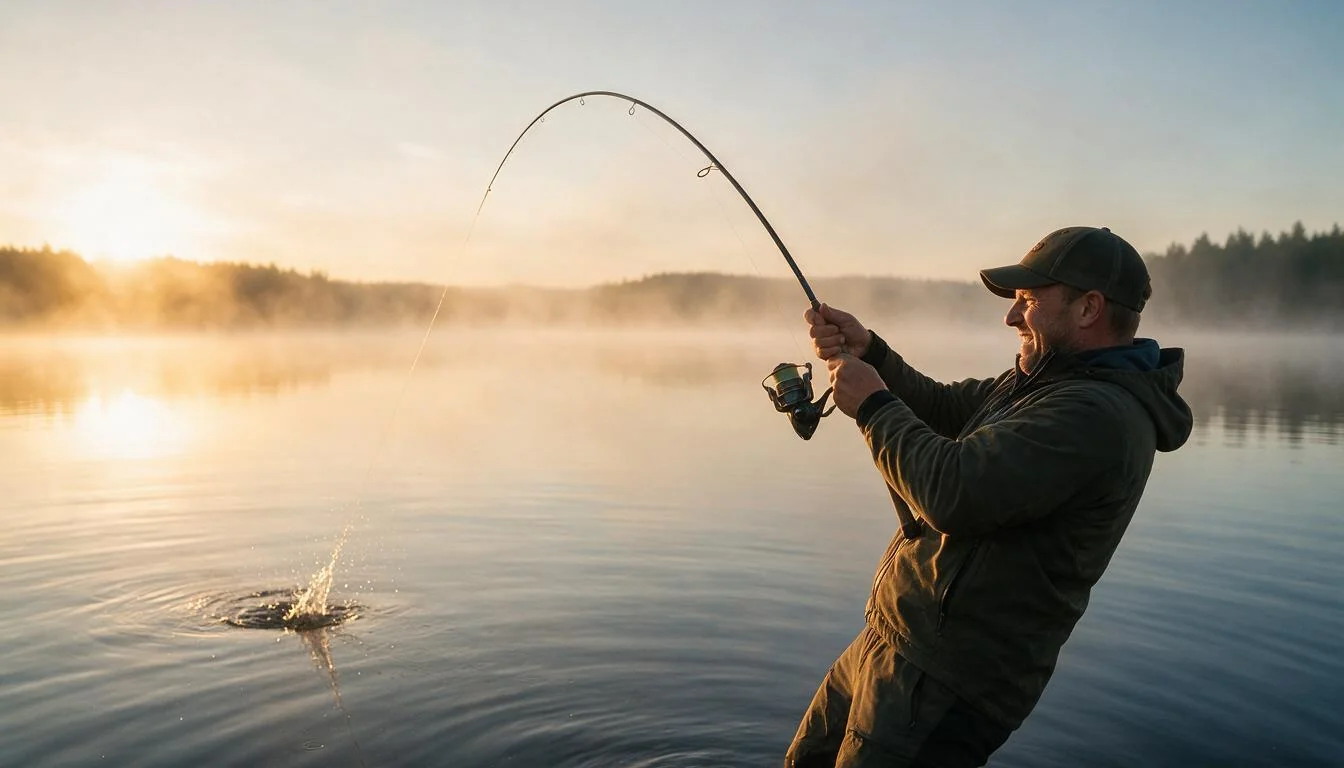
How to Catch Walleye: The Complete Fishing Guide
Walleye are the most pursued fish in the northern US for one simple reason: they bite when other fish don't, and they taste better than almost anything in freshwater.
But how to catch walleye is a different game than bass fishing — they're low-light predators that hold deep, move a lot, and turn off the instant the sun hits the water. The good news: once you learn the system, you can catch them consistently from a boat or the bank.
These walleye fishing tips cover when to go, what gear to use, the best baits, and the two techniques that account for most walleye caught in North America: walleye jigging and walleye trolling. New to the sport? Our fishing for beginners guide gets you on the water first.
When to Fish for Walleye: Low Light Is Everything
Walleye have reflective eyes (a tapetum lucidum) that give them superb low-light vision — and they use it to hunt when their prey can't see them. Fish the windows when the sun is weak:
| Window | What's Happening | Best Strategy |
|---|---|---|
| Dawn (first light to ~2 hrs) | Walleye push shallow to feed | Cast jigs to points, reefs, weed edges in 4-12 ft |
| Dusk (last 2 hrs of light) | Same shallow push, bigger fish | Jigs and crankbaits on the same spots |
| Night (summer) | Walleye move to flats and shorelines | Troll crankbaits or cast glow jigs in 4-10 ft |
| Overcast days | Daytime bite extends | Fish shallower than normal, slow down |
Season timing: spring is the classic window — when water hits the low 40s to mid-50s (°F), walleye run into rivers and onto gravel reefs to spawn, and they bite aggressively. Fall is the second peak: cooling water and a heavy feeding binge before winter.
Summer walleye are deep by day but move shallow at night; winter means slow jigging in deep basins or under the ice.
Weather edge: steady winds are your friend — wind-blown shorelines concentrate baitfish, and walleye with them. A falling or stable barometer is the classic bite window as a front approaches; the toughest fishing comes after a cold front, when rising pressure pushes walleye deep and negative.
Walleye Fishing Gear: The Right Tools
Walleye fishing gear is lighter than most anglers expect. Walleye have soft mouths and you need sensitivity to feel a bite on the fall.
- Rod: 6'6"-7' medium-light or medium spinning rod — sensitive enough to feel a jig ticking bottom
- Reel: 2500-3000 size spinning reel, spooled with 10-14 lb braid (main line) or 8-12 lb monofilament/fluorocarbon
- Leaders: 12-18 in of 8-12 lb fluorocarbon leader when fishing clear water or braid
- Jigheads: 1/8-1/2 oz (1/4 oz is the everyday workhorse; step up in wind or current)
- Hooks: #2-#4 hooks for live bait rigs; jigheads carry their own
- Extras: slip bobbers, split shot, a fish finder (worth its weight for marking bait and fish), needle-nose pliers
A single medium spinning combo, a box of jigs, and a bucket of minnows covers most walleye situations from bank or boat.
Best Walleye Bait: Minnows, Leeches & Soft Plastics
Live bait — minnows lead the way. Shiners and chubs are the #1 walleye bait nationwide. Hook a lively minnow through the lips for casting or through the back for still-fishing, so it swims naturally. Nightcrawlers and leeches (a walleye classic, especially in Minnesota) are the top alternatives — leeches are deadly slow-trolled or fished under a slip bobber.
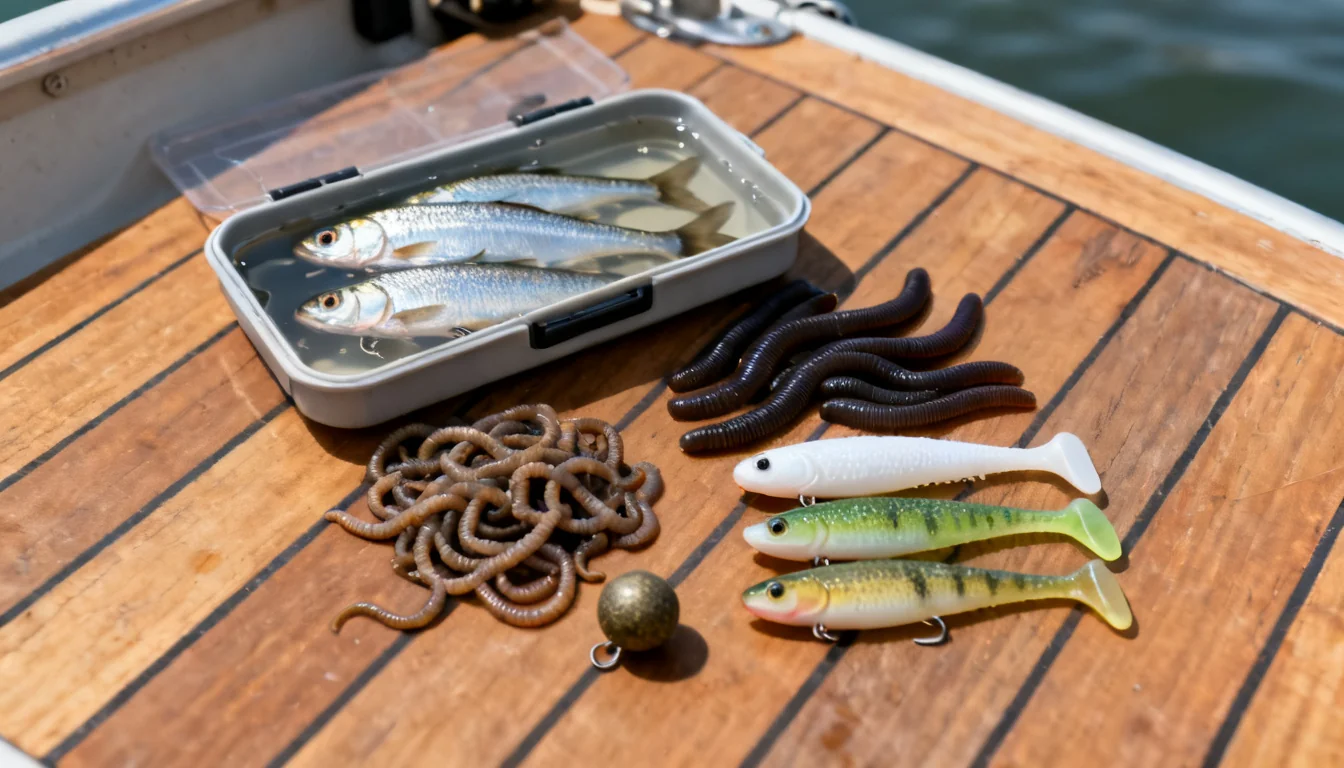
Lures — soft plastics and crankbaits. Three categories catch walleye on lures:
- Jig-and-plastic: 3-4 inch paddle-tail swimbaits, grubs, and minnow imitations on jigheads — the #1 all-around walleye lure
- Shad-style crankbaits: shallow and medium divers in shad, perch, and fire-tiger colors for trolling and casting
- Spinner rigs: a nightcrawler or leech behind a Colorado or willow blade, trolled slowly — the classic harness rig
Match the hatch. In reservoirs, shad-colored baits (silver, white, chartreuse) mirror the dominant forage; in northern lakes, perch patterns shine. If the fish are on 3-inch shad, don't throw a 6-inch swimbait at them.
Walleye Jigging: The #1 Tactic
Walleye jigging is the most reliable technique in the book because it puts the bait exactly where walleye live: on or near the bottom, in the strike zone, at the right depth. The core principle — walleye hit on the fall — shapes every move.
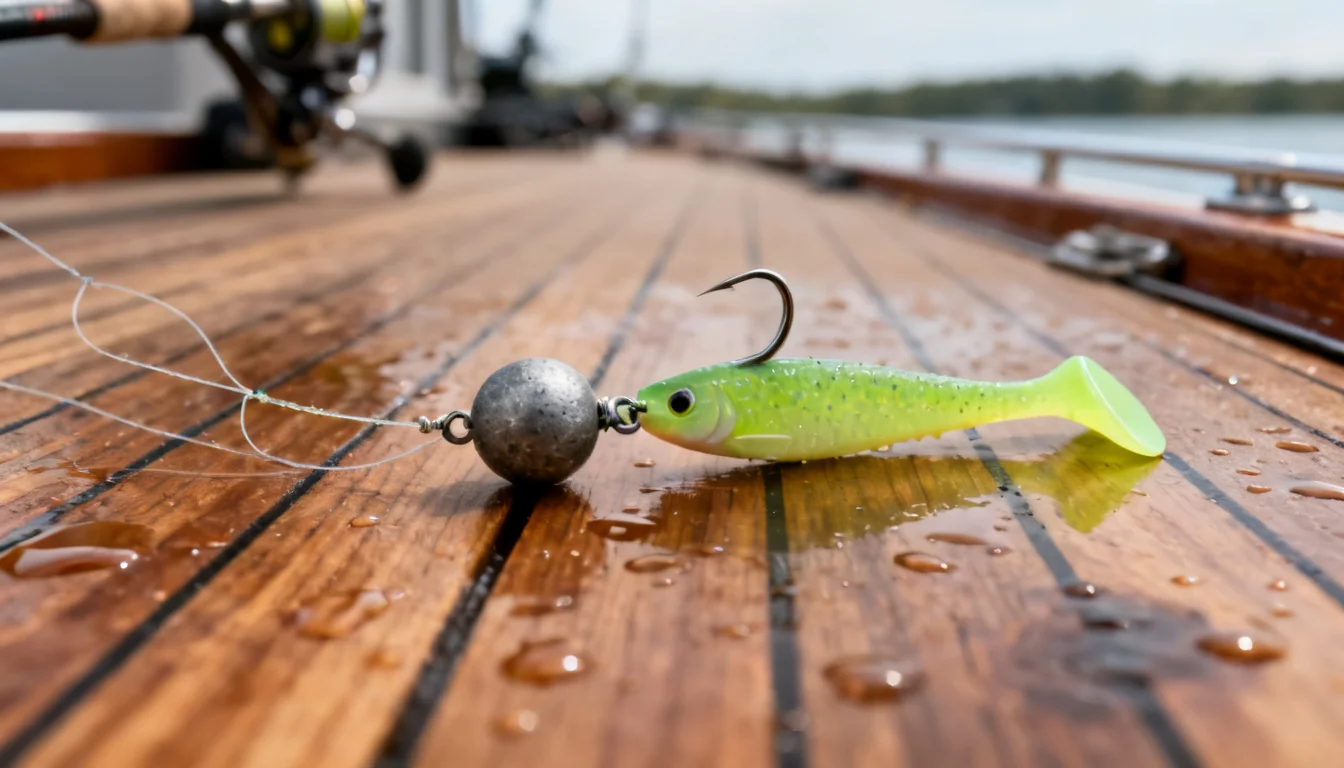
1. Cast to structure — a point, reef, weed edge, or drop-off — or drop straight down when you mark fish on a finder.
2. Let the jig sink on slack line. Watch the line; many walleye hit before you start working the bait.
3. Snap the rod tip up 6-12 inches, then let the jig fall back on slack line.
4. Pause 1-3 seconds between snaps. This is where most strikes happen — set the hook on the fall.
5. Keep bottom contact. Walleye hug bottom; if you're not ticking bottom occasionally, you're fishing too high.
6. Vary the cadence — fast snaps, slow drags, long pauses. When nothing bites, slow down before you change baits.
Weight by depth: 1/8-1/4 oz jigheads for 5-15 ft (spring and fall), 1/4-1/2 oz for 20-35 ft (summer deep water). Tip the jig with a minnow, leech, or soft plastic — minnow-tipped jigs are the classic cold-water presentation, and mastering this one rig is the fastest way to learn how to catch walleye. For the biology behind the bite, see our walleye species guide.
Walleye Trolling: Covering Water at the Right Depth
Walleye trolling shines when fish are spread out or suspended — summer on big lakes, fall on main-lake points, and whenever you need to find the school first. The goal is depth control: you want the bait running through the walleye zone, not 10 feet above it.
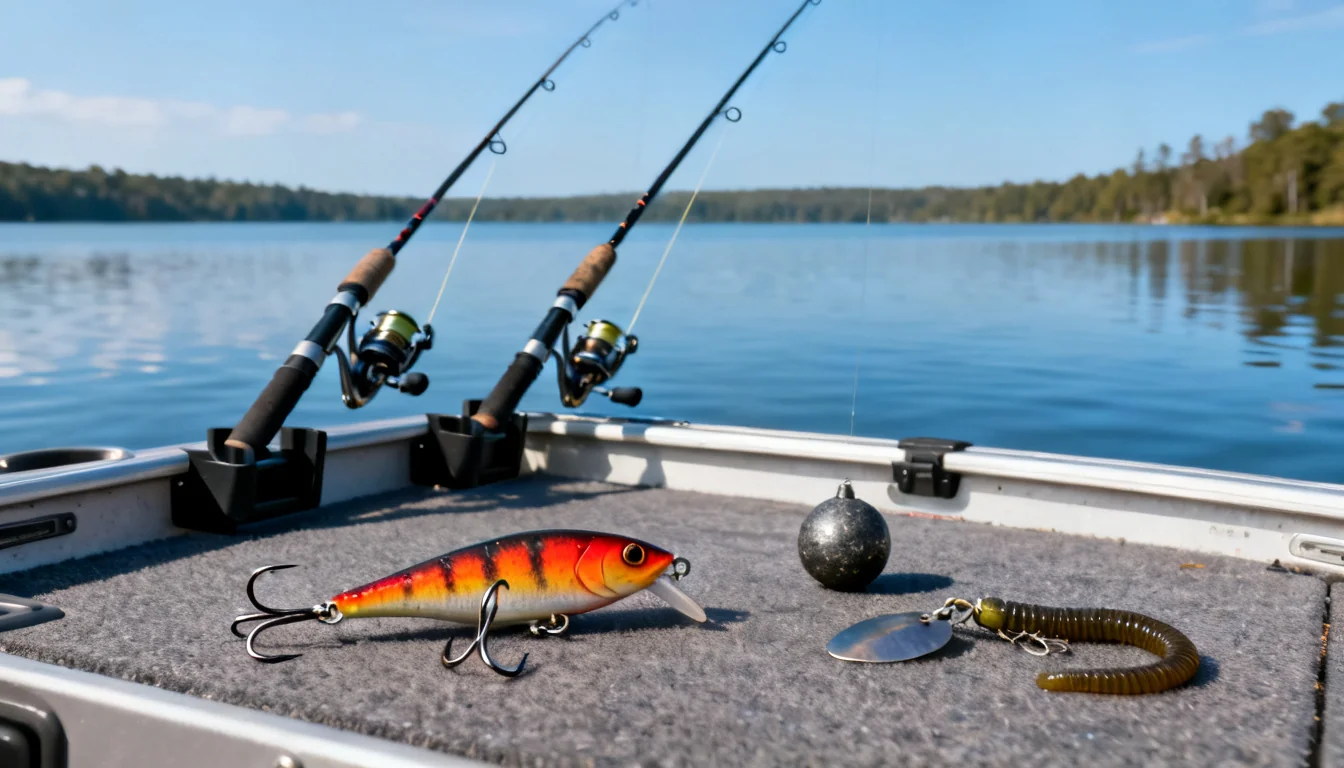
Crankbait trolling. Run shad-style crankbaits at 1.5-2.5 mph. Choose the crankbait by its dive curve: shallow divers for 5-10 ft, medium divers for 10-20 ft, deep divers for 20-30 ft. Add lead-core line or snap weights to get down when the fish are deep.
Spinner-rig trolling (bottom bouncer). A bottom-bouncer rig — a wire arm with a lead weight that rides the bottom — keeps a spinner-and-crawler or spinner-and-leech harness in the strike zone at 1-1.5 mph. This is the go-to system for covering flats and channel edges where walleye roam.
Line-out and speed discipline. Mark the depth you're catching fish, then repeat the same line-out and speed trip after trip. Walleye trolling is a numbers game — the anglers who catch limits are the ones who stay in the zone.
Where to Find Walleye: Spots That Hold Fish
The best walleye fishing spots change with the season, but the pattern never does: deep-water access, firm bottom, and baitfish nearby. Our how to fish a lake guide covers the general system; here's the walleye-specific playbook:
- Spring (pre-spawn/spawn): river mouths, current breaks, gravel points, and wind-blown shorelines in 3-12 ft. The whole year's best bank-fishing window.
- Summer (day): 15-35 ft on humps, reefs, deep points, and weed-line edges. Fish the deep side of structure.
- Summer (night): 4-10 ft on shallow flats, sand bars, and shorelines — walleye move in after dark to feed.
- Fall: mid-depth points and main-lake humps following baitfish schools; fish shallow early and late.
- Winter: deep basins and river channels, 20-40 ft, slow jigging or ice fishing.
Fish finder rule: walleye hang near bait. When you see bait balls on the finder, work the edges of them — the walleye are usually right underneath or off to the side.
Walleye Fishing Mistakes to Avoid
- Fishing too shallow in summer. Daytime walleye live deep; only dawn, dusk, and night pull them shallow.
- Fishing through the midday lull. If you're not marking fish, move — don't grind the same spot for hours at noon.
- Setting the hook too hard. Walleye have soft mouths; a firm, steady sweep beats a bass-style hookset.
- Reeling too fast. Both jigging and trolling walleye want a slow presentation. When in doubt, slow down.
- Ignoring the wind. Wind-blown shores and points concentrate bait and walleye — fish the windy side.
- Skipping the leader. In clear water, braid spooks walleye. A short fluorocarbon leader fixes it.
Walleye Fishing FAQ
What is the best time of day to catch walleye?
Dawn and dusk are the classic windows, with night fishing a proven producer in summer. Walleye feed in low light, so overcast days extend the bite and bright midday sun shuts it down.
Do walleye bite at night?
Yes — night is one of the best times to catch walleye, especially in summer. They move onto shallow flats and shorelines after dark to feed, and they hit crankbaits, glow jigs, and live bait readily.
What colors do walleye bite best on?
In stained or murky water, chartreuse and white stand out best. In clear lakes, natural shad, perch, and crawfish patterns match the forage. Fire-tiger is a proven trolling color that combines visibility with a baitfish silhouette.
How fast should you troll for walleye?
Slow — 1.5-2.5 mph for crankbaits and 1-1.5 mph for spinner rigs and bottom bouncers. Walleye rarely chase fast baits; if you're not getting bites, slow down before you change lures.
Do you need a boat to catch walleye?
No — spring shore fishing at river mouths, dam tailwaters, and wind-blown points catches walleye from the bank, especially during the spawn run and after dark. A boat widens your options but isn't required.
What size walleye can you keep?
It varies by state, but minimums commonly run 14-18 inches with daily limits of 4-8 fish. Many lakes protect the biggest spawners with slot limits — always check your state's regulations before you keep fish.
The Bottom Line
Walleye fishing rewards patience and low light. Hit the dawn, dusk, and night windows, fish jigs slow on the bottom or troll crankbaits through the right depth, and target structure with baitfish nearby.
Spring and fall are the golden seasons, and the same spots — points, reefs, wind-blown shorelines — produce year after year. Start with a 1/4 oz jig tipped with a minnow and go from there; it's how most walleye careers begin.