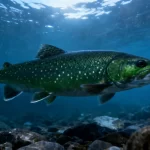
How to Catch Yellow Perch: The Complete Guide
Learning how to catch yellow perch is one of the most rewarding projects in freshwater fishing. Perch school in numbers, bite small baits readily, and — uniquely among panfish — feed eagerly all winter under the ice. Master the basics and you can fill a bucket from a frozen lake in January or a weed edge in June.
These perch fishing tips cover when to go, what gear to use, the best baits, ice fishing tactics, and open-water rigs. If you're brand new to the sport, our fishing for beginners guide gets you on the water fast.
When to Fish for Yellow Perch: Winter Is the Secret
Perch are a cool-water species, and their calendar looks different from most panfish:
| Season | Water Temp | What Perch Are Doing | Best Strategy |
|---|---|---|---|
| Spring | 40-60°F | Spawning in 3-10 ft near weeds and brush | Fish shallow from shore: slip bobbers, minnows, and small jigs all produce |
| Summer | 70°F+ | Deep (15-35 ft), hugging the bottom | Vertical jig over sand, mud, and weed edges; fish dawn, dusk, and night |
| Fall | 50-70°F | Shallower, chasing baitfish | Cast small spinners and spoons along weed lines and drop-offs |
| Winter | 32-40°F under ice | Deep basins, tight to the bottom, still feeding | Ice fishing — jig 6-12 inches off bottom, or set tip-ups with small minnows |
Best times of day: early morning and late afternoon in open water. Unlike crappie, perch feed right through midday, especially in spring and fall. Under the ice, the bite can run all day — many ice anglers do their best work between 10 a.m. and 2 p.m.
Weather edges: the first two weeks of hard ice are famous — perch stack up and bite aggressively. A warming trend in early spring pulls prespawn schools into the shallows fast.
Perch Fishing Gear: Light Is Right
Perch fishing gear follows one rule: downsize everything. Perch have small mouths, soft bites, and sharp eyes — heavy tackle kills both the hookup and the strike detection.
Open water:
- Rod: 6-7 ft ultralight or light spinning rod — sensitive enough to feel a 1/32 oz jig fall
- Reel: 1000-2500 size spinning reel, spooled with 2-6 lb monofilament (4 lb is the all-around choice)
- Hooks: small #6-#10 hooks for minnows and worms; jigheads in 1/32-1/8 oz
- Bobbers: slip bobbers for adjustable depth; small fixed bobbers for shore fishing
Ice fishing:
- Rod: a 24-36 inch ultralight ice rod with a sensitive spring-bobber tip; a light-action combo for tip-up fishing
- Reel: small spinning or inline ice reel, 2-4 lb line
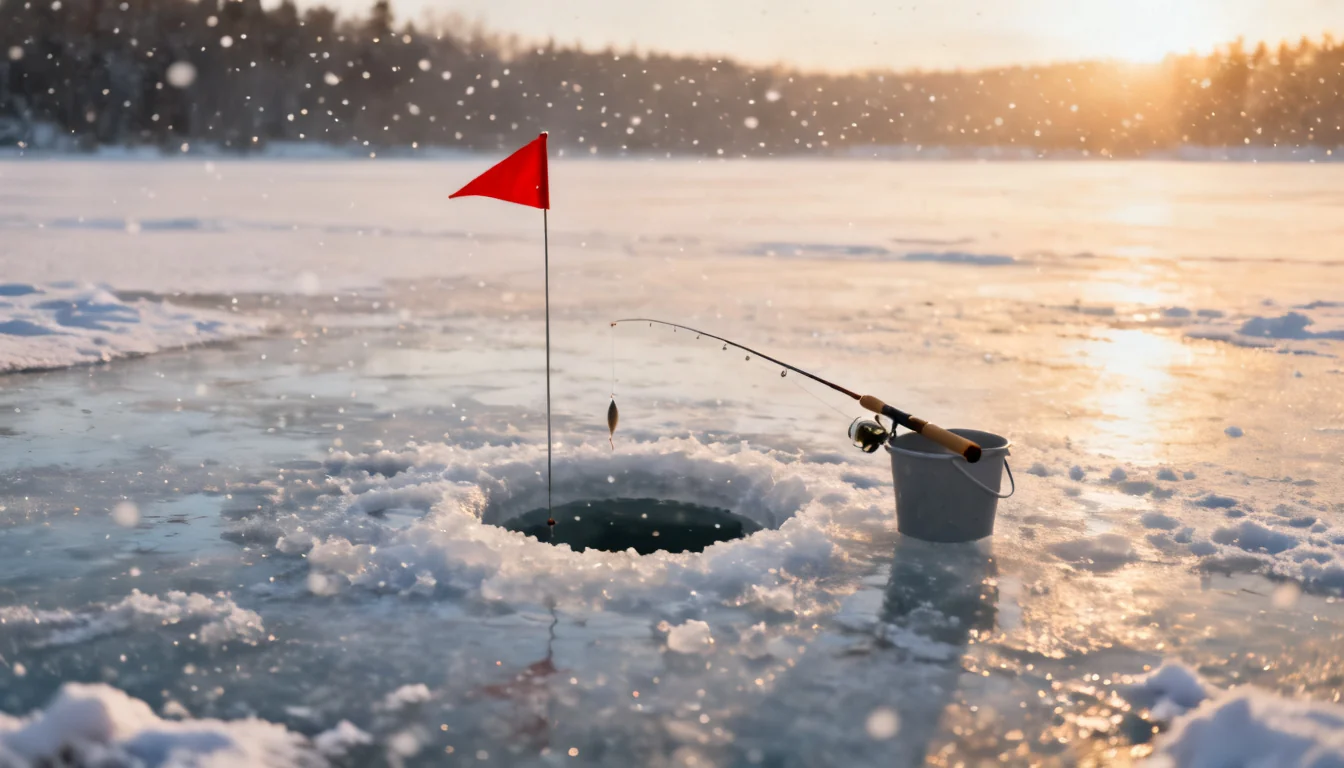
- Tip-ups: for bigger perch — a small minnow suspended near the bottom trips the flag
- Extras: a flasher or fish finder changes the game — perch school tightly, and seeing them is half the battle
You don't need a boat or a pile of tackle. One ultralight combo, a handful of small jigs, and a bucket of minnows covers nearly every perch situation in open water; swap the rod for an ice rod and the same kit works through the ice.
Best Perch Bait: Minnows, Spikes & Tiny Jigs
Live bait — minnows are king. Fathead minnows and small shiners are the #1 perch bait nationwide. Hook a minnow through the lips for casting or through the back when still-fishing so it swims naturally. For ice fishing, spikes (maggots) and waxworms are the go-to — a single spike on a tiny jig out-fishes most artificials on slow days, and pieces of nightcrawler work year-round.
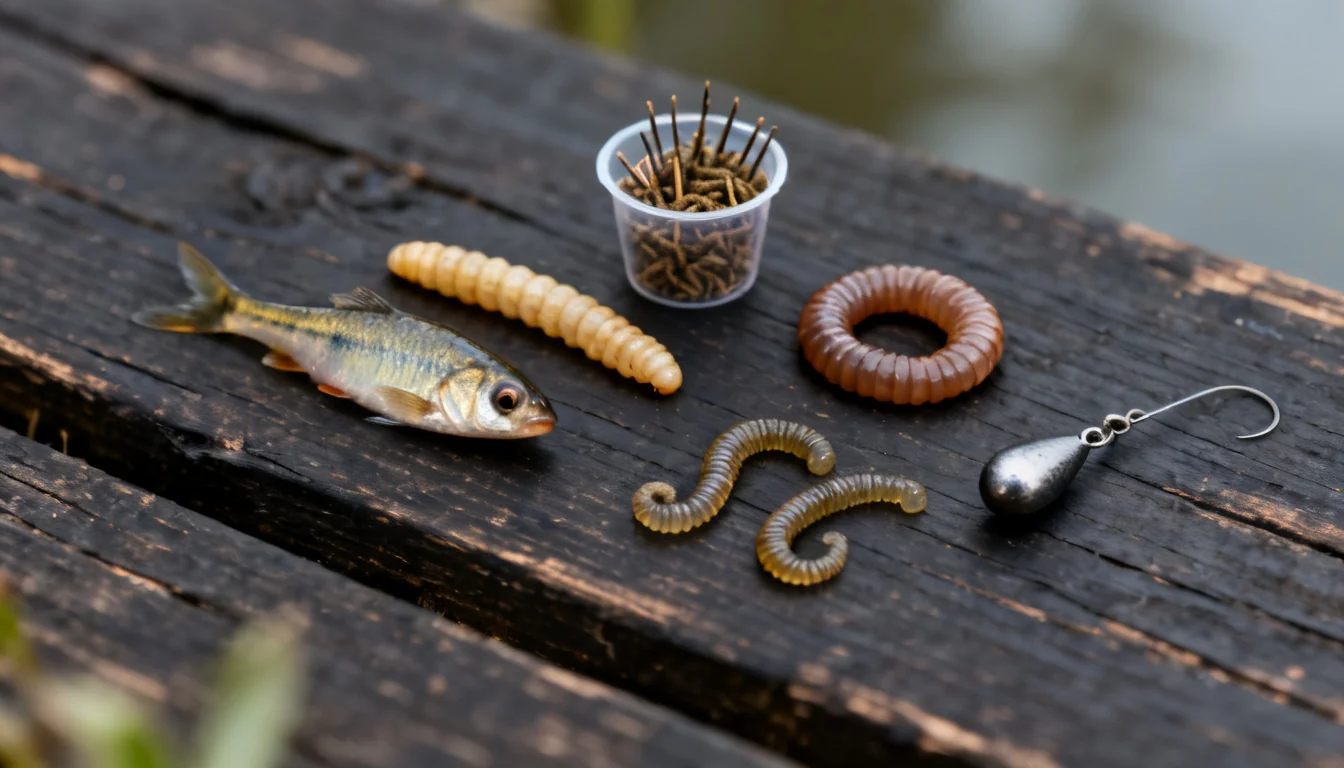
Lures — small everything. The best perch lures are small versions of proven panfish patterns:
- Curly-tail grubs and tubes in 1-2 inches on 1/32-1/8 oz jigheads — the #1 all-season lure
- Tungsten and teardrop jigs — tungsten drops fast and transmits bites; the standard ice fishing jig
- Small spoons (1/16-1/8 oz) and small spinners — deadly in fall when perch chase baitfish
- Mini crankbaits in shad and minnow patterns for open-water casting
Best perch bait colors: chartreuse, white, silver, and glow are the proven standbys; in clear lakes, natural minnow tones work best. Match the hatch — if the perch are feeding on 2-inch shiners, throw a 2-inch grub in shiner colors, not a 4-inch swimbait.
Ice Fishing for Yellow Perch: The #1 Tactic
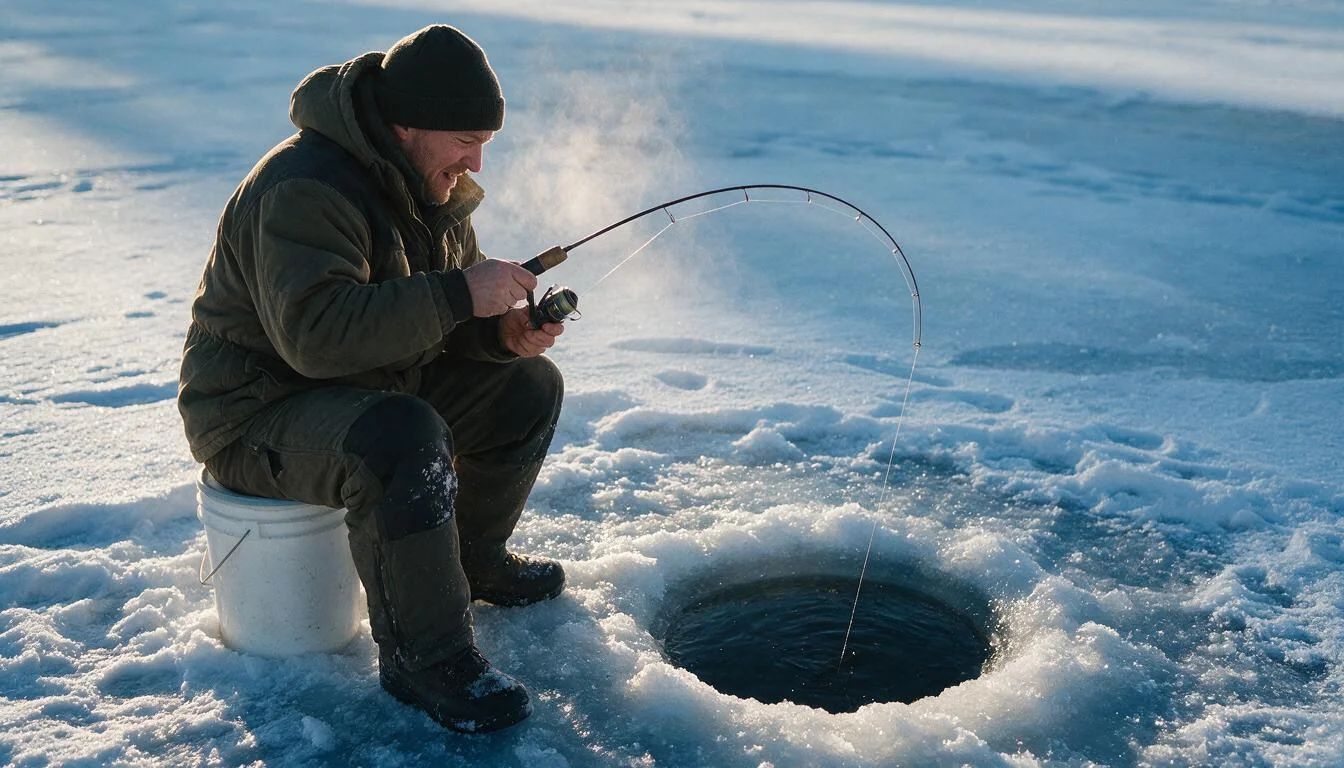
Ice fishing for perch is the most popular ice fishery in the northern states, and for good reason: perch feed all winter, school tightly, and hit small baits even on the coldest days.
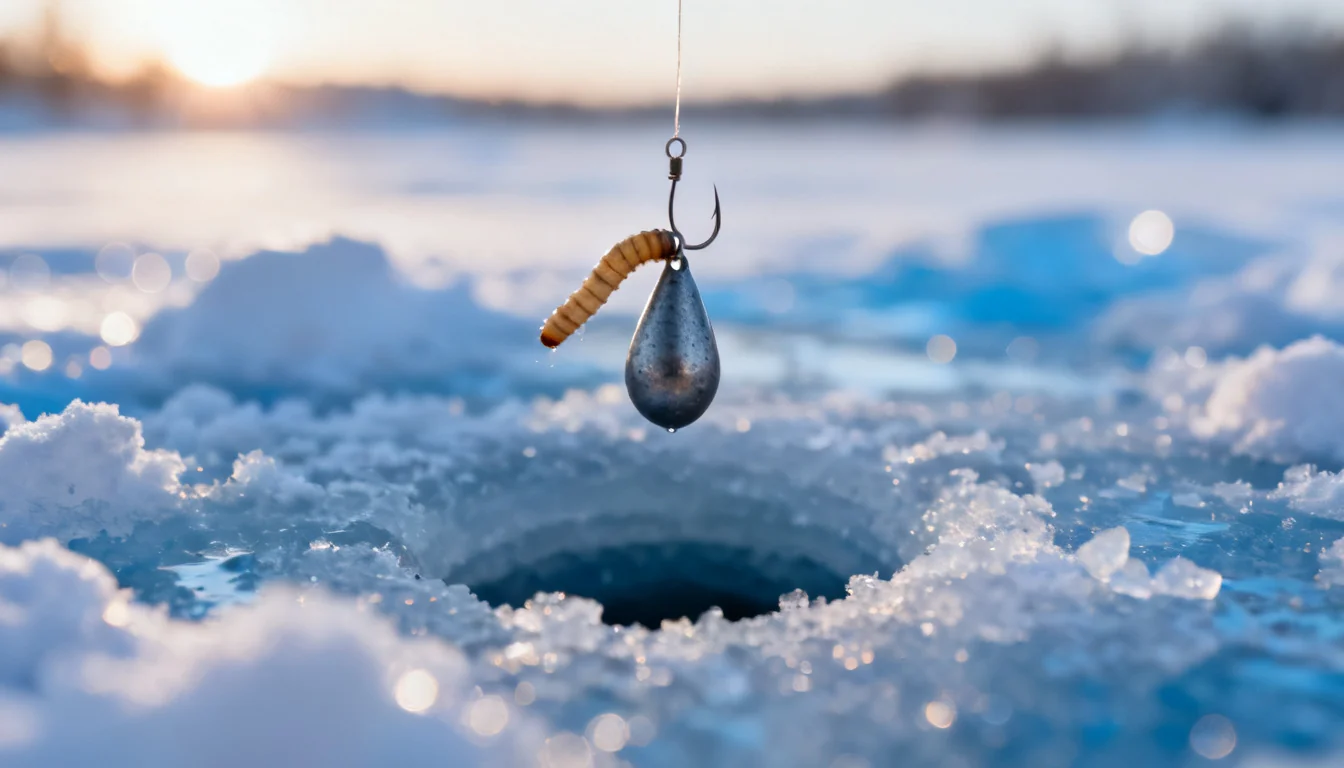
1. Find the school. Drill a few holes in 15-35 feet over a deep basin, weed flat, or drop-off. Run a flasher or sonar — perch show as tight clusters near the bottom. If nothing marks in 10 minutes, move; perch schools roam.
2. Get the depth right. Set the jig 6-12 inches off the bottom. Perch hug the bottom in winter and rarely rise far for a bait.
3. Jig small and slow. Drop a tungsten jig tipped with a spike or waxworm to the bottom, then lift 6-12 inches and let it fall on slack line. Most strikes come on the fall or during a long pause. Keep the motion subtle — a gentle lift-and-drop beats an aggressive jig for perch.
4. Set a tip-up for the big ones. Rig a tip-up with a small shiner 6-12 inches off bottom, 20-40 feet from your jigging holes. The jumbos often hit the tip-up while the school works your jig.
5. Work the bite window. Early ice and the last hour of daylight are prime. When the bite slows, downsize — a bare hook with a single spike catches perch that ignore everything else.
First ice is the best ice. Shallow bays freeze first, and perch pile into them in huge numbers; as the season deepens, follow the schools out to deeper basins.
Open-Water Tactics: Jigging, Bobbers & Spreader Rigs
Spring — the bobber bite. When perch move shallow to spawn, a slip bobber with a small minnow or a 1/32 oz jig along weed edges and brush is unbeatable. Set the depth just above the fish; perch rarely chase far.
Summer — vertical jigging. Find 15-35 feet of water over sand, mud, or weed edges, drop a small jig straight down, and work it slowly near the bottom. For most anglers, yellow perch jigging means a small grub or spoon worked in short lifts — the most productive open-water presentation of the summer. A flasher or sonar shows exactly where the school sits; if it marks at 25 feet, don't waste time fishing 12.
Fall — casting. As perch chase baitfish, cast small spinners, spoons, and crankbaits along weed lines, points, and drop-offs. A slow, steady retrieve with occasional pauses is the classic fall pattern.
The spreader rig (Lake Erie style). A spreader or two-hook rig with small minnows — fished on the bottom while drifting or anchored — is the classic big-perch setup. A walking sinker on the bottom, two short droppers with #6 hooks, and a lively minnow on each hook. Slow and simple, and it catches the biggest perch of the year through summer and fall.
Drop-shotting works too: a small hook tied 6-18 inches above a light weight, tipped with a minnow or grub, twitched near the bottom. It's the go-to when perch are finicky in clear water.
Where to Find Yellow Perch: Follow the Schools
Learning how to catch yellow perch is mostly learning to find them — perch are roamers, and the schools do the moving. Look for:
- Weed edges — the classic spring and fall zones; perch cruise the outside line of cabbage and coontail
- Sandy and gravel flats — summer daytime holding areas; perch sit on the flats and feed off them
- Drop-offs and deep basin edges — summer and winter hideouts; the school often hugs the breakline
- Docks, piers, and marinas — shore-accessible structure that holds perch in spring and fall
- Creek mouths and channel edges — moving water concentrates baitfish, and bait draws perch
Find the bait, find the perch. Perch follow forage — minnow schools in fall, insect hatches in spring, crayfish and shrimp on summer flats. If you're marking bait on sonar, perch are usually close. When you catch one, drop a marker: perch school by size, so anchor on the school and fish it hard before it moves.
Common Perch Fishing Mistakes
- Fishing too big. Big lures, big hooks, and big baits are the #1 perch mistake — perch have small mouths and want small meals.
- Heavy line. 10 lb test and a wire leader turns perch off fast; 2-6 lb mono is all you need, and it lets tiny baits fall naturally.
- Jigging too fast. Perch prefer a slow fall and a pause. If you're ripping the jig, you're fishing walleye style.
- Fishing the wrong depth. Perch sit tight to the bottom in summer and winter; fishing 10 feet above them is fishing empty water.
- Not moving. Perch roam constantly. Fifteen quiet minutes means the school moved — pick up and drill or cast a new spot.
- Ignoring electronics. A flasher or sonar that shows the school at 28 feet turns a slow day into a limit. The best perch anglers fish the screen, not the guess.
Yellow Perch FAQ
What is the best bait for yellow perch?
Small live minnows are the top bait nationwide. For ice fishing, spikes and waxworms on a tiny jig are the go-to, and pieces of nightcrawler work in every season. Among lures, 1-2 inch grubs and tubes on light jigheads catch the most perch.
How deep do you fish for yellow perch in winter?
Set your bait 6-12 inches off the bottom in 15-35 feet of water, over deep basins, weed flats, or drop-offs. Perch hug the bottom in winter and rarely rise far for food.
Do yellow perch bite at night?
They can — perch are primarily daytime feeders, but summer night bites are real in clear lakes. Your best hours are dawn and dusk, with the occasional flurry after dark in warm water; under the ice, the bite runs all day.
What size hook is best for yellow perch?
Small hooks — #6 to #10 — are right for perch. They have small mouths, and a #4 or larger hook drops most of your bites. Pair the hook with a tiny split shot or light jighead.
How many yellow perch can you keep?
Check your state's regulations — most northern states allow generous limits of 25-50 perch per day, and few impose size minimums. Some waters, especially Lake Erie, have special limits to protect the big spawners.
The Bottom Line
Perch fishing rewards simplicity: light line, small hooks, tiny baits, and the patience to follow the schools. Spring puts them on the weed edges, summer sends them deep, and winter delivers the best bite of all — all day, under the ice, on a jig the size of a peanut.
Start with an ultralight combo and a bucket of minnows, learn to read your fish finder, and move when the school moves. For the full picture of this fish — identification, habitat, and size records — see our yellow perch species guide, and if you enjoy this style of light-tackle panfish action, the same setup catches crappie too.