How to Catch Rainbow Trout: The Complete Fishing Guide
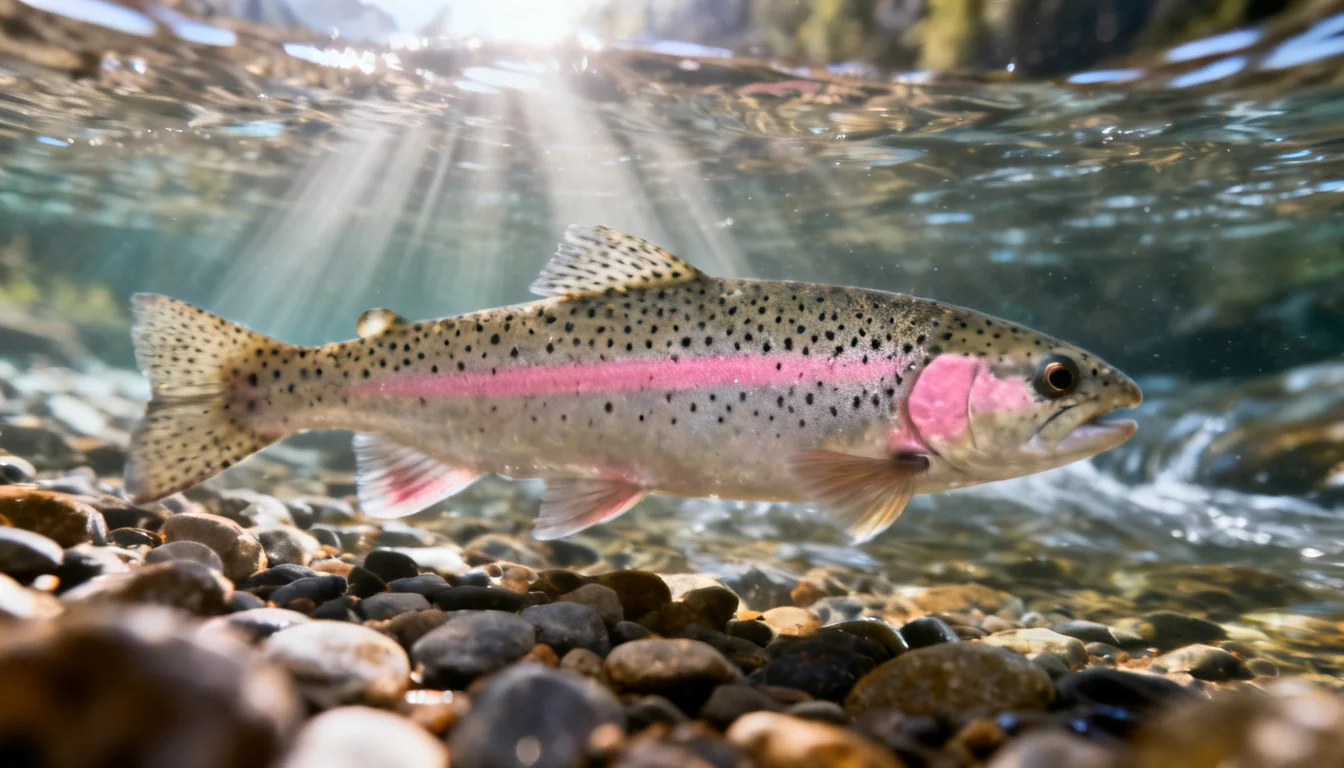
Rainbow trout are the most stocked fish in North America, which means almost anyone can learn how to catch rainbow trout — and many anglers catch their first one on their very first outing.
How to catch rainbow trout comes down to five things: picking the right time, rigging the right gear, choosing a lure or fly that matches the hatch, fishing the right water, and avoiding the mistakes that spook fish. Whether you're fishing a stocked pond with a worm or chasing wild trout on a western river, the same basic trout fishing game plan works everywhere.
When to Fish for Rainbow Trout
Timing matters more with trout than almost any other fish, because water temperature controls everything they do.
Best seasons:
| Season | Water Temp | What the Trout Are Doing | Best Strategy |
|---|---|---|---|
| Spring | 50-65°F | Pre-spawn feeding, then spawning; most aggressive period of the year | Best time of year — nymphs and dry flies on rivers, spinners in lakes |
| Summer | 55-70°F | Early/late feeding in cool hours; deep and shaded by day | Fish dawn and dusk; dry flies during evening hatches, deep nymphs midday |
| Fall | 50-60°F | Feeding binge before winter; steelhead run up Great Lakes tributaries | Streamers and big lures; match baitfish as trout fatten up |
| Winter | 35-45°F | Slow, deep, lethargic — but stocked lakes stay fishable | Slow presentations: tiny jigs, egg patterns, bait on the bottom |
Best times of day: The first two hours after sunrise and the last two before dark are almost always best. On overcast days, trout feed all day. The evening insect hatch — typically 6-9 pm in summer — turns on the surface action that most anglers dream about.
Weather edge: A light rain or overcast sky pushes trout shallow and makes them bold. A falling barometer before a storm often triggers a feeding spree. Bright, windless, high-pressure days are the toughest — fish smaller flies and lighter line, and stay low.
Rainbow Trout Fishing Gear: Rod, Reel & Line
You do not need expensive gear to catch trout. What you need is light, sensitive tackle — trout are small-mouthed, sharp-eyed fish, and heavy gear either spooks them or rips the hook out.
Fly fishing outfit (for rivers and streams):
- 9-foot, 5-weight fly rod — the do-everything trout rod; 4-weight for tiny streams, 6-weight if you plan to throw streamers for big fish
- Fly reel with a decent drag — a 20-inch rainbow on light tippet makes screaming runs; a smooth drag saves you
- Floating line with a 9-foot tapered leader, 4X-5X tippet to start (step lighter in clear water)
Spin fishing outfit (lakes, ponds, and anyone starting out):
- 6'6" to 7-foot light or medium-light spinning rod — enough backbone to cast 1/8 oz lures, enough flex to protect light line
- 1000-2500 size spinning reel spooled with 4-6 lb monofilament or fluorocarbon (2-4 lb for clear, finicky water)
- Small hooks (size 6-12), a few 1/32 to 1/8 oz split shot, and small floats for bait fishing
If you're picking your very first trout setup, a light spinning combo is the easiest way to start — see our fishing for beginners guide for how to build your first outfit.
Rainbow Trout Lures & Baits That Work
Rainbows are opportunistic feeders, and the menu changes with the water — but a few presentations catch trout everywhere.
Fly patterns (match the insects in the water):
- Dry flies — size 14-18 mayfly patterns (Adams, parachute patterns) and caddis imitations during hatches
- Nymphs — Pheasant Tail, Hare's Ear, and midge patterns fished under the surface; the most consistent trout catchers of all
- Streamers — Woolly Buggers in olive, black, or white imitate leeches and baitfish; deadly for big trout
Lures (spin fishing):
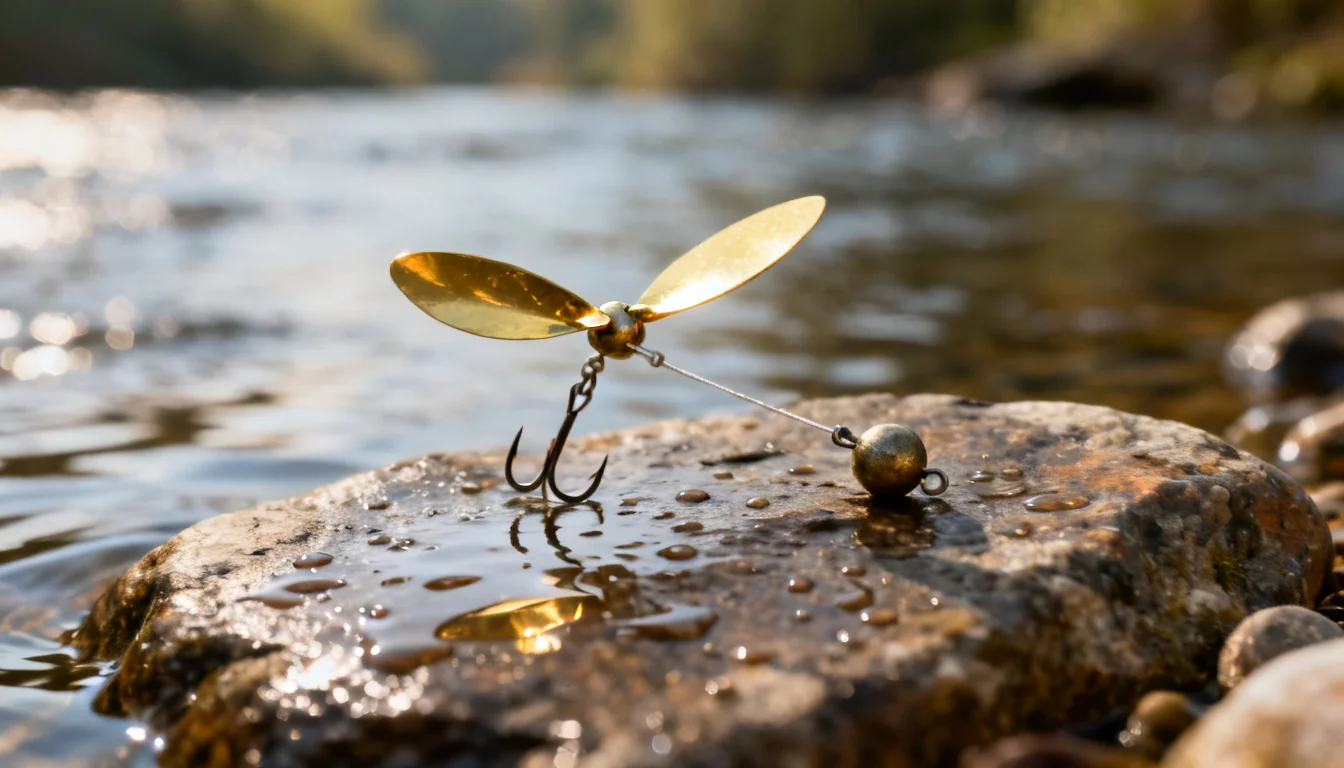
- Inline spinners in gold or silver, 1/8 to 1/4 oz — the universal rainbow trout lures; work them slow enough to feel the blade thumping
- Small spoons (1/8-1/4 oz) — great for covering water and casting distance
- Small crankbaits and minnow imitations — the go-to for lake rainbows chasing baitfish
- Tiny jigs (1/32-1/16 oz) in white, pink, or chartreuse — winter and deep-water specialists
Live and natural bait:
- Nightcrawlers and red worms — the #1 stocked-trout bait; hook once through the worm and let it drift naturally
- Dough baits (PowerBait-style) — designed for stocked fish; fish them on a small hook so the bait floats off the bottom
- Salmon eggs and egg patterns — irresistible near spawning areas and in Great Lakes tributaries during steelhead runs
Match the size of your offering to the forage: during a heavy mayfly hatch, a size 16 dry fly outproduces everything else on the water; when the trout are chasing shiners, a silver spoon or minnow imitation wins.
Fly Fishing for Rainbow Trout: The Classic Method
Fly fishing for rainbow trout is about presentation: getting a bug-sized imitation to drift naturally in the current, exactly where trout are feeding.
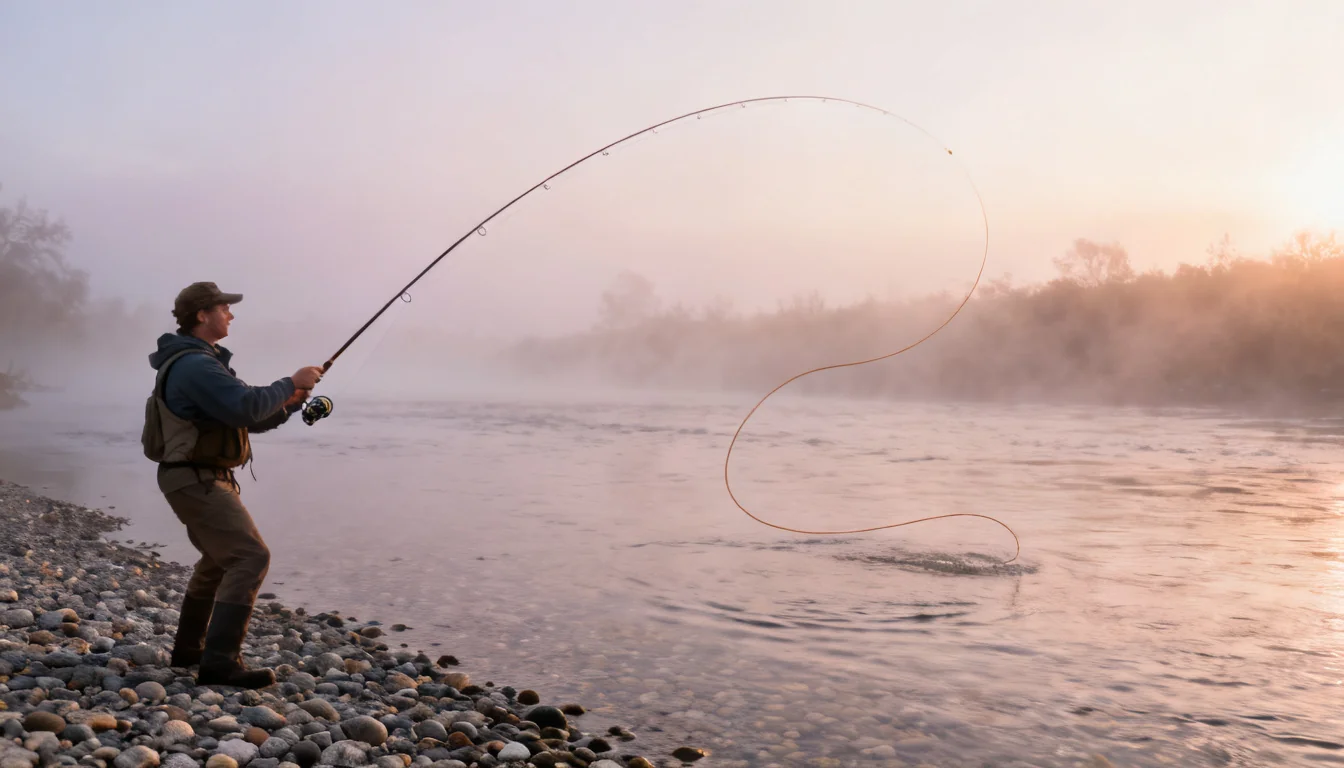
Dry fly fishing: Watch for rising fish first, then cast 3-5 feet above the rise. Land the fly softly — let the leader settle so the fly touches down like a leaf, not slapping the water with the line.
Keep slack out of the line so you see the take, and set the hook with a short strip or lift, not a trout-slapping strike. Evening hatches are the classic window: when mayflies start coming off, big fish lose their caution.
Nymphing (the year-round workhorse): Trout eat underwater insects 80% of the time, so nymphs catch fish when dries won't. Rig a nymph 12-18 inches below a small indicator (or a dry fly as a "hopper-dropper"), add a split shot if needed to reach the bottom, and cast upstream, letting the rig drift through the feeding lane at the speed of the current.
Watch the indicator — the strike is often a subtle stop, not a jerk.
Streamer fishing for big trout: When you want a trophy, swing or strip a Woolly Bugger through deep runs and pool tails. Big rainbows eat meat, and a streamer moved with a strip-pause-strip retrieve triggers reaction strikes.
Spin Fishing & Bait Tactics for Rainbow Trout
You can catch rainbows on spinning gear anywhere they swim — often with more versatility than a fly rod.
Lure fishing: Cast upstream and across at a 45-degree angle, then retrieve at a speed that keeps your spinner blade turning just fast enough to thump. In current, let the lure swing naturally with the flow — trout hit spinners that look like a helpless minnow.
In lakes, cast along weed edges, points, and inlets, and count the lure down to find the depth the trout are holding.
Bait fishing (the stocked-pond special): Rig a small hook with a worm or dough bait, add a tiny split shot 12-18 inches up the line, and suspend it under a small float at the depth you're marking fish.
Set the float so the bait just ticks the bottom — stocked trout hug the cooler bottom in warm months and roam shallower in spring and fall. On the strike, wait a second for the trout to take the bait, then lift the rod gently; hard hooksets snap light line or pull small hooks free.
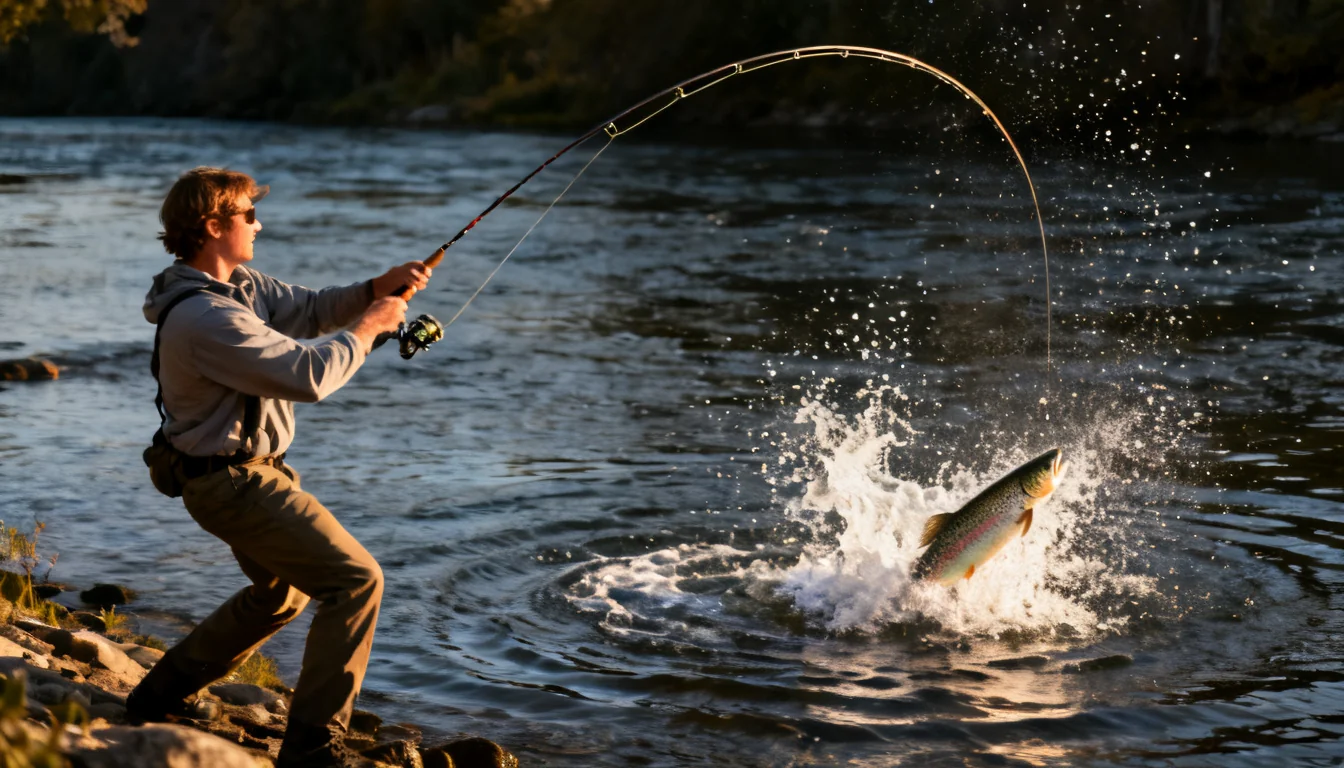
The fight: Keep your rod tip up and let the reel drag do the work. Rainbows jump — when one clears the water, drop your rod tip to bow to it. If you hold the rod high instead, the line goes slack the instant the fish is airborne, and a slack line lets the trout throw the hook.
Land your fish quickly with a net or by hand (wet your hands first to protect the slime coat), and practice catch-and-release on anything over 16 inches to keep the big breeders in the water.
Where to Find Rainbow Trout
Finding trout is 80% of catching them. Rainbows hold in places that deliver three things: cool water, oxygen, and food.
In rivers and streams:
- Riffles — shallow, broken water where oxygen is high and insects wash downstream
- Runs — smooth, deeper lanes between riffles; the trout highway
- Pocket water — the soft spots behind boulders and logs where fish rest out of the main current
- Heads of pools — where a run dumps into a pool, food collects and big fish wait
- Undercut banks — shaded, protected lies with current and cover
A river is read in layers: fish the near water first, work upstream quietly, and hit every piece of cover with a few casts before moving on. For the full system, see our guide on how to fish a river.
In lakes and reservoirs:
- Stream inlets — cold, oxygenated water and a constant food supply
- Springs and cold seeps — the cool spots rainbows seek in summer
- Points and drop-offs — travel lanes between shallow feeding and deep holding water
- The thermocline — in deep lakes, the cool, oxygen-rich band where trout suspend; find it with a fish finder and fish that depth
Stocked ponds are simpler: rainbows cruise the whole pond in the first weeks after stocking, then settle near the deepest cover and the inlet. Our how to fish a lake guide breaks down lake structure in detail.
Rainbow Trout Fishing Tips: Common Mistakes to Avoid
Most failed trout trips come down to a handful of fixable habits. Check yourself against these on every outing:
1. Fishing too heavy — thick line, big lures, and heavy splits spook trout. Go lighter than you think: 4-6 lb line and small presentations.
2. Wading in and spooking the pool — trout see you before you see them. Fish from the bank or wade slowly, and approach upstream so your wake and shadow stay behind the fish.
3. Retrieving too fast — most trout strikes come on slow, natural presentations. When in doubt, slow down.
4. Fishing the wrong depth — a fly or lure 2 feet off the bottom catches nothing when the trout are hugging the bottom. Keep adjusting until you mark or hook fish.
5. Ignoring the hatch — if insects are coming off the water, trout want the imitation, not the spinner. Match the size and color of what's flying.
6. Missing subtle strikes — trout bites are often a slight stop, a tick, or a twitch of the indicator. Set on anything that looks different from the current's natural drift.
How to Catch Rainbow Trout FAQ
What is the best time of day to catch rainbow trout?
Early morning and late evening are the most productive windows — roughly the first two hours after sunrise and the last two before dark. A falling barometer ahead of a storm can stretch the bite across most of the day, while bright, high-pressure days usually confine it to dawn and dusk.
Follow the sun, too: in summer, fish the edges of the day; in spring and fall, midday can be just as good, especially when the water is slightly stained.
Do I need a fly rod to catch rainbow trout?
No. Spinning gear catches plenty of rainbows — often more, in stocked ponds and lakes. A light spinning rod with 4-6 lb line and small spinners, spoons, or bait catches trout everywhere. Choose fly fishing when you want to match insect hatches on rivers and streams.
What size line should I use for trout fishing?
For most trout fishing, 4-6 lb monofilament or fluorocarbon is the sweet spot — strong enough for a 20-inch fish, light enough to get natural drifts. Drop to 2-4 lb in clear, heavily fished water; go to 6 lb when fishing around rocks and snags.
How deep do rainbow trout hold in a lake?
In summer, lake trout often hold near the thermocline — the cool, oxygen-rich band usually 10-25 feet down in northern lakes. In spring and fall they roam shallower, near inlets and points. Keep adjusting depth until you find them.
Can you catch stocked rainbow trout with lures?
Yes — spinners, spoons, and small jigs all take stocked rainbows, especially in the first weeks after stocking while the fish are still cruising and feeding aggressively.
Which presentation wins comes down to conditions: when trout are spread out chasing baitfish, cover water with a spinner or spoon; when they've settled into deep cover or the bite turns picky, fish a worm or dough bait under a float, slow and near the bottom. The simple rule: lures find the active fish, bait catches the cautious ones.
Do rainbow trout bite in winter?
Yes, but slowly. Trout metabolism drops in cold water, so fish tiny offerings — 1/32 oz jigs, midge nymphs, or small bait — right on the bottom and work them with long pauses. Many stocked lakes and tailwaters produce excellent winter trout fishing.
The Bottom Line
How to catch rainbow trout is not a secret — it's timing, light tackle, matching the food, and fishing where trout live. Start with the basics: fish in spring or fall during low-light hours, use 4-6 lb line with small spinners or a size 14-18 fly, and target riffles, runs, and inlets.
Once you land your first fish, you'll understand why the rainbow is North America's favorite cold-water fish. For the full picture on the species itself, read our rainbow trout species guide.