Fishing Lure Action: Master the Jiggle & Pause
You know the feeling: you've cast to a textbook spot, worked the retrieve a dozen different ways, and come up empty — while the angler across the cove lands fish after fish. Most of the time, the difference is not the lure, the line, or the cast. It's fishing lure action: the way you make the bait move.
One of the most effective actions most American anglers have never tried is the jiggle & pause — a gentle lift-and-settle motion that Chinese anglers have used for centuries, where it's known as 逗钓 (dòu diào), literally "tease fishing."
This guide breaks down why it works, the exact cadences to use, and how to apply it with gear you already own — whether that's soft plastics for bass or a light jig in a panfish hole.
What Is the Jiggle Technique?
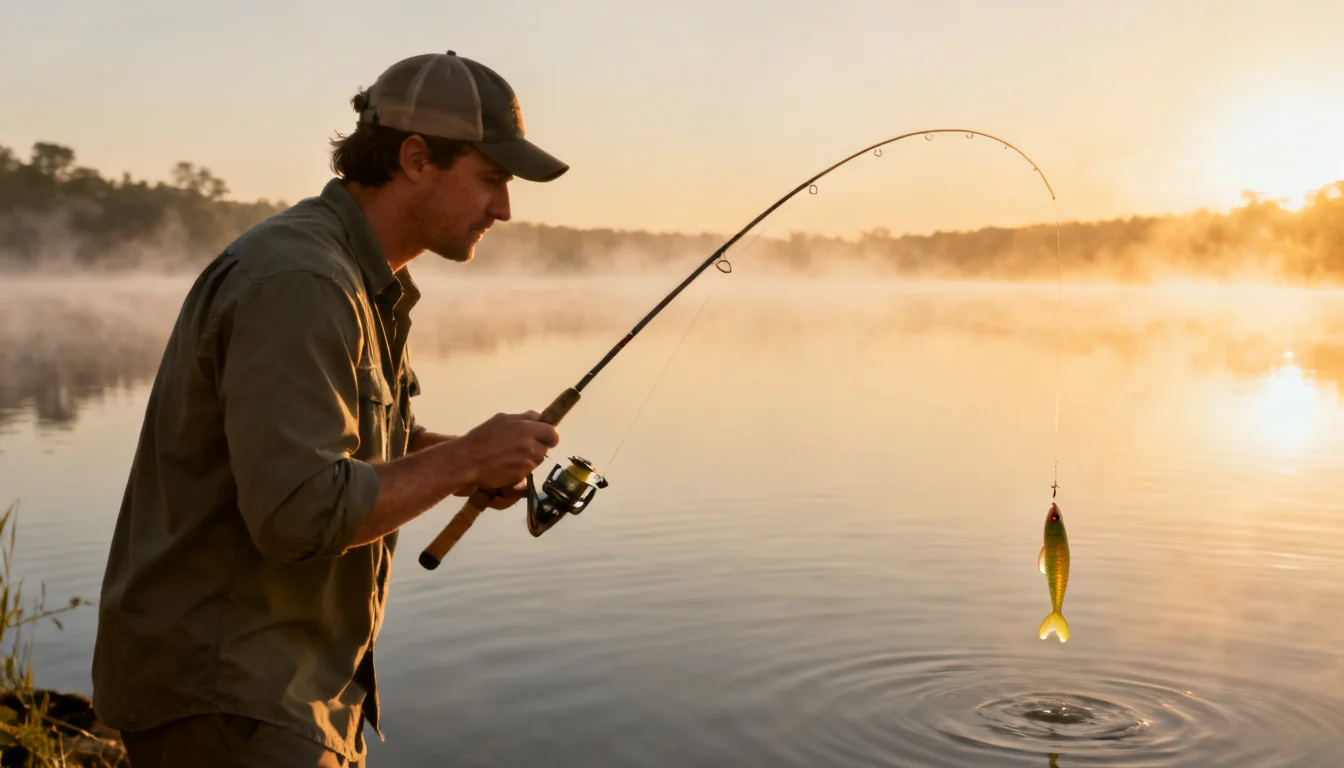
The jiggle technique is a presentation style built on short, gentle rod-tip lifts followed by a deliberate pause, letting the bait fall back into the strike zone on slack or semi-slack line. It is not a fast retrieve and not a hard jerk.
The entire point is to make the offering look alive but slightly vulnerable, like an injured or hesitant baitfish.
In traditional Chinese angling, 逗钓 is used with float rigs, on the bottom, and through the ice. The idea travels perfectly to lures: soft plastics, soft jerkbaits, grubs, and jig-and-pig combinations all respond to the same tease. It's the rare piece of fishing lure action that works on nearly every species, from panfish to bass.
Where a steady retrieve says "healthy, fast prey," the jiggle says "easy meal" — and that difference is what turns refusals into strikes.
Why Movement Is the Ultimate Strike Trigger
Fish read the world through movement. Their lateral line senses vibrations and pressure changes from yards away, and their brains are wired to separate two categories of motion: fleeing prey and wounded prey.
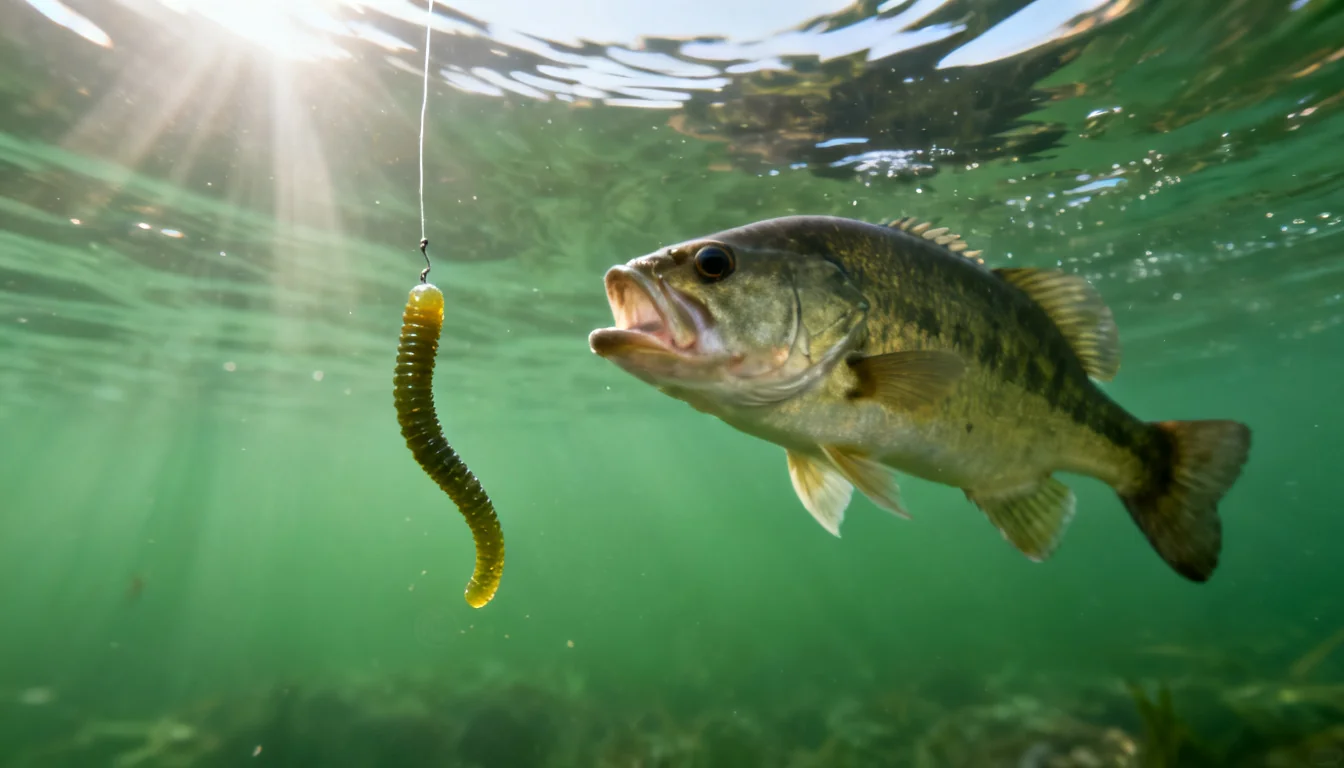
A baitfish darting away triggers a chase; a baitfish wobbling, dipping, and pausing triggers an attack — because predators know an injured or confused fish is the one they can actually catch.
That instinct is the engine behind the whole technique. A motionless lure reads as dead or suspicious, something to inspect but not commit to. A lure moving on a steady plane reads as healthy and fast — doable, but requiring commitment.
A lure that pulses, rises, hesitates, and falls again is the perfect strike trigger: it sits in the strike zone longer, looks like an easy target, and the sudden fall after a pause is a classic trigger moment. Many strikes come on the settle, not on the lift.
What You Need to Start
No special gear is required — this is a technique, not a tackle upgrade. Start with what you already have:
- Rod: 6'6" to 7' spinning or casting rod, medium to medium-heavy power with a fast action tip. The fast tip gives you clean, small twitches without dragging the whole rod.
- Line: 8-15 lb monofilament or fluorocarbon for bass and walleye; drop to 4-8 lb for crappie, bluegill, and perch. Fluorocarbon's low stretch and sink rate help the settle feel natural.
- Lures that shine: stick-style soft plastics (wacky or Texas rigged), soft jerkbaits, grubs and twister tails on light jigheads, and suspending jerkbaits. Suspending baits are the standouts here because they hold their depth during the pause instead of floating up or sinking out of the zone.
- Live-bait version: the same motion works with a minnow or worm under a float or on a drop-shot — lift the float gently, let it settle, repeat.
The only real requirement is a sensitive tip and light hands. If you can feel the bait touch bottom, you can work the jiggle.
How to Work a Lure With the Jiggle & Pause
Chinese ice anglers — who rely on this technique more than anyone — practice four distinct cadences. Each one is a tool; matching the cadence to the conditions is the skill.
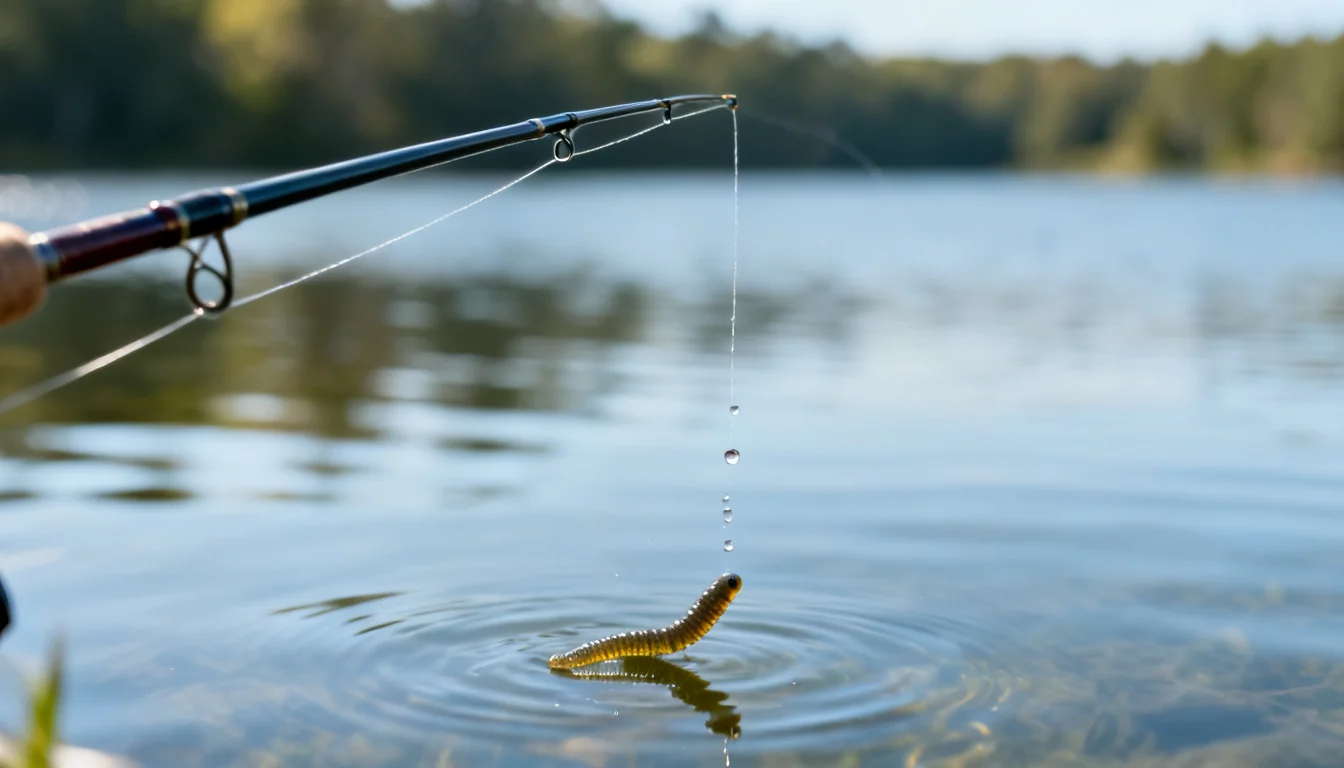
1. Lift and settle (the core move). Point the rod at the water and lift the tip 10-20 cm (about 4-8 inches) so the bait rises off the bottom or out of the cover. Hold it for 2-3 seconds. Then lower the rod tip slowly and let the bait fall on slack line. The fall is where most strikes happen — watch the line for the first twitch.
2. Tip twitch. Flick the rod tip in small, rapid pulses — like tapping water off the guides — so the bait shivers in place without moving far. This is the go-to when fish are inspecting but not committing. Keep it subtle; a 2-inch shiver beats a 12-inch jerk on a neutral fish.
3. Bottom drag. Let the bait rest on the bottom, then drag it a foot or two every 5-10 seconds, stirring up a puff of mud. It mimics a crawfish or baitfish grubbing along the bottom and is a killer presentation for bass, walleye, and catfish in cold water.
4. Dead stick. Do nothing. Hold the bait completely still for 30-60 seconds, then resume with a slow lift. Dead sticking sounds counterintuitive, but a motionless bait parked right in front of a curious fish is often what finally breaks its resolve — and after a long pause, even a tiny movement can trigger a reaction strike.
Cadence rule of thumb: the colder the water, the slower everything gets. In winter and early spring, stretch the pause to 5-10 seconds and keep lifts short and gentle.
In warm water, tighten the rhythm to 1-2 second pauses and faster lifts. When fish are active, the tip twitch and a snappier lift-settle work best; when they're sulking, drag and dead stick win.
When the Jiggle & Pause Works Best
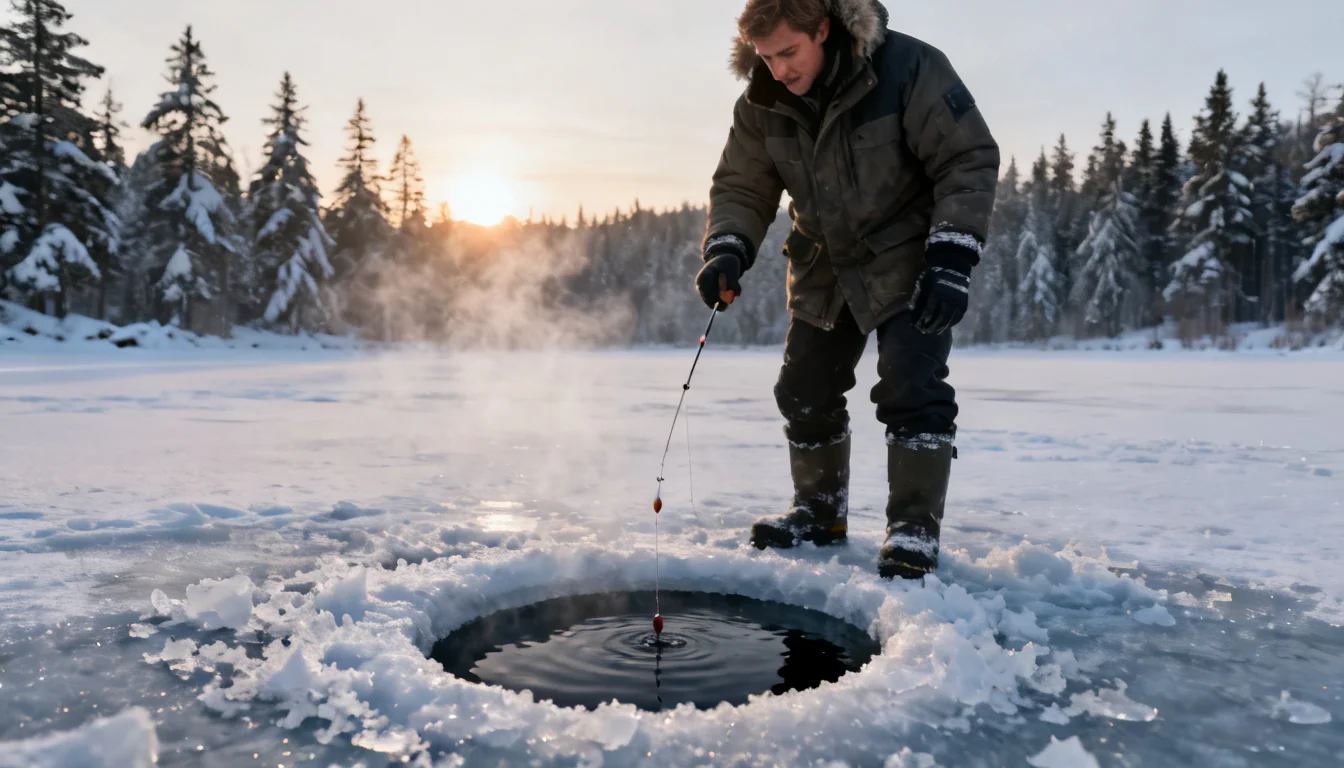
- Winter and early spring. Cold water slows fish metabolism, shrinks their strike zone, and makes them commit reluctantly. The jiggle is the single most effective presentation for turning those reluctant bites into hooked fish — it's the backbone of ice fishing across China, Europe, and North America.
- High-pressure, heavily fished waters. Fish that have seen every retrieve in the book still react to a bait acting injured. When a lake is getting pounded, slow down and tease.
- Finicky panfish. Crappie and bluegill respond to a slow lift-and-settle jig like almost nothing else — vertical jigging crappie over brush piles is built on exactly this motion.
- Bass on soft plastics. A wacky-rigged stick worm dead-sticked, then jiggled, is a proven cold-front and post-spawn pattern.
- Walleye and perch. A jig tipped with a minnow, lifted and settled slowly, out-produces steady jigging when the bite is light.
If you're new to the species side of this, the largemouth bass guide covers how to rig and present soft plastics, and the crappie guide details the vertical jigging setup this technique pairs with.
Jiggle & Pause vs. Twitching, Jigging, and Dead Sticking
Western anglers already use close cousins — the differences are in the amplitude and the pause.
| Technique | Motion | Pause | Best for |
|---|---|---|---|
| Jiggle & pause | Gentle lift-settle, 4-8 in | Long and deliberate (2-10 sec) | Cold water, pressured fish, light bites |
| Twitching | Sharp rod snaps on a jerkbait | Short, erratic | Active bass, reaction strikes |
| Vertical jigging | Hopping the bait off the bottom | Varies, often brief | Crappie, walleye, bass over structure |
| Dead sticking | No motion at all | Full stop, 30-60 sec | Stubborn fish, cold fronts |
The Chinese version stands out in two ways. First, the pause is a deliberate part of the presentation, not just the gap between jerks — the bait spends most of its time sitting or falling, which is exactly when hesitant fish decide to bite.
Second, the moves are softer: the goal is to imitate a slightly wounded baitfish, not to provoke a chase. When bass are keyed on fleeing bait, twitch hard; when they're neutral and watching, the jiggle & pause is the better tool.
Common Mistakes
- Jiggling too hard or too fast. The moment the action turns frantic, you've switched from "easy meal" to "flight response." If your lifts are jerky or your pause is under a second, slow down.
- Skipping the pause. The pause is half the technique. A constant jiggle is just a nervous retrieve — the settle is what seals the deal.
- Reeling instead of using rod tip. Reeling creates steady, horizontal motion. The jiggle needs vertical rod-tip work and slack-line falls; keep the reel mostly out of it.
- Moving the bait out of the strike zone. A lift that's too high yanks the bait past the fish's nose. Keep lifts short, and let the fall land back where the fish is.
- Quitting early. This is a slow technique by design. Five casts of lift-settle-pause will not out-fish one patient presentation worked through the zone properly. Give each cast a full minute before moving on.
- Setting the hook on the lift. Strikes usually come on the fall. If you set as you're lifting, you often pull the bait out of a fish that was just about to commit — wait for the line to load or the twitch, then set.
FAQ
Does jiggling your lure scare fish away?
Only if it's done harshly. A gentle, slow lift-and-settle mimics an injured baitfish and triggers the attack instinct. What spooks fish is fast, erratic, high-amplitude movement — the "fleeing panic" cue that makes a predator wait for a better angle. Keep the moves soft, keep the pauses long, and the jiggle reads as vulnerability, not alarm.
How long should you pause between jiggles?
Start with 2-3 seconds and scale up in cold water or on pressured fish — 5-10 second pauses are normal in winter. Watch what happens on the settle: if strikes come right as the bait falls, your pause length is working. If fish follow and lose interest, extend the pause or dead stick entirely.
What's the difference between jiggle, twitch, and jerk?
Amplitude and speed. A jerk is a hard snap that moves the bait a foot or more, used on jerkbaits to trigger chase reflexes. A twitch is a shorter, sharper rod snap with a quick pause — classic for suspending jerkbaits.
A jiggle is the softest of the three: a slow lift of only a few inches, a long pause, and a controlled fall. Think of them as a spectrum from provoke (jerk) to tease (jiggle).
Do suspending baits work best with the jiggle technique?
Yes. Suspending baits hold their depth through the pause, so the bait stays parked in the strike zone while you wait — a floating bait rises out of it, and a sinking bait falls to the bottom.
For bass, a suspending jerkbait worked with long pauses is one of the classic cold-water patterns. For soft plastics, the wacky rig already gives you a slow, tantalizing fall, which is why it pairs so well with this technique.
Does the jiggle technique work for ice fishing?
It's the core of ice fishing. Under the ice, fish are cold, sluggish, and rarely chase — so anglers lift the jig 4-8 inches, pause, and let it settle, repeating until a fish commits.
The same cadence works through open water in winter, which is one reason it belongs in every cold-season arsenal. Our winter fishing tips cover when and where to apply it through the season.
What kind of rod is best for jiggling lures?
A medium-power rod with a fast action tip — 6'6" to 7' — gives you the clean, small twitches this technique needs.
The fast tip lets you move just the bait without dragging the whole rod, and it loads quickly for the hookset when the strike comes on the fall. Ultralight rods work for panfish and work the technique beautifully; just keep the bait sizes matched.
The Bottom Line
Fishing lure action is the difference between presenting a bait and dragging one. The jiggle & pause, China's 逗钓, is one of the oldest and most effective actions in the sport: a soft lift, a patient pause, and a controlled fall that tells a fish it's catchable. It shines when other presentations fail: cold water, high pressure, and finicky panfish.
Next trip, give each cast a full minute of lift-settle-pause before you move on. That one change will teach you more about trigger strikes than any retrieve speed ever will.