Freshwater vs Saltwater Fishing: A Beginner's Honest Comparison
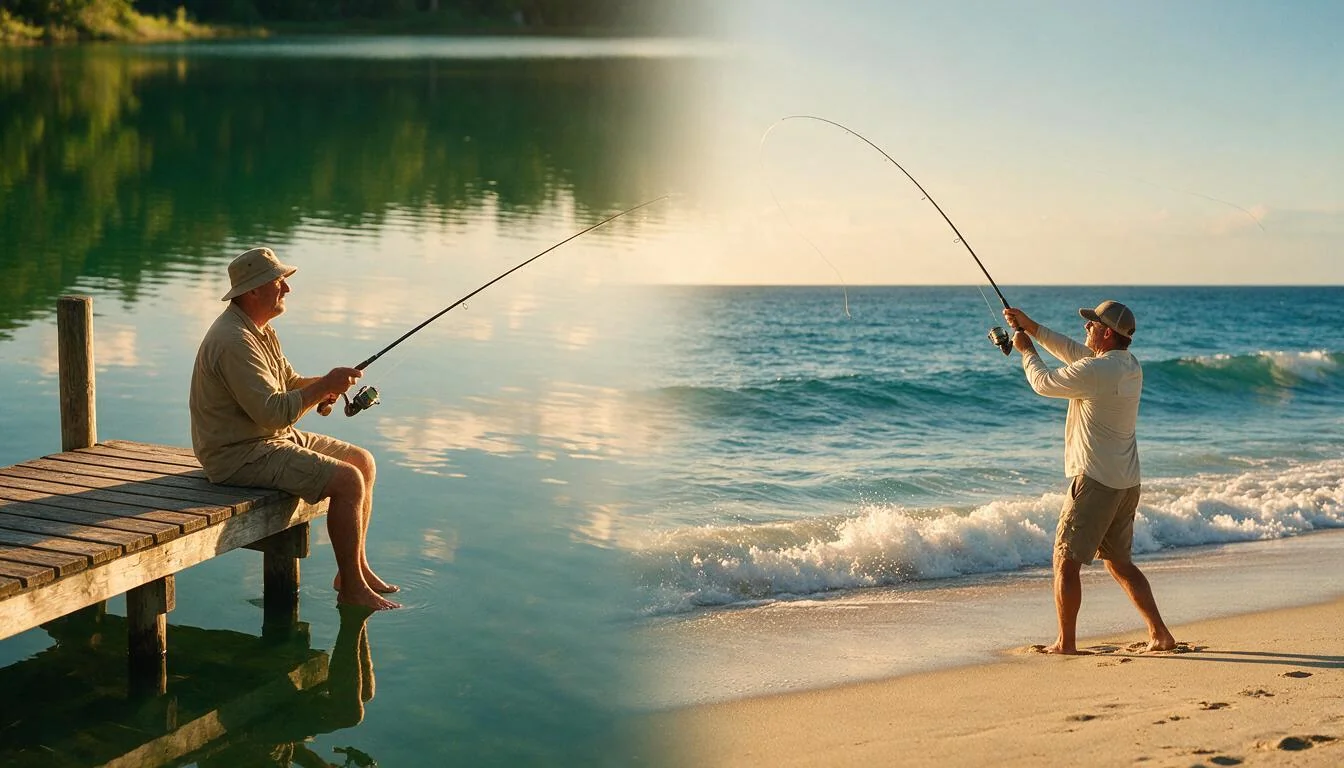
Every angler hits the same fork in the road eventually: freshwater vs saltwater fishing. Both put a rod in your hand and a hook in the water, but they behave like two different sports — different costs, different gear, different fish, different days on the water.
This guide compares them side by side so you can pick the right starting point, whether you have never fished before or you are a freshwater regular eyeing the ocean.
Freshwater vs Saltwater Fishing at a Glance
Before we get into the weeds, here is the fastest way to see what changes when you cross from lake to salt. The table below covers the basics every new angler asks about first.
| Freshwater | Saltwater | |
|---|---|---|
| Typical start-up cost | $50–100 | $150–300+ |
| Where you fish | Ponds, lakes, rivers, streams | Beaches, piers, jetties, bays, offshore grounds |
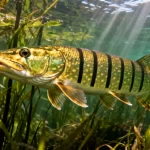
| Main species | Bass, trout, catfish, panfish, walleye, pike | Redfish, speckled trout, flounder, snook, snapper, tuna |
| Fight strength | Small to medium | Small to enormous |
| Tides and current | Rarely a factor | Central to everything |
| License | One state freshwater license | Extra saltwater license in most coastal states |
| Typical session | 1–3 hours | Half day to full day |
One caveat before you act on that table: "saltwater" is not a single world. Fishing a protected bay from a jetty has more in common with a calm freshwater lake than with trolling for tuna forty miles out.
That range — from easy shore fishing to serious offshore work — is exactly why saltwater can feel intimidating and rewarding at the same time.
What Freshwater Fishing Feels Like
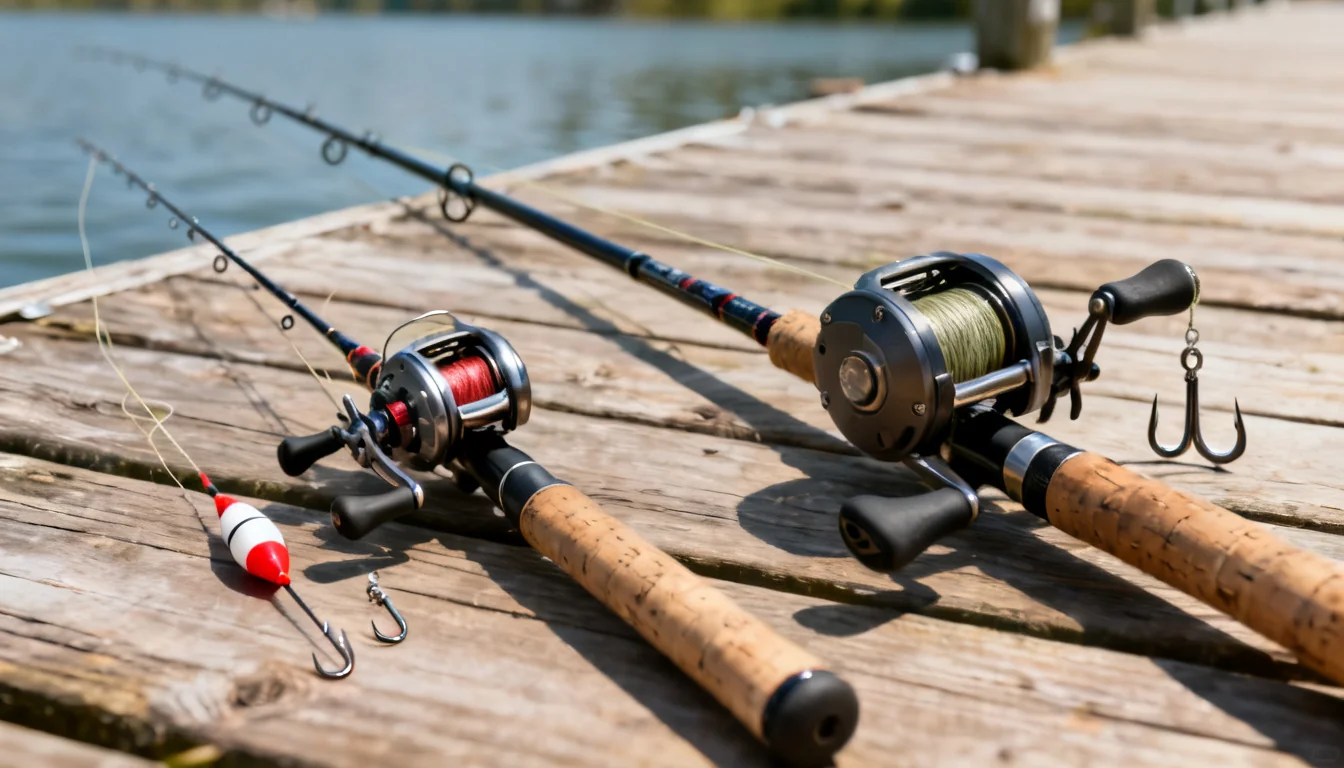
Freshwater is the default starting point for most Americans, and for good reason: it is everywhere. Ponds, lakes, rivers, and streams sit within a short drive of almost any town in the country, and most of them hold catchable fish.
You can fish from the bank, a dock, or a small boat, and a two-hour session after work is completely normal.
The action is fast and forgiving. Bluegill, crappie, and sunfish bite aggressively, so beginners actually catch things on their first trips.
Bass, catfish, and trout give you bigger targets and more technique — the jump from panfish to how to catch largemouth bass is the classic next step. North America holds hundreds of freshwater species, and the variety is built into the sport: one weekend you catch bream on a bobber, the next you are working a deep crankbait for walleye.
The learning environment is calm. No tides to read, no salt to rinse off, no waves to watch. Water temperature and seasonal patterns matter, but a beginner can ignore most of them and still catch fish. That forgiving curve is what makes freshwater the natural classroom for the sport.
The Appeal of Saltwater
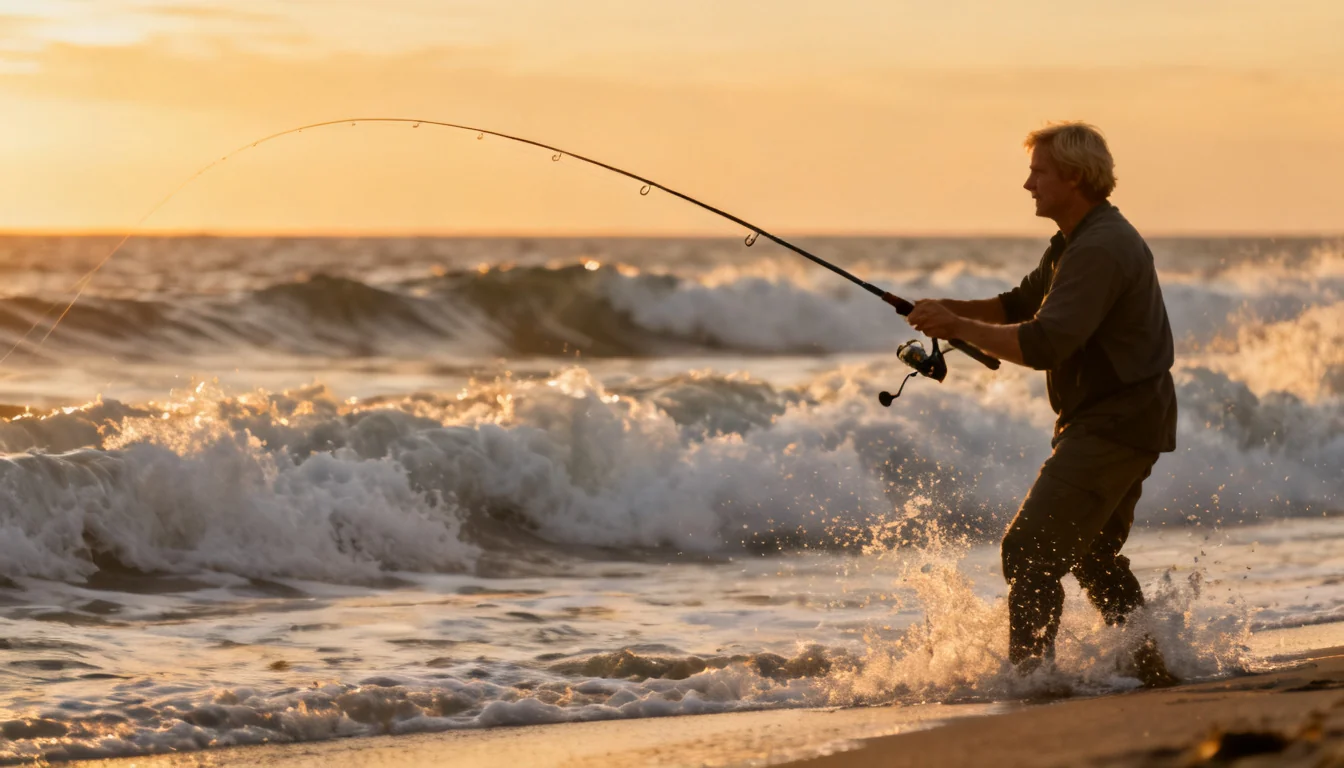
Saltwater fishing trades that calm for raw power. The fish are bigger, the fights are longer, and a strong drag that never gets tested in a farm pond gets tested in the first ten seconds on a redfish or a jack.
Inshore waters — bays, sounds, estuaries, and beaches — hold redfish, speckled trout, flounder, and snook. Step offshore and the targets grow to snapper and grouper around reefs, then tuna, mahi-mahi, and marlin in open water.
Tides run the show. Rising water pushes baitfish — and the predators chasing them — into creeks, along beaches, and up against jetties; falling water pulls them back out to deeper channels.
Saltwater anglers plan trips around tide tables the way freshwater anglers watch weather fronts. Wind and current add another layer: a three-knot drift changes your whole presentation.
You do not need a boat to start. Pier, surf, and jetty fishing are cheap, shore-based entry points where beginners learn the tide rhythm and cast into moving water.
What you trade is convenience: longer trips, sunscreen, and a hard rule about rinsing your gear after every session.
Why Freshwater Wins for Beginner Fishing
If you are choosing where to spend your first season, freshwater is the honest recommendation — not because saltwater is bad, but because beginner fishing works best when the odds are stacked in your favor. Freshwater delivers on three things a newcomer needs most: low cost, easy access, and fish that actually bite.
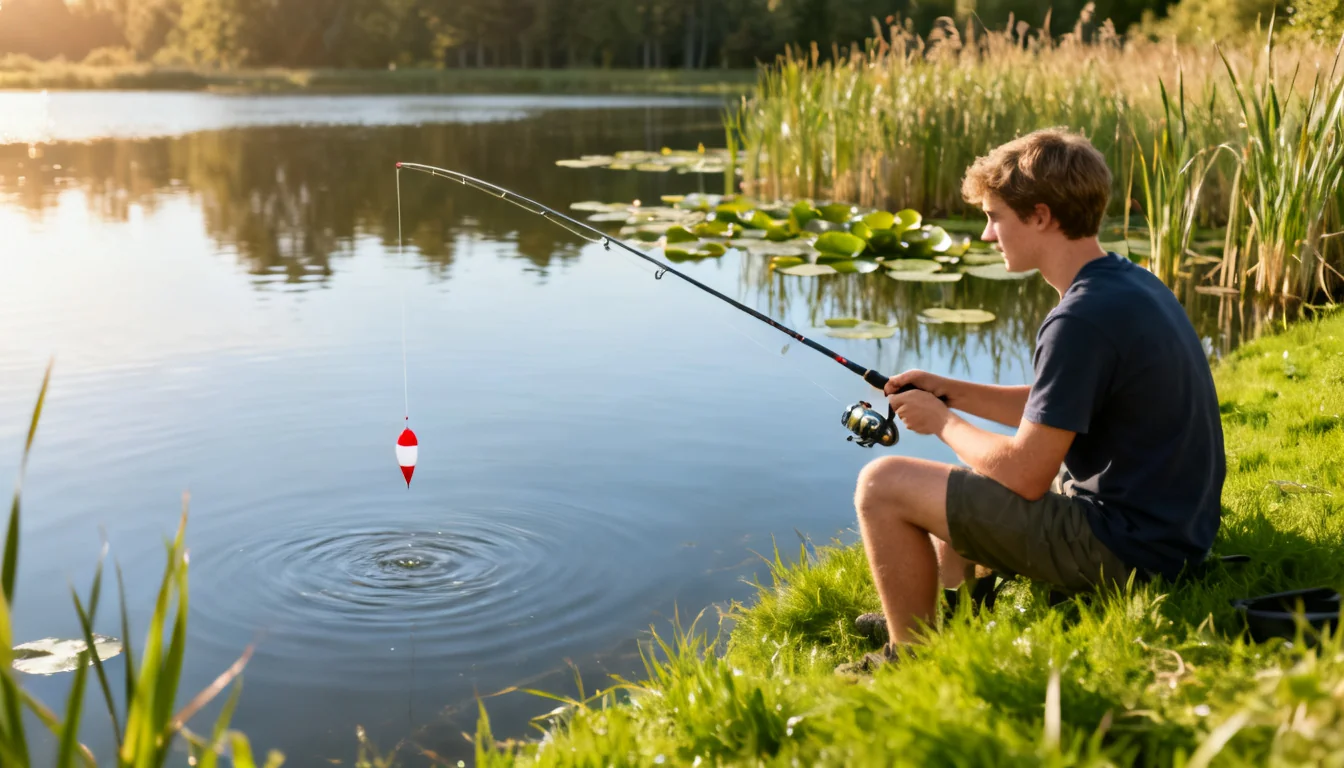
Start with the money. A complete freshwater setup — rod, reel, line, hooks, weights, bobbers, and bait — can cost under $100 total.
The equivalent saltwater setup usually starts around $150 and climbs fast once you factor in corrosion-resistant reels, heavier line, and longer rods. Add license costs: one state freshwater license versus a separate saltwater license or endorsement in most coastal states.
Then consider the fishing itself. A local pond stocked with bluegill gives a first-timer action within minutes, on purpose. The confidence from landing ten fish in an afternoon is what makes a beginner come back next weekend.
Start in salt, and you might spend half a day waiting for a tide window, fighting wind, and hoping the bait stays on the hook.
Budget advice: do not buy saltwater gear "just in case." Buy a sensible freshwater combo, learn casting, hooksets, and knot tying, and let the sport tell you whether you want more. If the ocean still pulls at you in a year, the skills and the money you saved will both transfer.
Saltwater Gear vs Freshwater Gear: Can You Share?
The short answer: a little, at the light end, with serious caveats. Saltwater gear and freshwater gear are built differently because the ocean attacks tackle.
Salt water is an electrolyte that accelerates corrosion — reels with exposed gears and cheap hardware can seize within a season of regular salt use. Saltwater-specific reels use sealed drags and corrosion-resistant materials for a reason.
Water itself is part of the problem. Monofilament and fluorocarbon lines absorb saltwater and weaken over time, so they need replacing more often. Braided line is the saltwater standard because it shrugs off salt — though ultraviolet light and abrasion will still kill it eventually. Most saltwater setups pair braid with a fluorocarbon leader.
Line capacity and rod power matter too. Saltwater fish run long and hard, so reels need bigger spools, and surf or offshore rods need the backbone to cast heavy weights and turn big fish. A light bass combo simply cannot do that job.
Here is the crossover rule of thumb: a medium freshwater spinning combo works for light inshore fishing — docks, canals, small bays, jetty ponds — if you rinse it with fresh water after every single trip. That rinse habit is non-negotiable.
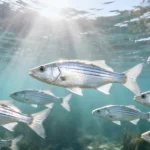
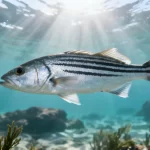
Do not take a freshwater setup surf casting or offshore; that is how reels die and fish get lost. Some species make the bridge easy: striped bass are anadromous, meaning the same species swims in ocean surf and in landlocked reservoirs.
The Freshwater-to-Saltwater Progression
Most anglers who end up fishing both worlds do not jump straight to the ocean. They move through stages, letting each level fund and teach the next.
Stage 1 — Pond panfish. Bluegill, crappie, and sunfish on light tackle teach you casting, hooksets, and patience. This is the cheapest stage and the most forgiving; our bluegill species guide covers the whole setup.
Stage 2 — Lake bass. Once panfish are easy, bass add structure reading, lure selection, and bigger fights. This stage is where most anglers spend years, and it builds the casting accuracy and drag management saltwater will demand later.
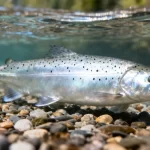
Stage 3 — Streams and trout. If you want to sharpen finesse, moving water and trout teach drift, current reading, and light presentations — skills that map directly onto inshore saltwater. A dedicated trout fishing guide is a good place to start.
Stage 4 — Inshore saltwater. With fundamentals in hand, pick a pier, jetty, or beach and learn tides on your own schedule. A dedicated inshore rod and reel is the first saltwater purchase most people make, and it is worth doing right: sealed drag, corrosion-resistant body, braid spooled on.
Stage 5 — Offshore. Bigger boat, bigger water, bigger fish. Most newcomers join a charter or split a boat share before committing to offshore gear, which is the right call — the price of admission is the highest in fishing, and one trip tells you whether you actually love it.
Each stage has its own budget. Freshwater stages run $100–300 total for years of fishing; inshore adds a dedicated combo; offshore is usually a trip-based expense until you know what you want.
FAQ
What freshwater fish are easiest to catch for a beginner?
Bluegill, crappie, and other sunfish are the easiest first targets. They are abundant, aggressive, and small enough that light line and small hooks handle them easily. A simple bobber-and-worm rig in any pond with visible cover usually produces within an hour — exactly the early success that keeps new anglers coming back.
Is saltwater fishing more expensive than freshwater fishing?
Generally, yes. Saltwater gear costs more up front because it must resist corrosion. Line degrades faster, trips to the coast add up, and offshore trips mean charter or boat expenses. That said, shore-based fishing from a pier or jetty stays affordable — the big jumps come with boats.
Do I need a separate license for saltwater fishing?
In most coastal states, yes — a separate saltwater license or an added endorsement on top of your freshwater license. A few states let one license cover both. Since rules vary state by state, check your state wildlife agency's site before your first saltwater trip. Fishing without the right license carries fines even when the fishing itself was legal.
What is the difference between inshore and offshore fishing?
Inshore fishing happens in protected or near-shore waters: bays, sounds, estuaries, beaches, piers, and jetties, usually within a few miles of land. It works from shore or a small boat and targets redfish, speckled trout, flounder, and snook.
Offshore fishing means open ocean — deeper water reached by a larger boat, targeting reef fish like snapper and grouper, or pelagics like tuna, mahi-mahi, and marlin far from land. Offshore costs and complexity scale up quickly.
Why does saltwater rust fishing gear faster?
Salt water is a strong electrolyte, so it speeds up the electrochemical reaction we call corrosion on any exposed metal — reel gears, bail arms, rod guides, and hooks all suffer.
Monofilament and fluorocarbon also absorb saltwater and lose strength, which is why braid plus a fluorocarbon leader is the saltwater standard. A thorough fresh-water rinse and dry after every trip is the single most effective way to slow all of it down.
The Bottom Line
Freshwater vs saltwater fishing comes down to a simple trade: freshwater is cheaper, closer, and friendlier to beginners, while saltwater offers bigger fish, stronger fights, and a steeper learning curve.
Start with freshwater, master the fundamentals, and graduate to the ocean when the itch gets loud — your skills, your gear habits, and your wallet will all thank you.
If you want a concrete first step, our guide on how to catch rainbow trout is a gentle entry into moving water. Whichever you choose, the goal is the same: more time with a line in the water.